
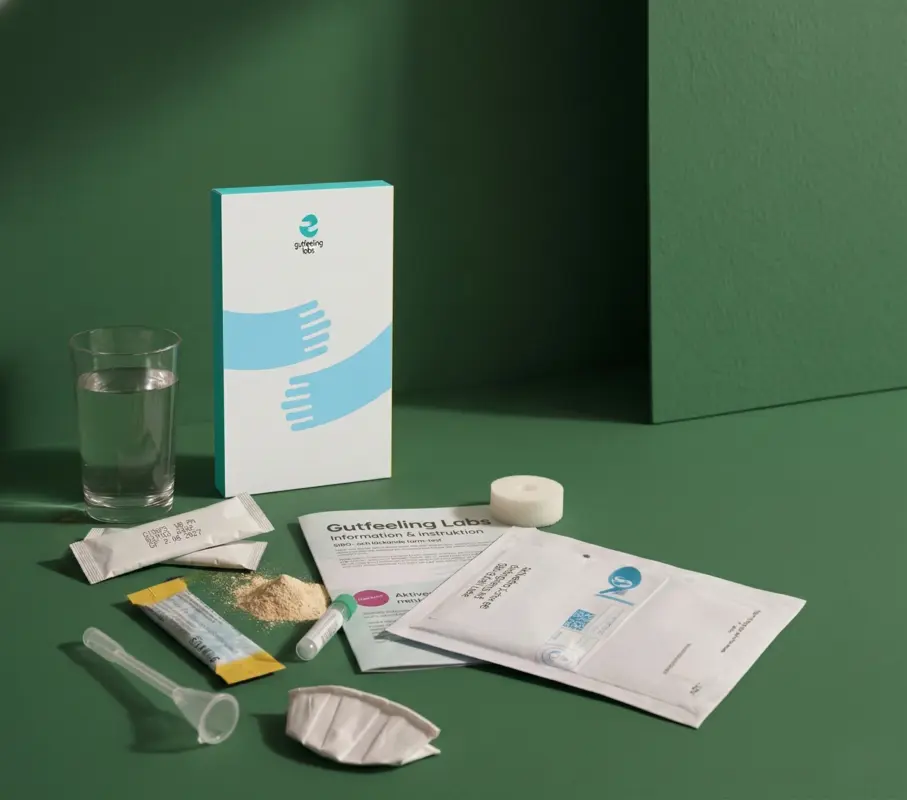



Is Your Gut Behind These Health Issues? Get Tested
Why Test Your Gut
with Us?

Find The Root Cause
Uncover hidden gut imbalances behind bloating, fatigue, brain fog, and food reactions with data-backed insights.

One Test. Multiple Insights.
Our patent-pending urine test detects leaky gut and bacterial overgrowth in the small intestine ( SIBO ) – two common causes of health issues.

Most Reliable Gut Test
This advanced test analyzes lactulose and bacterial metabolites via high-sensitivity mass spectrometry to evaluate intestinal permeability and identify SIBO

Results-Based Guidance
If your results exceed reference levels, you’ll receive clear one-on-one guidance to rebalance your gut and support long-term health through practical lifestyle changes.

*Feedback from customers after personalised recommendations based on their test.
*Results from a 14-day study of 88 healthy Gut Feeling members.
*Results from an 8-week study of 33 healthy participants.
Following advice and recommendations based on your gut test
Certification in progress meet global standards
Tested using High-sensitivity mass spectrometry
100% Data Security & Privacy
Recommendations based on the individual test results
SIBO doesn't stay in your gut. It spreads its reach.
A 2024 study in Biomedicines mapped SIBO's links to 12 disease groups across the
entire body. Explore each one below.
Gastrointestinal Disorders
51.7%
of IBS patients also test positive for SIBO — the most well-documented group
SIBO and gut disorders share a bidirectional relationship — each worsening the other. In Crohn’s disease, SIBO prevalence reaches up to 88%. Rifaximin therapy that eradicates SIBO has been shown to significantly reduce IBS and IBD symptoms.
Linked conditions
- Irritable Bowel Syndrome (IBS)
- Crohn's Disease
- Ulcerative Colitis
- Celiac Disease
- Non-Alcoholic Fatty Liver Disease
- Liver Cirrhosis
- Pancreatitis
Autoimmune Disease
10×
higher SIBO prevalence in systemic sclerosis patients versus healthy controls
Systemic sclerosis (scleroderma) impairs intestinal motility and delays gut transit — creating ideal conditions for bacterial overgrowth. SIBO affects nearly half of all SSc patients. Fecal calprotectin ≥275 µg/g is a reliable screening marker.
Linked conditions
- Systemic Sclerosis (Scleroderma)
Cardiovascular Diseases
2.1×
association between SIBO and subclinical atheromatous plaques (2022 clinical study)
Reduced cardiac output causes intestinal ischemia, allowing bacteria to enter the bloodstream and trigger inflammation. SIBO is also linked to vitamin K2 deficiency — a key driver of atherosclerotic plaque formation and cardiovascular risk.
Linked conditions
- Heart Failure
- Deep Vein Thrombosis
- Coronary Artery Disease
- Subclinical Atherosclerosis
Metabolic Diseases
78.9%
of hyperlipidemia patients tested positive for SIBO in clinical studies
SIBO is significantly more prevalent in both type 1 and type 2 diabetes, worsening glycemic control. Obesity patients face 2–3× higher SIBO risk. SIBO can trigger hyperlipidemia through disruption of enterohepatic bile acid circulation.
Linked conditions
- Type 1 Diabetes
- Type 2 Diabetes
- Gestational Diabetes
- Hyperlipidemia
- Obesity
Endocrine Disorders
50%+
of hypothyroidism patients are also found to have SIBO
Hypothyroidism slows intestinal motility, creating ideal conditions for bacterial overgrowth. Bacterial antigens may trigger Hashimoto’s and Graves’ disease via immune dysregulation. Levothyroxine use is a key independent predictor of SIBO development.
Linked conditions
- Hyperthyroidism
- Hashimoto's Disease
- Graves-Basedow Disease
Nephrological Disorders
33%
SIBO incidence confirmed in chronic kidney disease compared to healthy controls
Renal failure disrupts gut microbiome balance, promoting bacterial overgrowth. Uremic toxins produced by intestinal bacteria impair kidney tubule function. Increased gut permeability from SIBO allows toxins direct access to the bloodstream and kidneys.
Linked conditions
- Chronic Kidney Injury
- Acute Kidney Injury
- IgA Nephropathy
Dermatological Diseases
13×
more likely to have SIBO if you have rosacea — and treating SIBO cleared skin in 71% of cases
SIBO increases gut permeability, allowing pro-inflammatory cytokines to reach the skin via the gut–skin axis. In one landmark study, SIBO eradication led to complete rosacea clearance — sustained for 9 months or more after treatment.
Linked conditions
- Acne Rosacea
- Psoriasis
Neurological Diseases
~50%
of both Alzheimer’s and Parkinson’s patients test positive for SIBO
Via the gut–brain axis, SIBO produces toxic metabolites that reach the brain, triggering neuroinflammation. In Parkinson’s, SIBO impairs absorption of levodopa — the core treatment drug — and may independently worsen motor function.
Linked conditions
- Alzheimer's Disease
- Parkinson's Disease
- Multiple Sclerosis
Developmental Disorders
31%
of autistic children test positive for SIBO — and SIBO worsens autism symptom scores
Children with autism and SIBO show significantly worse developmental scores than SIBO-negative autistic children. Treating SIBO — or improving gut flora through diet — has shown promise in alleviating gastrointestinal symptoms in ASD.
Linked conditions
- Autism Spectrum Disorder (ASD)
Mental Disorders
↓34%
SIBO disrupts tryptophan metabolism — directly reducing serotonin (the ”happiness hormone”) availability
SIBO patients show higher neuroticism, elevated anxiety, and lower extroversion than healthy controls. Rifaximin treatment improved mood disorders alongside gut symptoms in clinical trials, highlighting the direct gut–brain connection.
Linked conditions
- Depression
- Anxiety
- Chronic Stress
Genetic Diseases
>50%
SIBO prevalence in cystic fibrosis patients due to CFTR gene mutation effects on gut motility
In cystic fibrosis, a CFTR gene mutation causes abnormal gut mucus, reducing motility and enabling overgrowth. In Familial Mediterranean Fever, SIBO reduces colchicine absorption, making the disease harder to manage and increasing flare severity.
Linked conditions
- Cystic Fibrosis
- Familial Mediterranean Fever
Gastrointestinal Cancers
↑2×
TLR2 & TLR4 immune receptor expression in SIBO-positive cancer patients — may actively promote progression
Post-operative colorectal and gastric cancer patients are significantly more likely to develop SIBO. In hepatocellular carcinoma, elevated TLR2 and TLR4 expression in SIBO-positive patients suggests SIBO may drive tumour development rather than merely co-exist with it.
Linked conditions
- Colorectal Cancer
- Pancreatic Cancer
- Hepatocellular Carcinoma
- Cholangiocarcinoma
- Esophagogastric Cancer
- Gastric Cancer
SV-Trusted Journeys to
Better Gut Health

Easy testing process
at-home
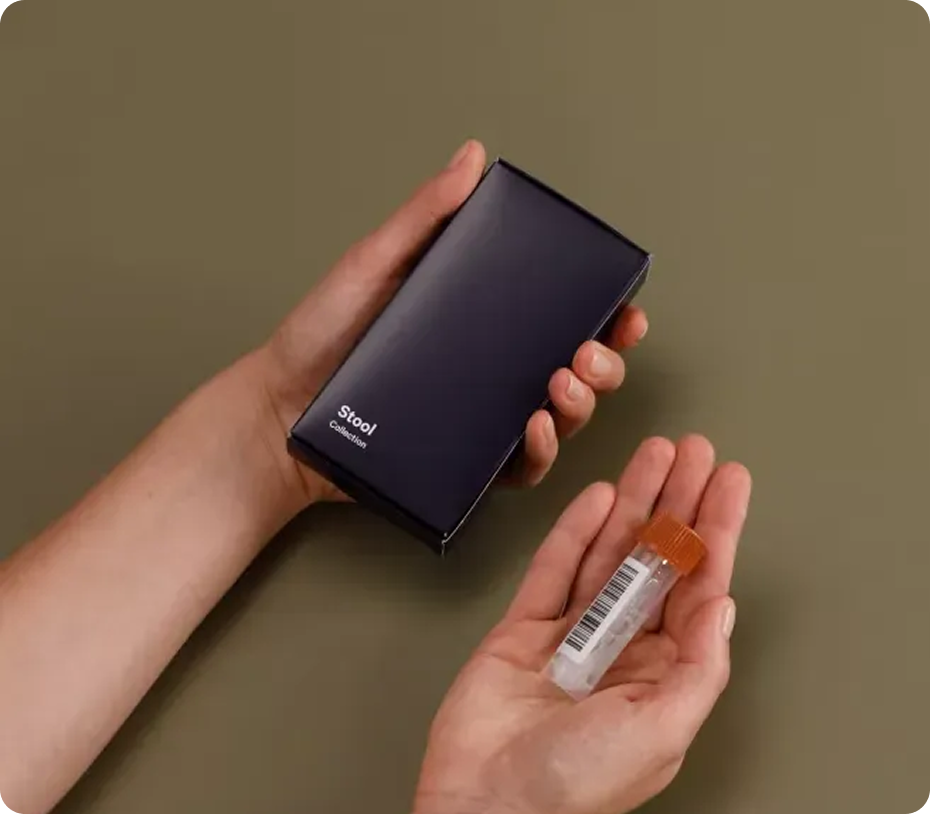
01
Register your kit
Collect a urine sample 1.5 hours after drinking the solution and ship your sample to our laboratory
02
Perform your test
The test starts with a drink containing lactulose, glucose, and curcumin, with dosage adjusted by body weight if needed.
03
Collect & ship your sample
Collect a urine sample 1.5 hours after drinking the solution and ship your sample to our laboratory
04
Results & Tailored Guidance
Receive results within 2–10 days, along with personalized gut health insights and actionable recommendations.
A Complete Look Into Your Gut
Discover how your unique microbiome affects your health. Get an expert analysis of key findings plus a personalized coaching session to help you manage and heal microbiome-related conditions from within.
How the Science Works
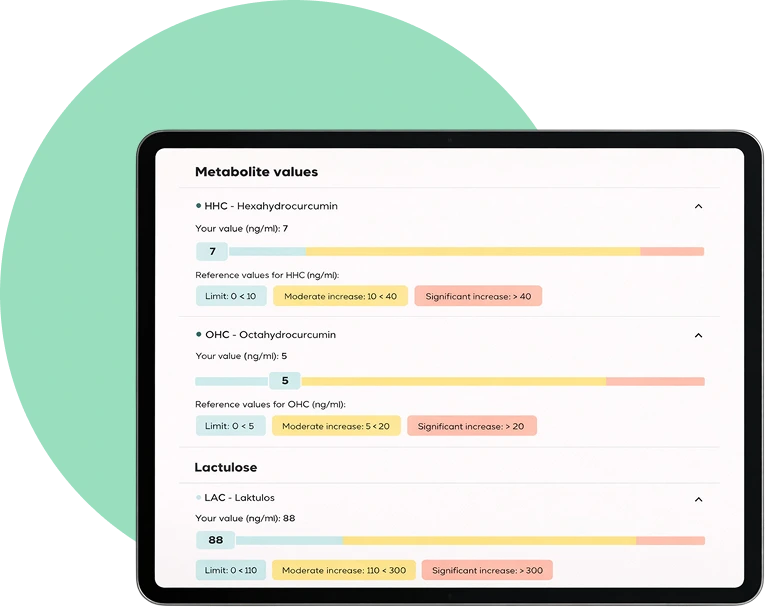
Our test is based on three well-established principles. Measuring these bio-markers together provides a reliable view of intestinal permeability and bacterial presence in the small intestine.
Hexahydrocurcumin
A balanced gut microbiome supports digestion, energy, mood, immunity, and brain health.
Lactulose
A healthy gut barrier supports immune balance and protects long-term brain health.
Trimethylamine N-Oxide
A healthy level associated with a lower risk of major cardiovascular events like heart attack and stroke

How Our Test Compares
| Parameter | Gutfeeling Labs | Endoscopy | Breath Test | Stool Test |
|---|---|---|---|---|
| Technology | Mass Spectrometry | Bacterial Growth | Biochemical Analysis | Microscopy, DNA Analysis |
| Non-Invasive | ||||
| At-Home Collection | ||||
| Root Cause Analysis | ||||
| Number of Samples | 1 | |||
| Expert Consultation | 10 mins (Paid) | Extra Cost | ||
| Cost | €165 | €900-€1200 | €250–€600 | €200–€500 |
The
Science of
TMAO
TMAO is produced when gut bacteria break down foods like red meat and eggs and it may be quietly increasing your risk of heart disease.Lorem ipsum dolor sit amet, consectetur adipiscing elit. Ut elit tellus, luctus nec ullamcorper mattis, pulvinar dapibus leo.
Higher all-cause mortality risk with elevated TMAO levels
of heart disease risk goes undetected by standard cholesterol panels
Silent Cardiac Risk
Elevated TMAO promotes atherosclerosis, clot formation, and thrombosis – increasing the risk of heart attack and stroke.
Why Testing TMAO Changes Everything?
- TMAO is modifiable, unlike genetic risk factors.
- Reflects active gut microbiome function.
- A simple blood test can reveal hidden cardiovascular risk missed by standard cholesterol tests.
- Offers insight into the gut–heart connection.
Beyond Cholesterol
TMAO disrupts reverse cholesterol transport, causing lipid buildup in vessel walls even when LDL appears normal.
The Gut–Kidney Link
Gut Bacteria Make It
Gut microbes break down choline and L-carnitine from red meat, eggs and fish, producing TMA, which the liver converts into TMAO.
Driven by science
Meet the brilliant minds behind Gutfeeling Labs
Our advisory board includes Lund University experts with 5,400+ citations, and patented research.

At GutFeeling Labs, we set out to change how gut health is understood. Too many people struggle with persistent symptoms without clear answers. By combining advanced analytical science with practical insights, our goal is to replace uncertainty with clarity—and empower better health decisions.

Dr. Hans Fischer
CMO of Gutfeeling Labs & Associate Professor Of Immunology & Microbiology at Lund University
I’ve seen firsthand how frustrating it can be to search for answers to ongoing gut issues. GutFeeling Labs was created to bridge the gap between complex science and real-life health decisions—offering clarity, accuracy, and guidance you can rely on.

Dr. Walter Fischer
CEO of Gutfeeling Labs & NeuroSurgeon & Associate Professor Of Neuroscience at Lund University
SV-Introducing
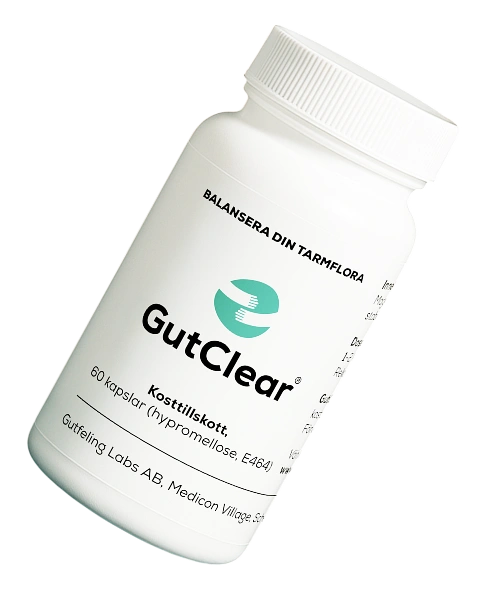
GutClear®
SV-Clinically designed to rebalance your Gut

SV-Plant-based, science-backed formula
SV-Supports smooth digestion and gut movement
SV-Supports gut reset before changing diet



SV-Reduces gut-driven body discomfort
SV-Targets small-intestine bacterial overgrowth
SV-Gentle on the colon gut microbiome

SV-Sold over 258 times last week
SV-Start Feeling Better
questions
We’ve got the answers
We analyze the presence of a well-known marker for leaky gut (lactulose) and bacterial metabolites that accumulate in the bladder during the 90 minutes it takes for the fiber solution to pass through your small intestine. Elevated levels of lactulose indicate increased intestinal permeability (leaky gut), while the presence of specific bacterial metabolites indicates SIBO.
Because our test detects metabolites from a broad range of gut bacteria, we can more reliably determine if bacteria are present in the small intestine. It only takes one metabolite exceeding the reference range for your condition to be classified as SIBO.
If your test result is positive for leaky gut and/or SIBO, you’ll receive personalized dietary and supplement advice, as well as suggestions for lifestyle changes to support your well-being.
The test measures the presence of a well-known marker for leaky gut (lactulose, not to be confused with lactose) and bacterial metabolites that can only be produced by bacteria as the fiber solution passes through the small intestine. The metabolites are detected using a highly advanced mass spectrometry system (Agilent Ultivo).
A sensitive and bloated stomach, food intolerances, joint and muscle pain, eczema, fatigue, brain fog, low mood, headaches, and sugar cravings may all be caused by leaky gut. One common cause of leaky gut is bacterial overgrowth in the small intestine (SIBO), which can develop due to factors such as chronic stress.
Yes, significantly. Avoid taking lactulose-based laxatives (Lactulose/Duphalac®), Imodium®, Dimor®, Loperamide®, fermented foods, curry, turmeric, and curcumin supplements two days before the test.
No. Since our test analyzes bacterial metabolites from bacteria in the small intestine, taking probiotics or synbiotics could affect the results by introducing additional bacteria.
We’ve developed a completely new method for SIBO, Leaky Gut & TMAO. The test is based on mass spectrometry, identifying both a known marker for leaky gut (lactulose) and bacterial metabolites in a single analysis. This approach is unique on the market, as it measures metabolites from a wide range of bacteria (not just gas-producing ones) and uses a urine sample-allowing metabolites to accumulate in the bladder during the 90 minute passage of the fiber solution’s passage through the small intestine. By this, a significantly higher sensitivity for detecting bacteria in the small intestine is accomplished.
Yes-provided there is no allergy or sensitivity to the ingredients. The fiber solution contains compounds found in everyday foods: glucose, curcumin, and lactulose (the latter also forms when milk is heated). The powder is dissolved in a glass of water and the dosage is adjusted according to weight (e.g., adults drink a full glass, someone around 40 kg drinks half a glass, etc.).
All analyses are carried out using commercial systems (Agilent) routinely used for clinical testing at the Division of Occupational and Environmental Medicine, Medicon Village, Lund.
The test data belongs to Gutfeeling Labs. We do not sell your test results, data, personal information, or similar. You can read more about how we comply with GDPR in our Privacy Policy.
This varies greatly-from as little as one day to several months. It depends on how long leaky gut and/or SIBO has been present and how much of the small intestine is affected by SIBO. Our experience is that GutClear® speeds up the recovery.
Yes. The analysis is linked to a specific person and account only when the kit is activated. Instructions for this process are included in the kit.
Orders are usually shipped the following business day. International Delivery via PostNord typically takes 5–10 business days.
Your test kit can be stored at room temperature for up to 18 months. Once the test is completed, it should be mailed within 3 weeks, ideally as soon as possible. If that’s not possible, we recommend freezing the sample until it can be sent.
No, this is not a diagnostic test and cannot be used for medical diagnosis. It identifies conditions in the small intestine, but neither SIBO nor leaky gut nor TMAO are officially recognized medical diagnoses.
No, pregnancy does not affect the results.
BOOK A CONSULT