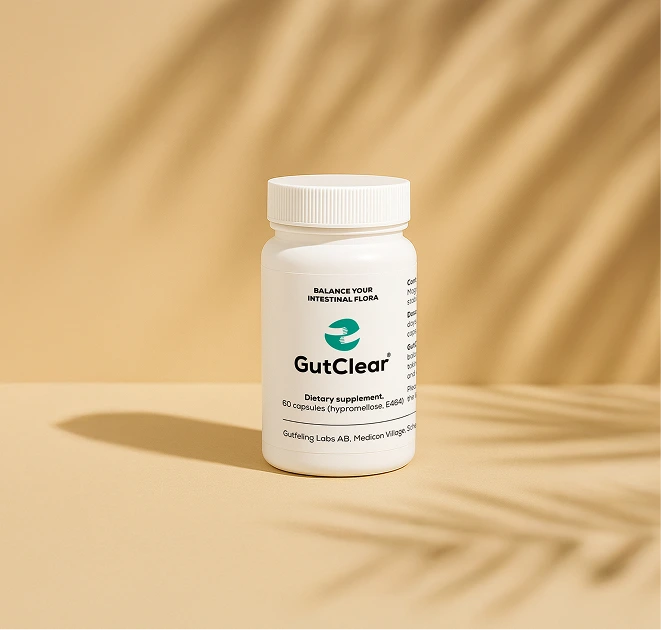
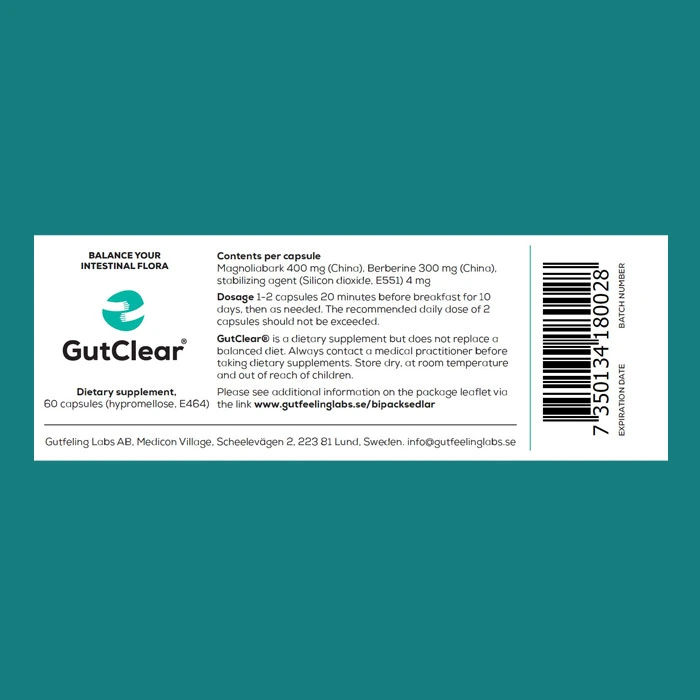

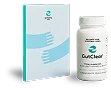


gutclear gutclear ingredients

4.8/5 Rated

GutClear® - reboot your gut

GutClear® is a botanical SIBO supplement for normal gut function.

Formulated to optimize small-intestinal flora while preserving beneficial colonic bacteria, this supplement promotes microbial balance and healthy bowel regularity.

Contains 20 doses, 70 gram • No Refrigeration needed

ADD TO CART

€165

Sold over 198 times last week

Pay safely using these payment methods :

Mastercard
American Express
Visa
Benefits
  • In case of hypersensitivity to magnolia bark or psyllium, GutClear® should not be taken.
  • GutClear® cannot be taken during pregnancy or breastfeeding.
  • GutClear® is not recommended for children.
  • Intake of lactic acid products (sauerkraut, kimchi, kombucha, yogurt, kefir, etc.), or food supplements containing lactic acid bacteria at the same time as GutClear® can lead to reduced effectiveness. Lactic acid products or food supplements containing lactic acid bacteria, on the other hand, can be advantageously taken the day after completing a round of GutClear®.
  • Honokiol and magnolol, compounds derived from magnolia bark, have been shown in animal studies to inhibit platelet function. The clinical relevance for bleeding risk in humans has not yet been established. If you are taking anticoagulant medication or are scheduled for surgery, consult a healthcare professional before use.

Storage: Dry at room temperature and inaccessible to children under 12 years of age.

GutClear®, a dietary supplement for SIBO, does not replace a well-rounded diet.
Always contact a medical practitioner before taking dietary supplements.

Please see additional information on the package leaflet via the link www.gutfeelinglabs.se/bipacksedlar

Add 1 scoop (5 ml) of powder to about 100 ml (one glass) of water. Stir thoroughly with a fork until fully dissolved (this may take up to 1 minute). Drink on an empty stomach. Follow with a full glass of water. Tip: If the taste is bitter, you may take 1–2 sips of coffee, tea, or juice directly afterward. Wait about 20 minutes before eating or drinking anything else. Note: The scoop is included in the container.


Dosage

Take 1 scoop daily for 10 days

Then 1–2 times per week for 5–10 weeks

After that, use as needed

Mild stomach sensations may occur during the first 1–3 days. A sip of coffee, tea, or juice may help relieve this.


You may experience increased gas during the first week. This may indicate that dietary fibers are reaching the large intestine, where they are properly fermented, rather than being utilized by bacteria in the small intestine (SIBO). This effect is typically temporary.

Intermittent constipation may also occur and can be relieved by consuming dried fruits such as apricots or prunes, increasing fluid intake, and engaging in moderate physical activity.


Some individuals may experience temporary symptoms such as fatigue or headache at the start of use. These effects are typically transient as the body adjusts. If this occurs, consider pausing use for 1–2 days, then resume the intake of GutClear®

Bundle & Save 20% On Your Order

Ultimate Gut Health Duo

Add our Test for SIBO, Leaky Gut & TMAO

EUR 171

EUR 204

Experience what a healthy gut truly feels like.

Find The Root Cause

Microbial Balance

Supports a healthy balance of microbes in the small intestine without disrupting beneficial bacteria in the colon.

Targeted Support

Designed to act specifically in the small intestine, helping restore gut function while preserving overall microbial harmony.

Digestive Comfort

Helps support regular bowel movements and reduce digestive discomfort linked to microbial imbalance.

Botanical Formula

A combination of magnolia bark and psyllium seeds – traditionally used to support a well-functioning gut and a balanced microbiota.

Supported by data. Felt in daily life
of people say they are feeling lighter
0 %
of people experienced less bloating
0 %
People reported better general health
0 %
Felt an improvement in mental clarity
0 %

GutClear® isn't just a supplement.
It's a transformation

Dosage

Dissolve 1 scoop (5 ml) of powder in a glass of water 20 minutes before breakfast for 10 days. After this initial course, take the supplement twice weekly for 5 weeks, then as needed.

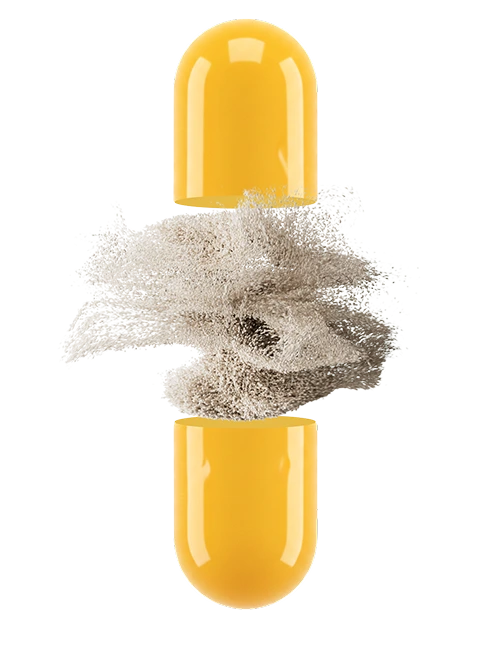
Gutclear Pill
Contains
Success Stories

Trusted Journeys to Better Gut Health

Once the inflammation in the gut subsides, the skin often follows suit. Many people find that their “intractable” skin problems improve as soon as their microbiome becomes more diverse.

By increasing their intake of prebiotic fiber (such as garlic, leeks, and onions) and cutting out highly processed sugar, many people report that the “cloudiness” clears up within two to...

The
Science of SIBO

SIBO occurs when bacteria migrate from your large intestine into the small intestine, disrupting the gut barrier and triggering widespread symptoms throughout your body.

Leaky Gut

Bacterial overgrowth weakens the intestinal barrier, allowing toxins into your bloodstream, which may lead to widespread health issues

Fiber Triggers Symptoms

Bacteria in the wrong place (small intestine) can ferment fiber, leading to excess gas and symptoms such as bloating and abdominal discomfort.

Gut Controls Immunity

The small intestine normally contains significantly fewer bacteria than the large intestine. It is not adapted to handle large amounts of bacteria, and imbalances may therefore negatively affect both the intestinal barrier and the immune system.

Beyond Bacteria

SIBO may have multiple underlying causes. Factors such as stress, reduced gastric acid, impaired motility, and diet may all contribute.

Invisible Symptoms

Symptoms go beyond bloating, brain fog, skin issues, food intolerances, autoimmunity, anxiety, and weight changes.

The GutClear® difference:
Benefits that build over time

Early support you may begin to feel within days

Week 1

Initial Adjustment

You may notice some mild discomfort in the first few weeks — this is simply your gut adjusting.

Week 2

Microbiome Rebalancing

As your microbiome rebalances, you may feel lighter and more comfortable throughout the day.

Week 3

Predictable Balance

Consistency brings stability. By this stage, bacterial activity may be more localized to the large intestine, where it belongs, which can contribute to a more stable, predictable, and balanced gut environment.

Week 4

Long-Term Stability

With continued use 1–2 times weekly, long-term microbial balance can be supported, contributing to a stable and well-functioning gut environment.

What sets us apart

GutClear® offers a complete, all-in-one approach to gut health.

Parameter GutClear® Multivitamins Probiotics Greens
Vitamins
Minerals
Prebiotics
Greens & Superfoods
Antioxidants
Digestive Enzymes

Visible Reduction of Bacterial Growth

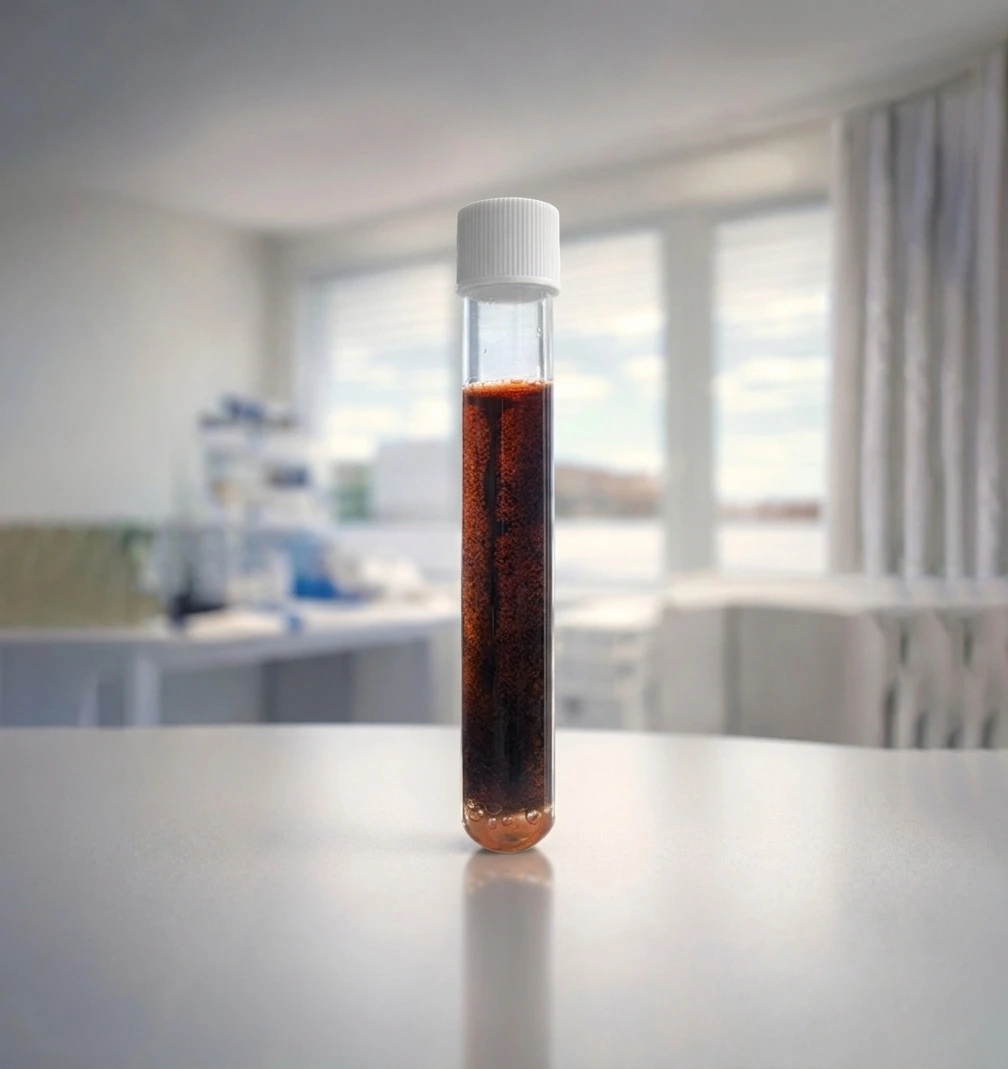
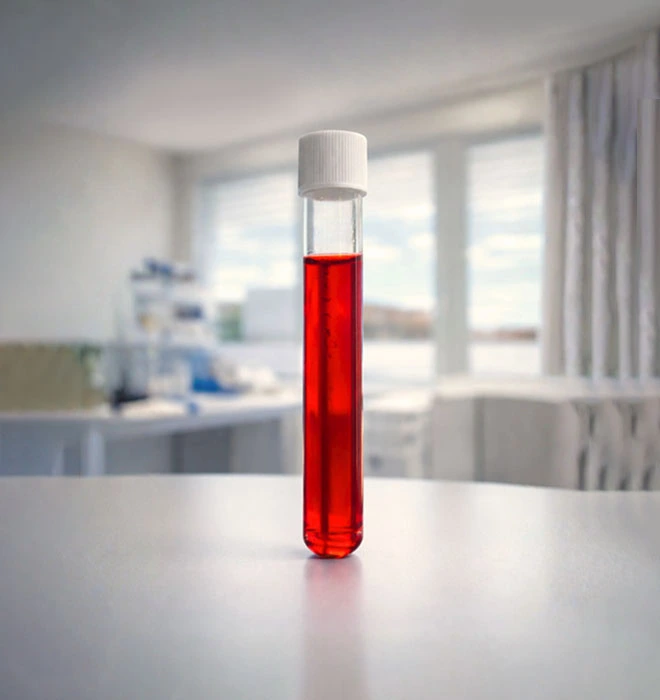
Both tubes contain soft agar, a medium used to grow bacteria. The same E. coli strain was added to each tube. The untreated sample shows visible bacterial growth, while the tube with GutClear® shows no visible growth.

Without Gutclear

Without GutClear®

Heavy bacterial growth observed

With GutClear®

No Visible bacterial growth

The GutClear®
Formula Explained

Bark extract from the magnolia tree
Maximal dose / day: 800 mg

Magnolia bark helps regulate gut motility, supports regular bowel movements, and balances microbial activity in the small intestine - without disturbing beneficial colon bacteria.

Psyllium seeds
Maximal dose / day: 2700 mg

Add more power to Elementor using our creative elements and make your projects look prettier than ever before.

Driven by science

Meet the minds behind Gutfeeling Labs

Our advisory board includes Lund University science-based experts with high-level publications and patented research.

Quote

At Gutfeeling Labs, we set out to change how gut health is understood. Too many people struggle with persistent issues without clear answers. By combining advanced analytical science with practical insights, our goal is to replace uncertainty with clarity—and empower better health decisions.

Dr. Hans Fischer

CMO of Gutfeeling Labs & Associate Professor Of Immunology & Microbiology at Lund University

Quote

I’ve seen firsthand how frustrating it can be to search for answers to ongoing gut issues. GutFeeling Labs was created to bridge the gap between complex science and real-life health decisions—offering clarity, accuracy, and guidance you can rely on.

Dr. Walter Fischer

CEO of Gutfeeling Labs & Neurosurgeon & Associate Professor of Neuroscience at Lund University

Frequently asked questions

We’ve got the answers

Can I take GutClear® as needed to keep SIBO at bay?

Many people choose to take GutClear® after periods of irregular eating, alcohol, poor sleep or stress as part of their routine to support digestive balance. Others take it regularly 1–2 times per week as part of their gut health routine.

How can I prevent my upset stomach from returning after finishing GutClear®?
  • Try taking a maintenance dose of GutClear® 1-2 times a week for 5-10 weeks.
  • Try not to eat at least four hours between meals to allow the small intestine to empty itself of food ( avoid snacks).
  • Try drinking ½ glass of water containing 1 teaspoon of apple cider vinegar about 20 minutes before a meal.
  • Try intermittent fasting, for example skipping breakfast, which can result in a beneficial intestinal emptying and rest between the evening meal and lunch for 14-16 hours).
  • Try regular exercise (walking/strolling are good alternatives).
  • Chronic stress negatively affects the functioning of the stomach and intestines. See if you can reduce the stress in your life, for example through mindfulness, relaxation exercises and walks in nature.
If I have already taken a round of GutClear® and want to continue, how long can I do this?

If you have taken a round of 10-20 days with GutClear® and experience some persistent issues, we recommend that you continue immediately with a round of 10-20 days, alternatively 1-2 doses per week for 5-10 weeks.

If several months have passed since I took GutClear®, how should I start again if I feel I need this?

We suggest a new round of GutClear® for 10-20 days straight, or as 1-2 doses per week for 5-10 weeks.

Is GutClear®'s effect limited to the small intestine?

When comparing gut microbiome test results before and after using GutClear®, overall bacterial diversity is generally observed to remain stable. In some cases, an increase in diversity has been noted. This may indicate that the product’s ingredients primarily act in the small intestine, with limited impact on the bacterial composition of the colon.


In the small intestine, bacteria can utilize certain dietary components before they reach the large intestine. By supporting a balanced environment in the small intestine, more of these components may pass through to the colon, where they can be available to beneficial bacteria.

Does GutClear® have any side effects?

If you have experienced digestive imbalances for a longer period, you may notice temporary symptoms such as mild flu-like feelings or nausea during the first 1–3 days of using GutClear®.


These effects may be related to changes in the gut environment as your body adjusts. They are typically short-lived.


If this occurs, you may consider taking a short break from GutClear® for 1–2 days before resuming use.

​​I did not notice any effect from GutClear®. What should I do?

We recommend that you continue to take GutClear® at the same dose daily for another round of 10-20 days, alternatively, take 1-2 doses of GutClear® per week for 5-10 weeks.

How should I eat while taking GutClear®

Eat as you usually do. If you wish to eat food containing lactic acid bacteria (fermented food, cottage cheese, yogurt, kefir), please have these in the afternoon (when you have taken GutClear® 20 min in the morning). These extra bacteria can reduce the effect of GutClear® on the bacteria that have colonized the small intestine (SIBO).

How do I maintain the effect of GutClear®?

It's about preventing new colonization (overgrowth) of bacteria in the small intestine. You can do this by taking a dose of GutClear® as needed when you feel discomfort in your stomach. It is also important to keep bowel activity going, for example, by avoiding chronic stress, as this may inhibit bowel movements. Try to find something that gives you recovery, such as walking, mindfulness, yoga, and - if possible - avoiding chronic stress.


Chronic stress affects and inhibits the body's longest nerve, the vagus nerve. Whose nerve endings enter the intestinal wall and stimulate intestinal peristalsis (bowel movements) and digestion. Stress can also cause the valve between the large and the small intestine to not function optimally, i.e., not keeping tight. The critical task of the valve is to prevent bacteria from migrating from the large intestine to the small intestine and, thus, the overgrowth of bacteria in the small intestine.

Why do you get an overgrowth of bacteria in the small intestine?

Stress is a natural part of life and helps the body respond to increased demands. However, long-term (chronic) stress may affect normal digestive function and contribute to an imbalance in the gut environment.


Under normal conditions, most digestion of dietary fiber takes place in the large intestine, which is adapted to handle large amounts of bacteria. The large intestine also has a thicker protective mucus barrier compared to the small intestine.


If increased bacterial activity occurs in the small intestine, fiber may be broken down earlier than intended. This can be associated with digestive discomfort, such as bloating or a feeling of tension between meals.


In English-language literature, this condition is often referred to as Small Intestinal Bacterial Overgrowth (SIBO), a term used to describe increased levels of bacteria in the small intestine.

What can it mean to have too many bacteria in the small intestine?

The small intestine is not made to handle high amounts of bacteria. Suppose there are too many bacteria in the small intestine. In that case, the digestion of fibers from the diet occurs there. It results in unfavorable gas production and other bacterial byproducts that can irritate the small intestinal mucosa. This negatively affects the nervous system and the immune system along the small intestine.

Why does the small intestine have far fewer bacteria than the large intestine?

The reason is that the small gut is not designed to contain large amounts of bacteria since its wall is not protected by the thick mucous layer seen in the large intestine (which is designed to hold large amounts of bacteria). The small intestine is sometimes called "the little brain" because of the large number of nerve cells located along the small intestine wall. A large part of the body's immune system is also located along the mucosa (lining) of the small intestine. In SIBO, by-products from the metabolism of bacteria can damage the mucosa of the small intestine, leading to increased permeability (a leaky gut), thereby negatively affecting the nerve and immune cells in the small intestine wall.

Should fiber intake change when experiencing bloating and soreness?

If you have SIBO, increased dietary fiber intake can provide additional nutrition to the bacteria and produce even more gas and bacterial byproducts, worsening the discomfort you already have.

How can GutClear® help me?

With GutClear® the bioactive and microbe-balancing substances can be continuously secreted as it passes through the small intestine. By balancing bacteria in the small intestine, bacterial digestion of dietary fiber can be prevented from occurring there and instead take place in the large intestine which, unlike the small intestine, is adapted for this bacterial breakdown process.

Can I take GutClear® if I have had gastric bypass?

Yes, but take only 1 capsule per day.

Still Got Questions?

REQUEST A CALL BACK

Learning Hub

Insights for a Healthier Gut