What is a Personalised Diet plan?
Personalised diet plans provide food guidelines to support someone in adopting a certain diet. They can be very specific, providing a structured meal plan with exact amounts and cooking instructions or be less specific and simply give guidance on foods to increase or decrease. Personalised diet plans should take into consideration medical history, dietary preferences/choices/religion, allergies, gut health and nutritional requirements.
Someone may want to follow a personalised diet plan to lose or gain weight, improve sport performance, improve fertility, support diabetes, or just to be healthier. Ultimately, whilst general dietary guidelines are good, personalised diet plans can take into consideration all of the above.

What are the Advantages of a Personalised diet?
- Reduce time, stress and anxiety around deciding what to eat
- Reduce food wastage
- Plan food shopping
- Pre-prepare meals
- Achieve goals quicker
- Support dietary preferences
- Ensure meeting nutritional requirements
- Alleviate gut issues
How can it support my health?
Food is important for more than calorie content; it provides protein, fats, carbohydrates, vitamins, minerals and more.
- Protein is important for every process in the body, muscle growth, skin, hair and nails.
- Fat, especially healthy fats such as Omega 3, is important for the brain, heart health, protecting our cells, vitamin absorption and hormone support.
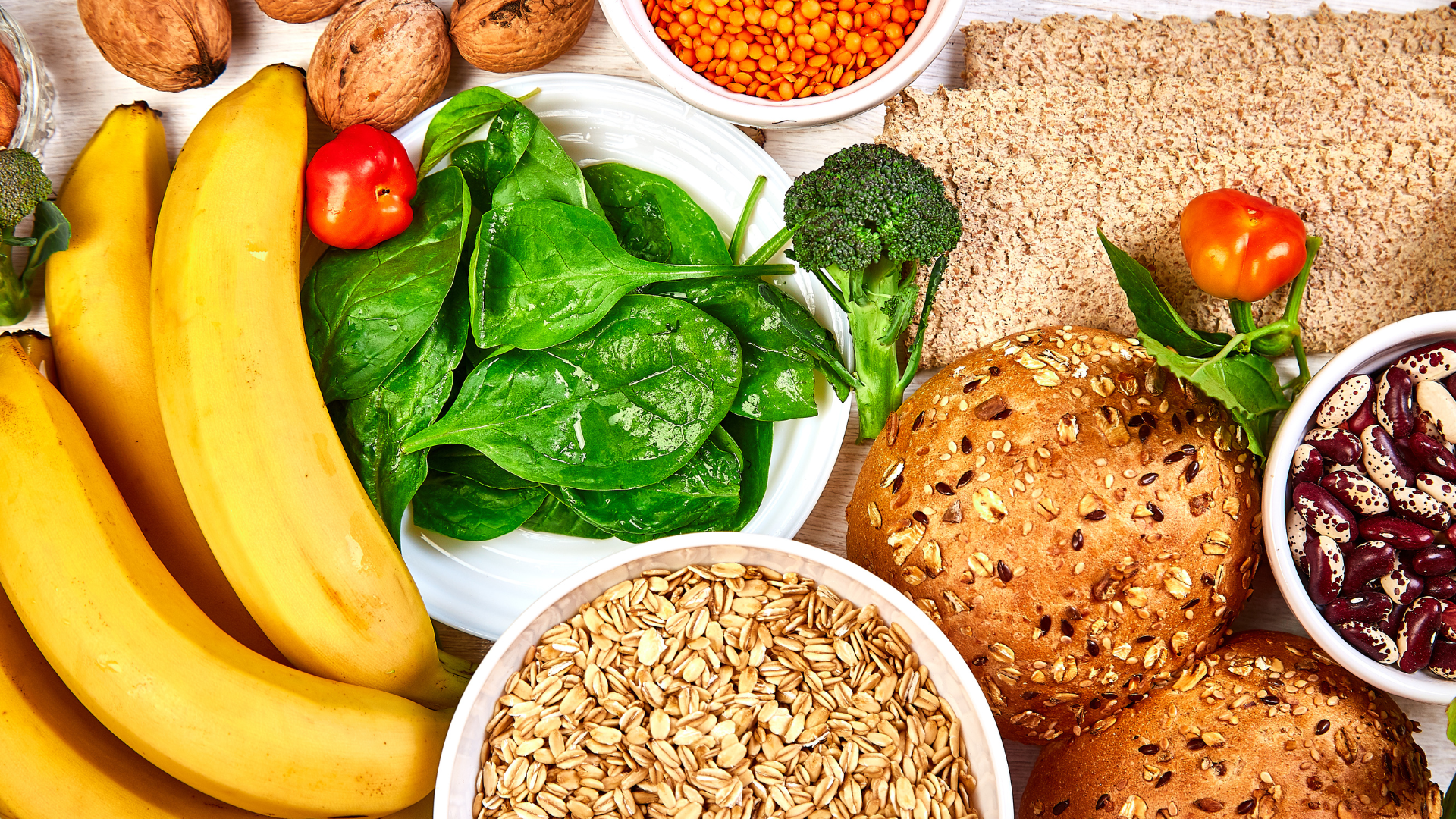
- Carbohydrates help regulate our mood, provide us energy and fibre, a type of carb, is super important for a healthy gut.
- Vitamins and minerals, such as vitamin A, C, Iron and magnesium, ensure our body is able to function properly. Deficiencies can cause short and long term ill health such as increased risk of brittle bones, hair loss or anaemia.
We all need similar amounts but requirements are based on someone’s sex, age and activity levels. Certain dietary choices such as veganism, pescetarian, no gluten or halal can also influence the design of a personalised diet plan and may require supplementation. For example, vegans are at risk of Vitamin B12 deficiencies, whilst those that follow a gluten free diet may lack fibre and folate.
When is a personalised diet plan better than public health guidelines?
In the UK, we are not getting enough fibre, and public health guidelines suggest we need 30g a day. However, if you have Irritable Bowel Syndrome (IBS) or Inflammatory Bowel Disease (IBD), this may be too much for you and may increase discomfort.
UK guidelines also suggest people only need around 50g of protein a day (or 0.75g of protein per KG of body weight) however this is outdated and new research has confirmed that it’s more likely 1-2g of protein per KG of body weight, depending on factors such as age, exercise and goals like weight loss or building muscle.
Is Personalised Nutrition the right approach?
With the surge in Artificial Intelligence, technology, wearables and access to home testing (genetics, blood testing and Continuous Glucose Monitors) professionals have the opportunity to personalise diet plans even more. Personalised diet advice is specific to YOU and your unique biology, rather than a ‘one size fits all’ approach. You’ll therefore, in theory, get better results.
That being said, be mindful to not allow data to become an obsession. When relying solely on data, important factors such as food enjoyment and food quality are missed.
Not All Personalised Diet Plans are Created Equal.
Unfortunately, many meal plans sold are not designed by qualified professionals. Research shows that only 1 in 9 ‘wellness experts’ on social media provide accurate dietary advice. So whilst there are many advantages of a personalised diet plan, to reap the benefits, ensure you are getting it from a qualified source, such as a registered nutritionist or dietitian.
Personal trainers (PT) for example, are not legally able to prescribe meal plans outside of basic healthy eating advice. Whilst many have extra nutrition qualifications, it’s always best to understand their expertise to ensure they consider more than just calorie and macronutrient needs. It is unlikely personalised plans from a ‘wellness expert’ would have accurate nutritional support for gut discomfort; they may for example, include a very high amount of protein, which for some people can exacerbate bloating and flatulence.
Which types of Personalised Diet Plans can I get?
Some popular examples:
- Sport performance diet plan
- Elimination diet plan
- Irritable Bowel Syndrome diet plans (see our 30 day IBS intro plan)
- Vegan diet plans