
SIBO - when the intestinal flora ends up in the wrong place

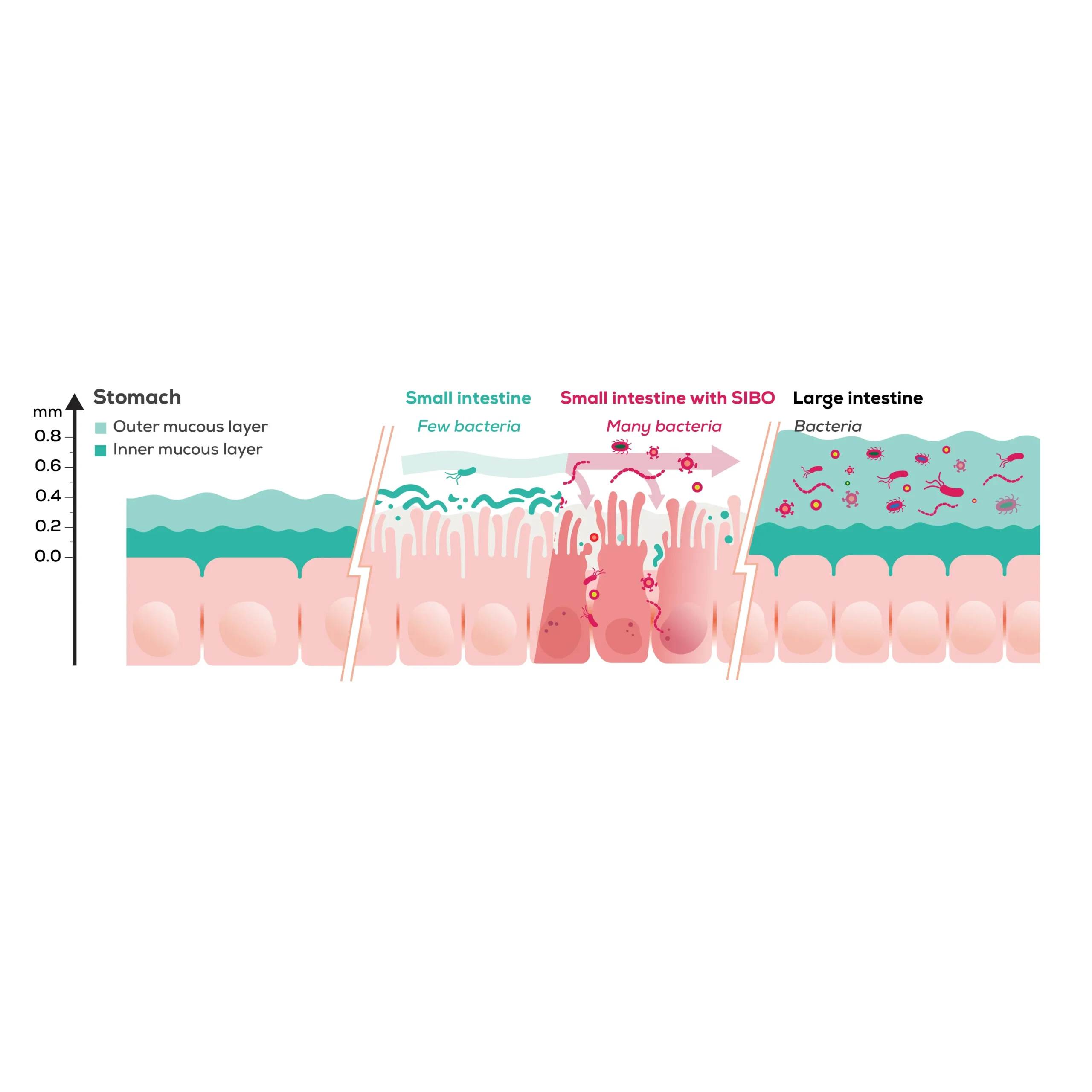
Most of the bacteria in our gut flora naturally reside in the large intestine, where they help break down dietary fibers. In this process, substances important for our health are produced. The large intestine also has two protective mucus layers that prevent bacteria and toxins from penetrating the intestinal wall and entering the body.

How does SIBO develop?

SIBO – Small Intestinal Bacterial Overgrowth – occurs when bacteria that are normally confined to the large intestine begin to proliferate in the small intestine. This can happen if the natural valve between the small and large intestine – the ileocecal valve – weakens or leaks. Chronic stress can be a contributing factor. Research also shows that long-term use of acid-suppressing medications can increase the risk of developing SIBO.

Since the small intestine lacks the protective mucus layers that the large intestine has, bacteria and toxins can more easily irritate the intestinal wall and contribute to a condition known as leaky gut. This, in turn, can negatively affect the immune system – especially since around 70% of the body's immune cells are located in the mucosa of the small intestine. The result may be low-grade, chronic inflammation that affects multiple parts of the body, including the skin, muscles, and nervous system.

SIBO is therefore not just a local problem in the gut. It can impact the entire body and overall health. There is also a strong link between SIBO and IBS. Studies show that up to 80% of people with IBS also have SIBO.

Signs of SIBO

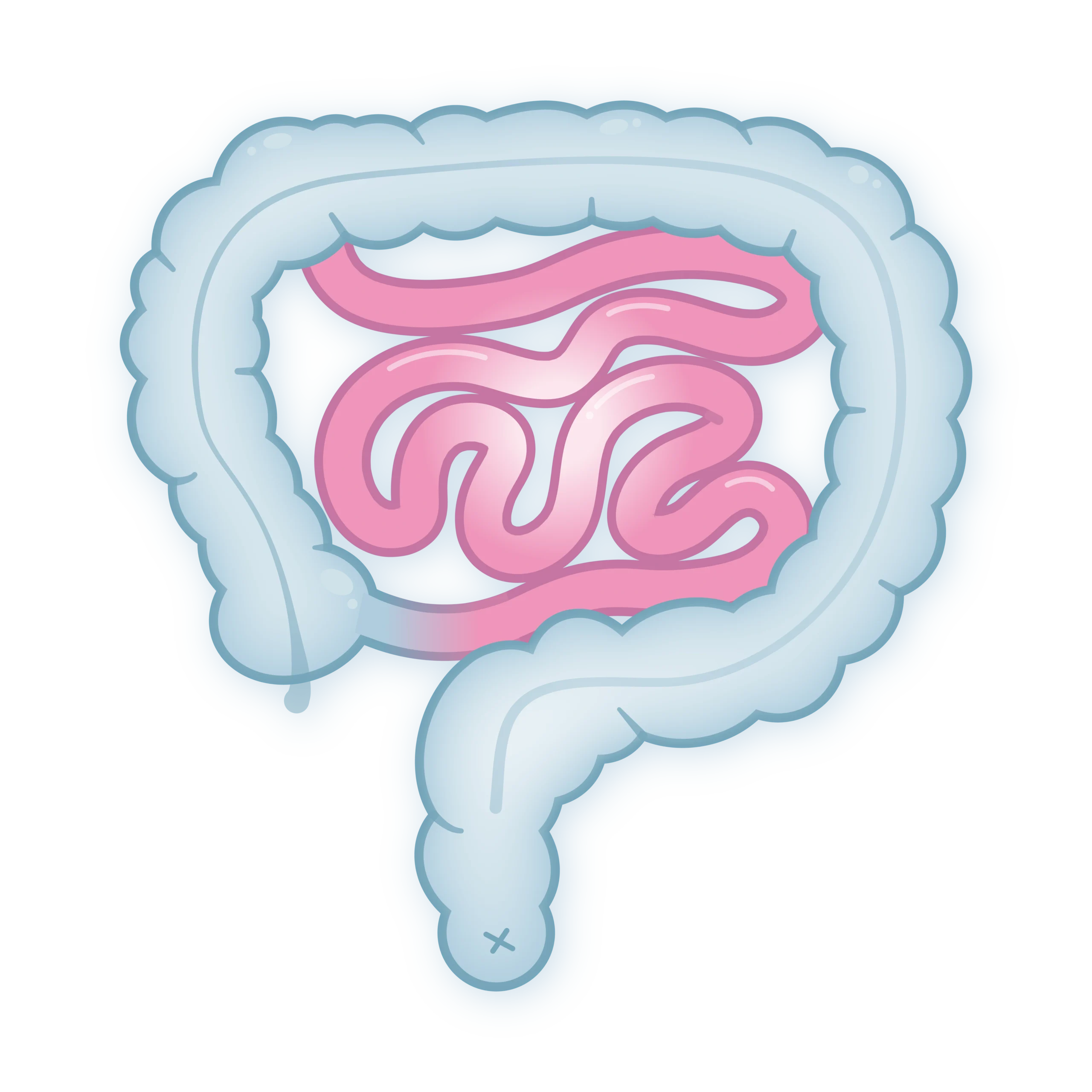
The small intestine, which is the longest segment of the intestine, is responsible for absorbing the nutrients from the food we eat. Cells in the intestinal wall also regulate many endocrine (hormonal) signaling pathways, such as those involved in the experience of hunger.

Signs of SIBO

When bacteria grow uncontrollably in the small intestine, it can lead to a variety of symptoms. Some symptoms are local and directly affect the gut and digestion, while others are more systemic and can impact overall health. Here are some common signs to watch for:

  • Tender and bloated abdomen between meals
  • Diarrhea and/or constipation
  • Fatigue
  • Brain fog
  • Food sensitivities
  • Heartburn / reflux
  • Histamine intolerance
  • Inflammation (joint pain, fibromyalgia)
  • Anxiety and depression
  • Sleep disturbances

Help in SIBO

Treatment of SIBO usually involves a combination of antimicrobial agents, dietary changes, and stress management, along with strategies to improve gut motility. One study has shown that botanical supplements with antimicrobial properties can yield good results.

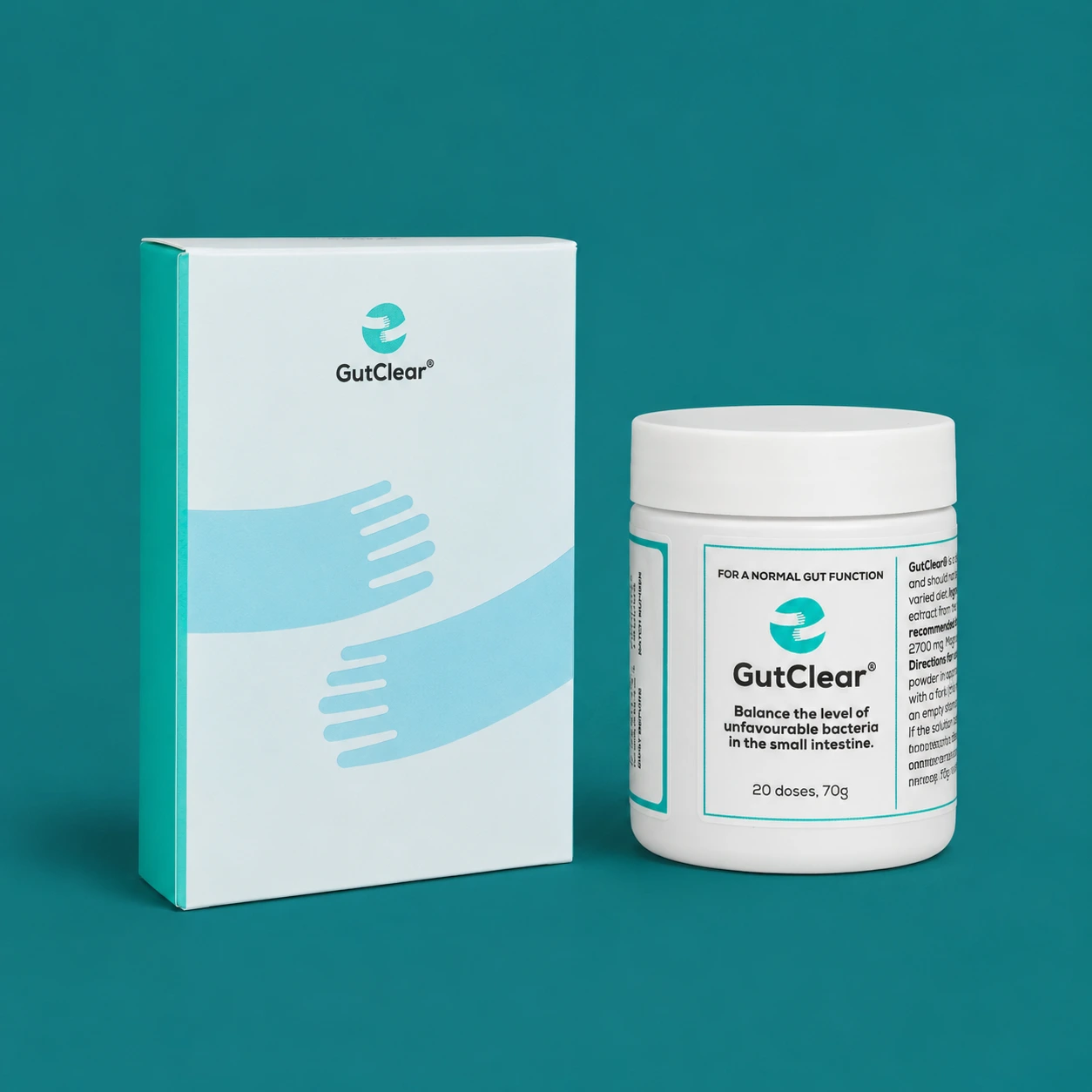
We recommend GutClear® , our own plant-based supplement for SIBO and leaky gut, to help support normal gut function.

For those who want to know more about SIBO

Here are more in-depth facts about SIBO for those of you who want to read more, or for those of you who work therapeutically and meet people with problems that can be linked to SIBO in your profession.

Learn more about SIBO
For those who want to know more about SIBO