











test-for-leaky-gut-and-sibo-img-gallery2 test-for-sibo-leaky-gut-tmao-product
4.8/5 Rated

SIBO, Leaky Gut & Cardiometabolic Risk-factors Test

The world’s first single-sample urine test that detects SIBO, Leaky Gut, and risk factors associated with Neuropsychological, Cardiovascular & Metabolic Health. Our unique, patent-pending test identifies primary yet hidden root causes of common health issues — providing personalized guidance based on your specific results.

Get Tested Today

€ 165 

Product Users

Sold over 269 times last month

Pay safely using these payment methods :

Mastercard
American Express
Visa
Benefits
Advanced biomarker analysis

This test uses high‑sensitivity mass spectrometry to provide a comprehensive view of your gut health from a single urine sample. It enables accurate detection of key biomarkers linked to SIBO, leaky gut, cardiometabolic risk factors, and ImP—four often overlooked drivers of digestive and metabolic issues.

How the test works

The analysis is based on well‑established scientific principles:

  • Curcumin metabolism
    Curcumin is metabolized by gut bacteria into water‑soluble compounds that are excreted in urine. These metabolites provide insight into bacterial activity in the small intestine, helping identify SIBO.
  • Lactulose absorption
    Lactulose (not to be confused with lactose) is a synthetic sugar that normally cannot pass through a healthy intestinal barrier. If detected in urine, it indicates increased intestinal permeability—commonly known as leaky gut.
  • TMAO (Trimethylamine N‑oxide)
    TMAO is produced when gut bacteria metabolize certain nutrients. Elevated levels may reflect bacterial overgrowth in the small intestine and are associated with low‑grade inflammation and long‑term cardiometabolic and immune health risks.
  • ImP (Imidazole Propionate)
    ImP is a microbiota‑derived metabolite linked to impaired glucose metabolism, insulin resistance, and inflammatory signaling. Elevated levels suggest a dysfunctional gut microbiome and provide deeper insight into metabolic health and the gut’s influence on systemic disease processes.
What this tells you

By analyzing these biomarkers together, the test provides a clear and clinically relevant assessment of:

  • Small intestinal bacterial overgrowth (SIBO)
  • Increased intestinal permeability (leaky gut)
  • TMAO levels as a marker of gut microbial metabolism
  • ImP as an indicator of microbiota‑related metabolic dysfunction


All of this is achieved through a single, non‑invasive urine sample—making the process simple, convenient, and reliable.


This test is for everyone who is conscious about their current gut status, curious about hidden risk factors and most definitely people with chronic gut issues or unexplained systemic issues that they would like clear answers to.

Hidden Drivers of Poor Health
  • Gut imbalance — including SIBO, leaky gut, cardiometabolic risk factors, and ImP‑related microbial dysfunction — is increasingly recognised as a root cause of diverse health issues.
  • Symptoms may appear unrelated: IBS, bloating, inflammation, fatigue, brain fog, headaches, sleep disruption, eczema, food sensitivities, mood changes, metabolic concerns, and chronic pain.
Why Early Detection Matters
  • SIBO and leaky gut often remain undiagnosed for years.
  • Increased intestinal permeability is associated with:
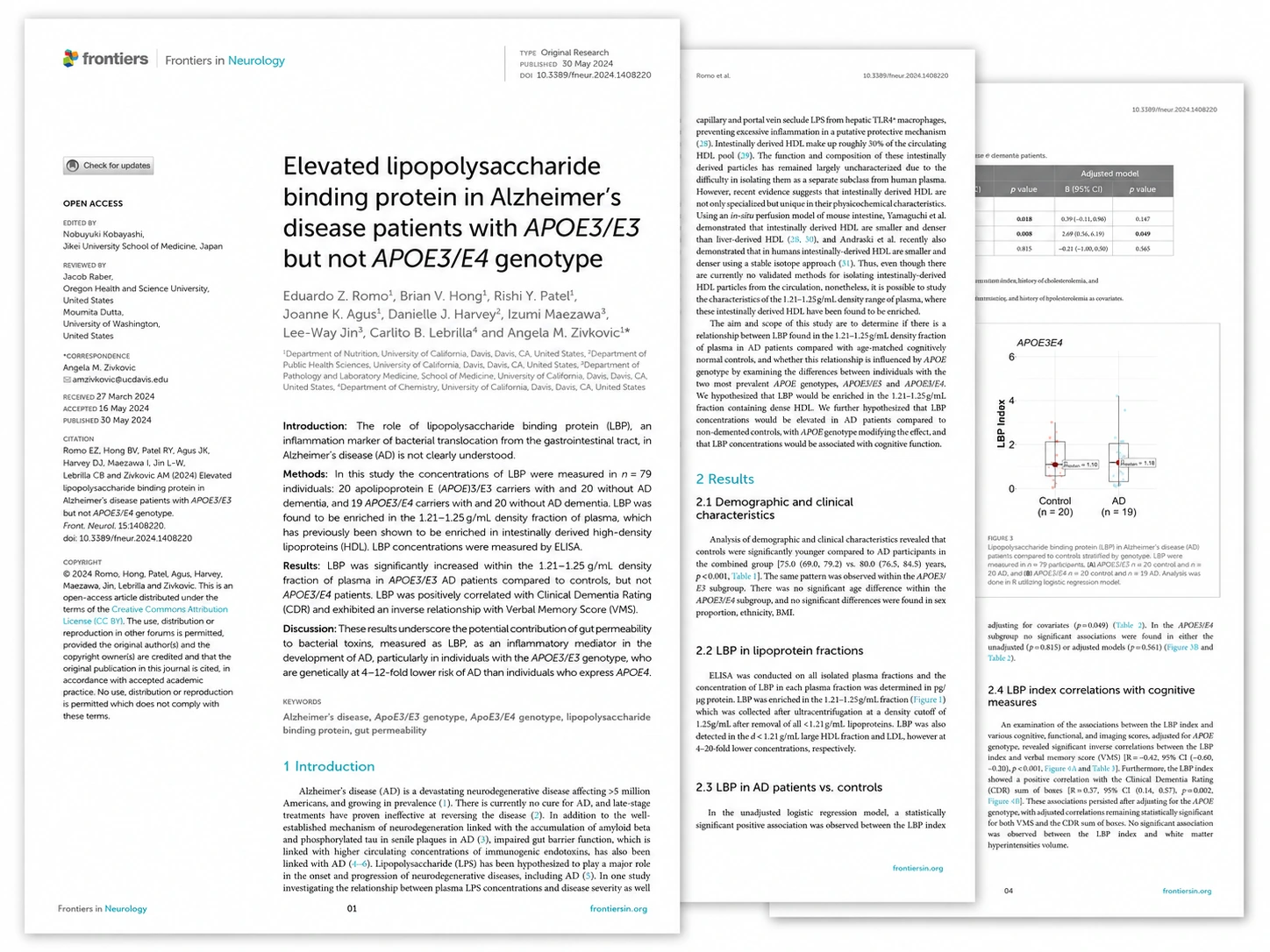
    • Neurodegenerative conditions (Alzheimer’s, Parkinson’s)
    • Autoimmune and neurological disorders (Multiple Sclerosis)
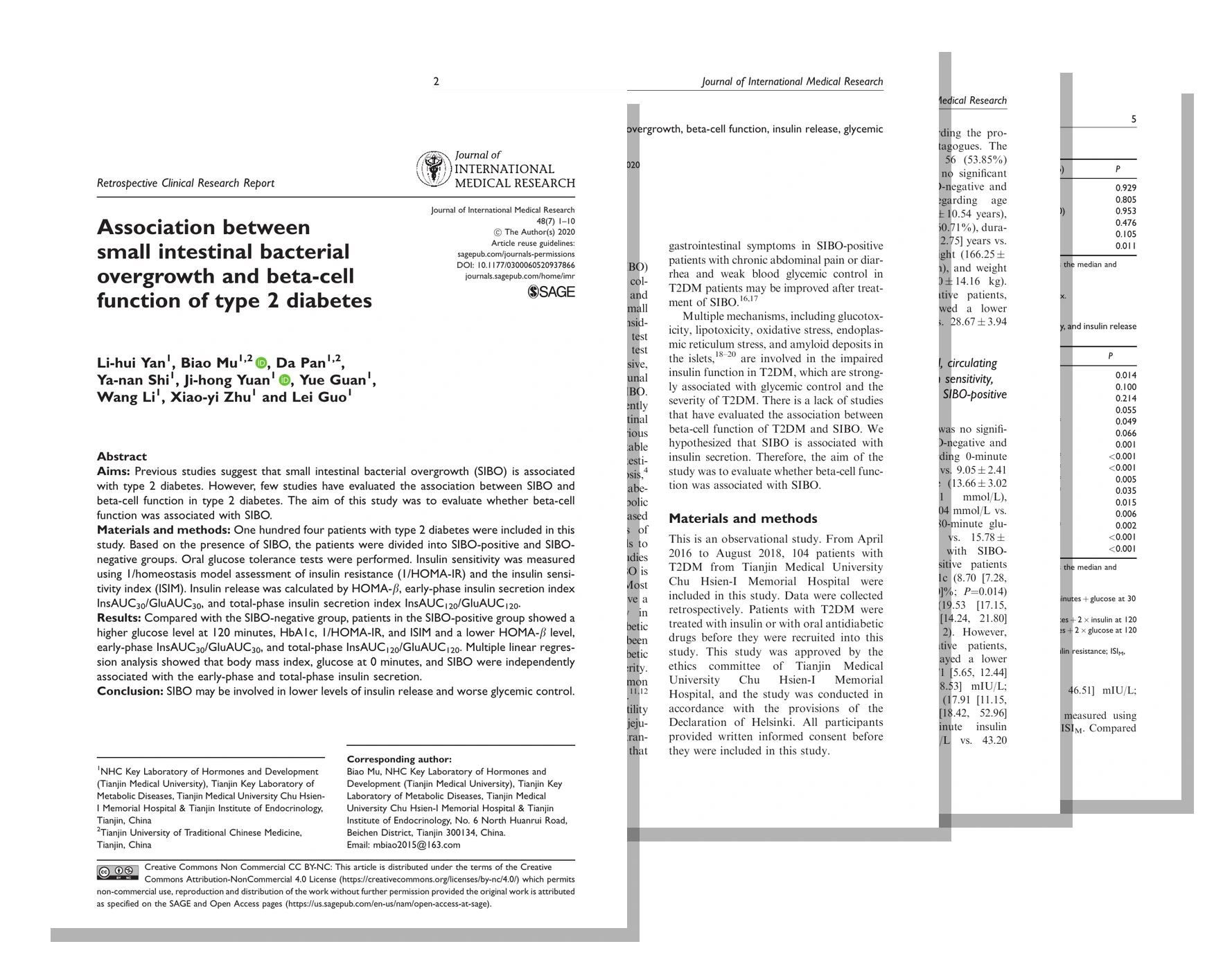
    • Metabolic diseases (Type 2 diabetes)
  • Early identification allows proactive action before symptoms escalate.
The Role of TMAO
  • Produced when gut bacteria metabolise specific nutrients.
  • Elevated levels may indicate:
    • Microbiome imbalance in the small intestine
    • Low‑grade inflammation
    • Cardiometabolic risk
    • Blood sugar regulation challenges
    • Immune imbalance
The Role of ImP (Imidazole Propionate)
  • A microbial metabolite linked to:
    • Impaired glucose metabolism
    • Insulin resistance
    • Systemic inflammation
  • High ImP levels signal deeper microbiome dysfunction and metabolic stress.
Is This Test Right for You?
  • Ideal for anyone experiencing persistent digestive or unexplained symptoms.
  • Designed for people seeking clarity after years of managing symptoms without answers.
  • Provides a comprehensive, non‑invasive assessment of gut‑related imbalances.
  • Helps you take control of your health and move toward feeling better.
One simple urine sample is all it takes
  • No invasive procedures
  • No clinic visits
  • A fast, at‑home test
  • Sample sent back easily via post
  • Clear insights into SIBO, leaky gut, cardiometabolic risk factors, and ImP‑related microbial dysfunction
What the Test Measures
SIBO (Small Intestinal Bacterial Overgrowth)
  • Uses curcumin — a compound only gut bacteria can break down
  • Bacteria convert curcumin into measurable metabolites (e.g., HHC)
  • These metabolites enter the bloodstream and appear in urine within ~90 minutes
  • High‑sensitivity mass spectrometry reveals bacterial activity in your small intestine
Leaky Gut (Intestinal Permeability)
  • Measures lactulose, a synthetic sugar normally not absorbed
  • Elevated lactulose in urine ≈ increased intestinal permeability
  • Indicates that the gut lining is allowing larger molecules through than it should
TMAO (Trimethylamine N‑oxide)
  • Produced when gut bacteria metabolise specific nutrients
  • Elevated levels may signal:
    • Microbiome imbalance
    • Low‑grade inflammation
    • Cardiometabolic stress
    • Blood sugar regulation challenges
    • Immune imbalance
ImP (Imidazole Propionate)
  • A microbial metabolite linked to:
    • Impaired glucose metabolism
    • Insulin resistance
    • Systemic inflammation
  • High ImP levels indicate deep microbiome dysfunction and metabolic stress
After Your Test
Personalised, actionable insights
  • Tailored recommendations based on your biomarkers
  • Strategies to rebalance your gut microbiome
  • Guidance to reduce stress on the small intestine
  • Practical nutrition and lifestyle steps for long‑term health

While SIBO and leaky gut are not classified as diseases, they may contribute to a wide range of health issues. Understanding what’s happening in your gut is the first step toward addressing it.

Take the test today – and take a proactive step toward better gut health, improved well-being, and healthy aging.

The Gutfeeling Labs test is a health and lifestyle assessment designed to provide meaningful insights into gut function and overall well-being. It is not intended to diagnose, treat, or replace medical care, but to give you reliable, science-backed information that supports your health decisions.

A Rigorous Scientific Approach

The test is built on advanced analytical technology using high-sensitivity mass spectrometry, the same class of technology used in leading research laboratories. This enables precise, reproducible detection of three key biomarkers from a single urine sample: bacterial activity in the small intestine, intestinal permeability, and microbial metabolites such as TMAO.

The methodology is grounded in established scientific principles and is designed to deliver consistent, trustworthy results.

Working Toward Accreditation

Gutfeeling Labs is currently preparing an application for accreditation under ISO/IEC 17025, an internationally recognised standard for testing and calibration laboratories. This process encompasses the validation of analytical methods, robust quality control procedures, full documentation and traceability, and a commitment to continuous improvement of laboratory performance.

Our Commitment to Transparency

We hold ourselves to a high standard, not just analytically, but in how we communicate. That means presenting your results clearly and honestly, developing our methods in line with the latest research and regulatory guidance, and maintaining scientific integrity at every step.

Our goal is straightforward: to give you insights you can trust, so you can make informed decisions about your health and well-being.

Bundle & Save 20% On Your Entire Order

3-Months Follow Up-Test

3-month Follow-up Test

First test ships immediately

EUR 132

each

EUR 165

Additional Partner Pack

Gut Health Package for Two

A comprehensive SIBO, Leaky Gut, Cardiovascular & Metabolic Riskfactors kit to test your partner for small intestinal bacterial overgrowth and permeability.

EUR 132

each

EUR 165

Chronic fatigue and low energy
Brain fog and difficulty concentrating
Anxiety and depression
Mood swings and low mood
Skin issues (acne, eczema, rosacea, psoriasis)
Autoimmune conditions
Hormonal imbalances
Sleep disturbances and insomnia
Bloating and digestive discomfort
Gas and abdominal distension
Type 2 diabetes
Cardiovascular risk factors
Non-alcoholic fatty liver disease (NAFLD)
Insulin resistance
Fibromyalgia
Weight gain or difficulty losing weight
Food sensitivities and allergies
Food intolerances
Joint and muscle pain
Chronic inflammation
Weakened immune system
Diarrhea or constipation
Headaches and migraines
Sugar cravings
Irritable Bowel Syndrome (IBS)
Parkinson's disease risk
Alzheimer's disease risk
Crohn's disease

Is Your Gut Behind These Health Issues? Get Tested

Why Test Your Gut
with Us?

Find The Root Cause

Find The Root Cause

Uncover hidden gut imbalances behind bloating, fatigue, brain fog, and food reactions with data-backed insights.

One Test. Multiple Insights.

Our patent-pending urine test detects leaky gut and bacterial overgrowth in the small intestine (SIBO) – two common causes of health issues.

Most Reliable Gut Test

This advanced test analyzes lactulose and bacterial metabolites via high-sensitivity mass spectrometry to evaluate intestinal permeability and identify SIBO

Results-Based Guidance

If your results exceed reference levels, you’ll receive clear one-on-one guidance to rebalance your gut and support long-term health through practical lifestyle changes.

Certification in progress meet global standards

Tested using High-sensitivity mass spectrometry

100% Data Security & Privacy

Recommendations based on the individual test results

SIBO doesn't stay in your gut.
It spreads its reach.

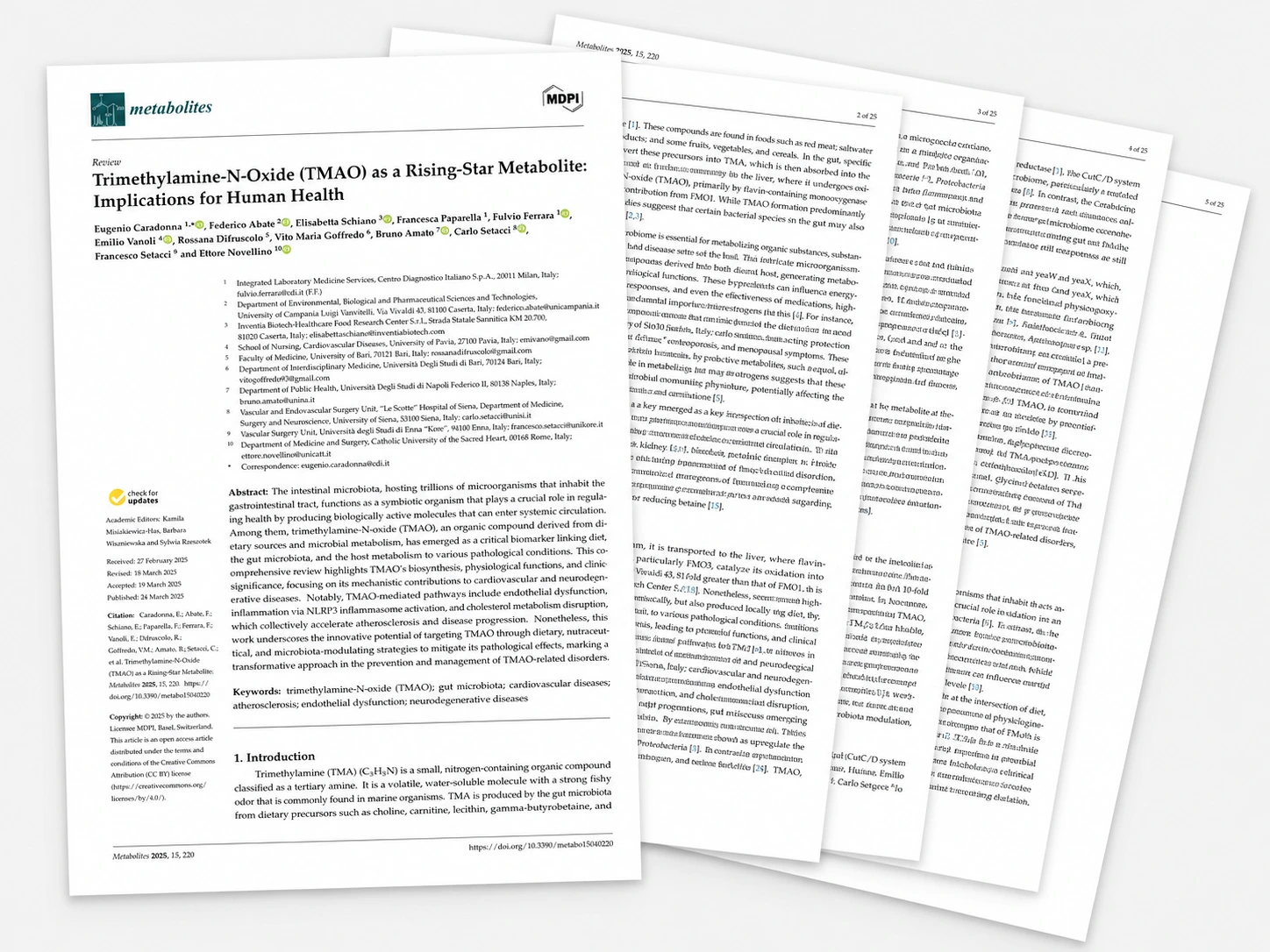
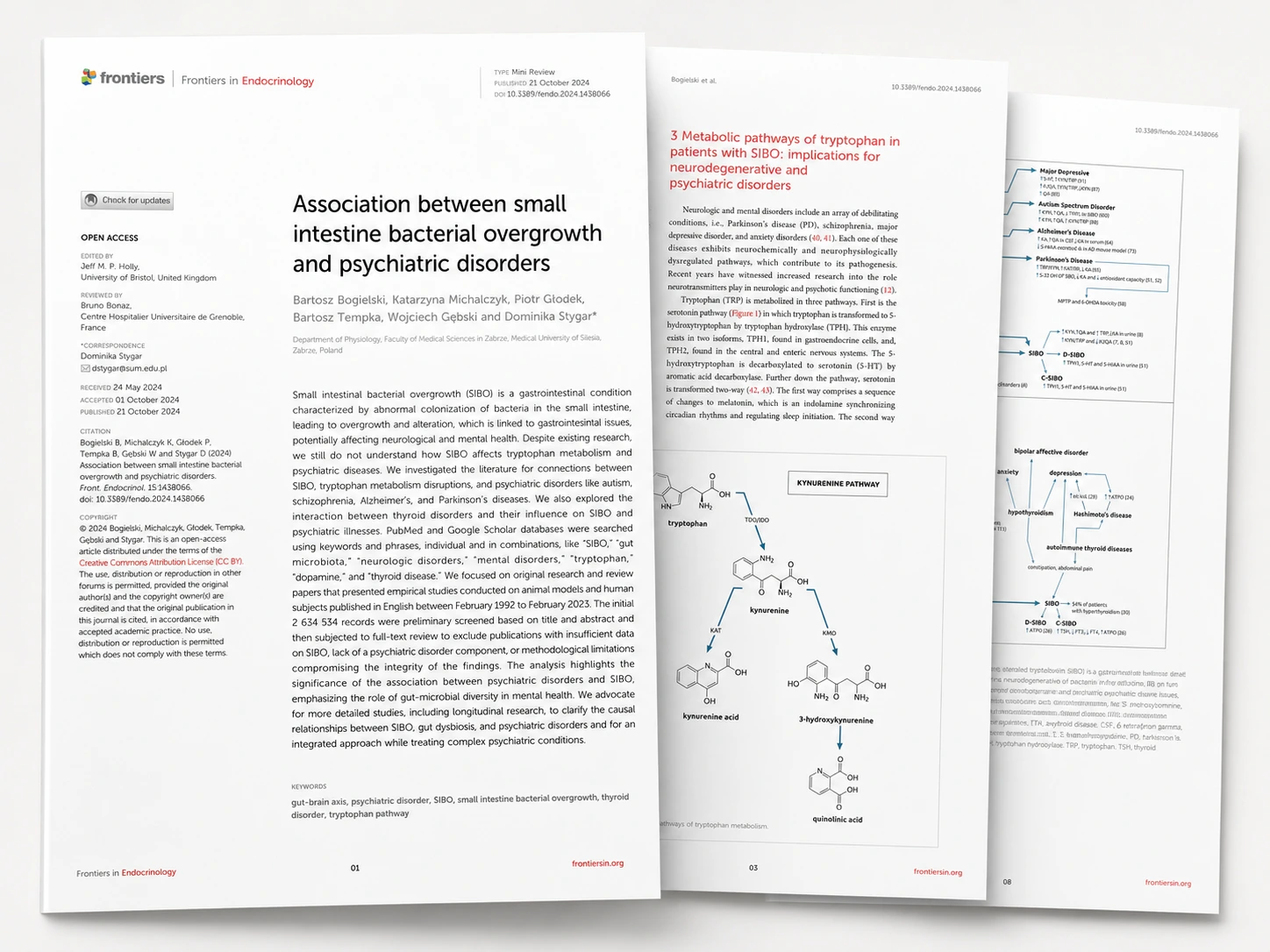
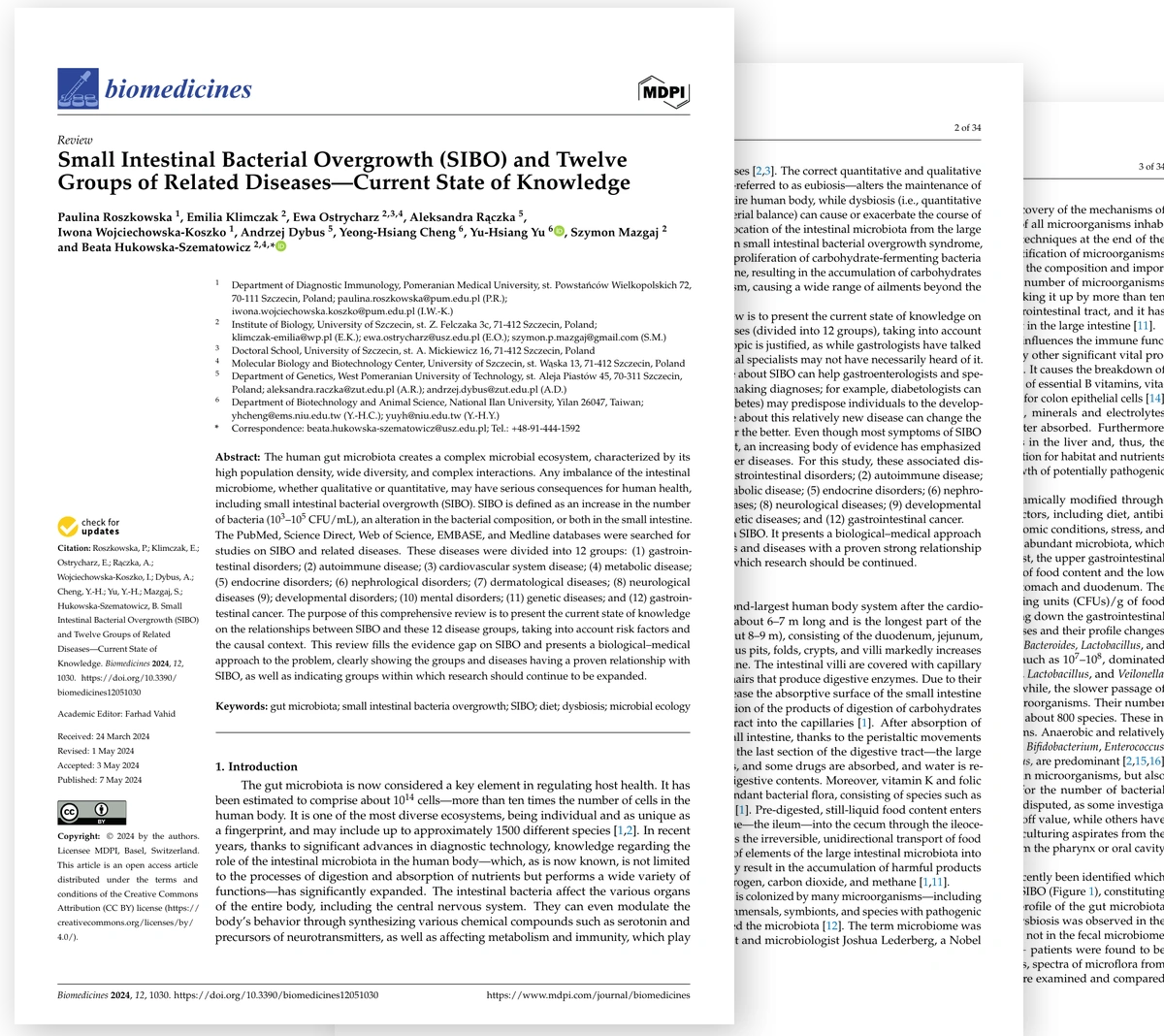
A 2024 study in Biomedicines mapped SIBO's links to 12 disease groups across the entire body. Explore each one below.

Gastrointestinal Disorders

51.7%

of IBS patients also test positive for SIBO — the most well-documented group

SIBO and gut disorders share a bidirectional relationship — each worsening the other. In Crohn’s disease, SIBO prevalence reaches up to 88%. Rifaximin therapy that eradicates SIBO has been shown to significantly reduce IBS and IBD symptoms.

Linked conditions

Autoimmune Disease

10×

higher SIBO prevalence in systemic sclerosis patients versus healthy controls

Systemic sclerosis (scleroderma) impairs intestinal motility and delays gut transit — creating ideal conditions for bacterial overgrowth. SIBO affects nearly half of all SSc patients. Fecal calprotectin ≥275 µg/g is a reliable screening marker.

Linked conditions

Cardiovascular Diseases

2.1×

association between SIBO and subclinical atheromatous plaques (2022 clinical study)

Reduced cardiac output causes intestinal ischemia, allowing bacteria to enter the bloodstream and trigger inflammation. SIBO is also linked to vitamin K2 deficiency — a key driver of atherosclerotic plaque formation and cardiovascular risk.

Linked conditions

Metabolic Diseases

78.9%

of hyperlipidemia patients tested positive for SIBO in clinical studies

SIBO is significantly more prevalent in both type 1 and type 2 diabetes, worsening glycemic control. Obesity patients face 2–3× higher SIBO risk. SIBO can trigger hyperlipidemia through disruption of enterohepatic bile acid circulation.

Linked conditions

Endocrine Disorders

50%+

of hypothyroidism patients are also found to have SIBO

Hypothyroidism slows intestinal motility, creating ideal conditions for bacterial overgrowth. Bacterial antigens may trigger Hashimoto’s and Graves’ disease via immune dysregulation. Levothyroxine use is a key independent predictor of SIBO development.

Linked conditions

Nephrological Disorders

33%

SIBO incidence confirmed in chronic kidney disease compared to healthy controls

Renal failure disrupts gut microbiome balance, promoting bacterial overgrowth. Uremic toxins produced by intestinal bacteria impair kidney tubule function. Increased gut permeability from SIBO allows toxins direct access to the bloodstream and kidneys.

Linked conditions

Dermatological Diseases

13×

more likely to have SIBO if you have rosacea — and treating SIBO cleared skin in 71% of cases

SIBO increases gut permeability, allowing pro-inflammatory cytokines to reach the skin via the gut–skin axis. In one landmark study, SIBO eradication led to complete rosacea clearance — sustained for 9 months or more after treatment.

Linked conditions

Neurological Diseases

~50%

of both Alzheimer’s and Parkinson’s patients test positive for SIBO

Via the gut–brain axis, SIBO produces toxic metabolites that reach the brain, triggering neuroinflammation. In Parkinson’s, SIBO impairs absorption of levodopa — the core treatment drug — and may independently worsen motor function.

Linked conditions

Developmental Disorders

31%

of autistic children test positive for SIBO — and SIBO worsens autism symptom scores

Children with autism and SIBO show significantly worse developmental scores than SIBO-negative autistic children. Treating SIBO — or improving gut flora through diet — has shown promise in alleviating gastrointestinal symptoms in ASD.

Linked conditions

Mental Disorders

↓34%

SIBO disrupts tryptophan metabolism — directly reducing serotonin (the “happiness hormone”) availability

SIBO patients show higher neuroticism, elevated anxiety, and lower extroversion than healthy controls. Rifaximin treatment improved mood disorders alongside gut symptoms in clinical trials, highlighting the direct gut–brain connection.

Linked conditions

Genetic Diseases

>50%

SIBO prevalence in cystic fibrosis patients due to CFTR gene mutation effects on gut motility

In cystic fibrosis, a CFTR gene mutation causes abnormal gut mucus, reducing motility and enabling overgrowth. In Familial Mediterranean Fever, SIBO reduces colchicine absorption, making the disease harder to manage and increasing flare severity.

Linked conditions

Gastrointestinal Cancers

↑2×

TLR2 & TLR4 immune receptor expression in SIBO-positive cancer patients – may actively promote progression

Post-operative colorectal and gastric cancer patients are significantly more likely to develop SIBO. In hepatocellular carcinoma, elevated TLR2 and TLR4 expression in SIBO-positive patients suggests SIBO may drive tumour development rather than merely co-exist with it.

Linked conditions
4.8/5 Rated

Over 30,000 Satisfied Customers

Loading reviews...

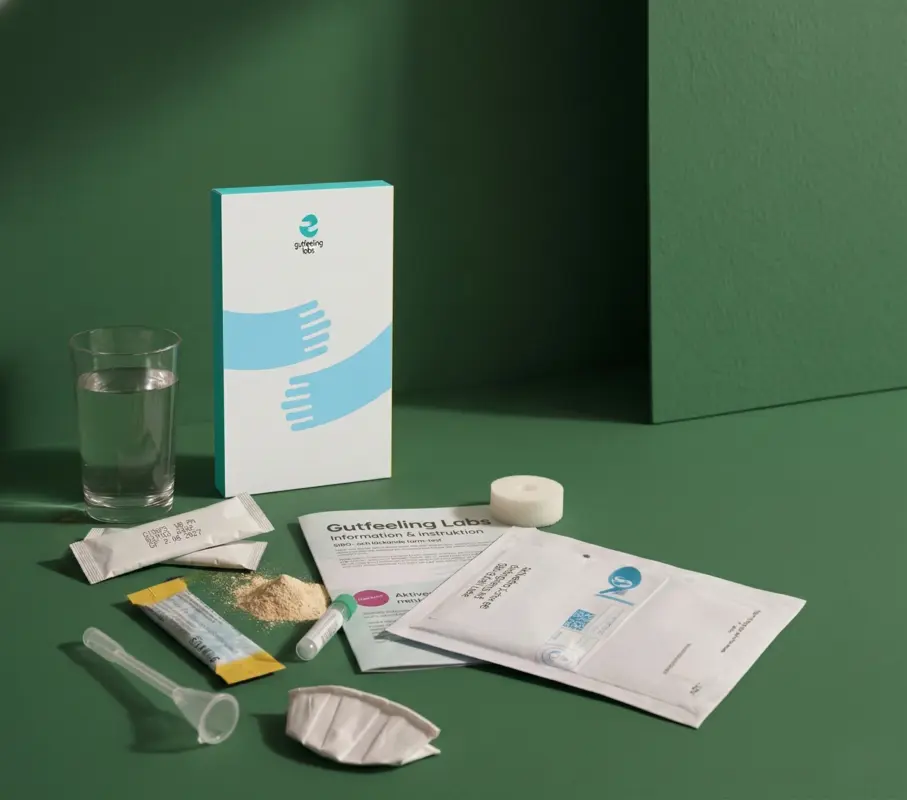
A closer look at the test process

01

Activate your test

Register your kit online so we can send your results.

02

Prepare for the test

For 48 hours, avoid the restricted foods, supplements, and products listed in the leaflet.

03

Mix & drink the solution

Empty your bladder, mix Fiber + Lactulose in water for 1 minute, drink it, then drink one more glass of water.

04

Wait 1.5 hours

Set a 90-minute alarm. You may eat after 20 minutes, but avoid coffee or tea.

05

Collect your sample

Urinate into the paper cup and use the pipette to fill the barcode tube halfway.

06

Boil, pack & send

Tighten the cap, boil the tube for 10 minutes, let it cool, seal it in the zip bag, and mail it.

A Complete Look Into Your Gut

Discover how your unique microbiome affects your health. Get an expert analysis of key findings plus a personalized coaching session to help you manage and heal microbiome-related conditions from within.

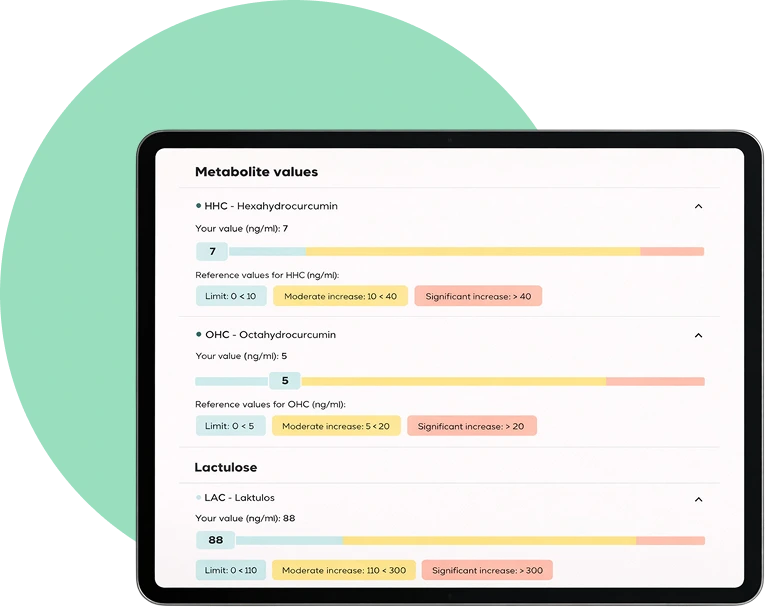
Metabolite Values

How the Science Works

Our test is based on three well-established principles. Measuring these bio-markers together provides a reliable view of intestinal permeability and bacterial presence in the small intestine.

<10ng/ml

Hexahydrocurcumin

A balanced gut microbiome supports digestion, energy, mood, immunity, and brain health.

<110µg/ml

Lactulose

A healthy gut barrier supports immune balance and protects long-term brain health.

<35µM

Trimethylamine N-Oxide

A healthy level associated with a lower risk of major cardiovascular events like heart attack and stroke

<20ng/ml

Imidazole propionate

A healthy level supports insulin sensitivity, balanced blood sugar and long-term metabolic and cardiovascular health.

What make us better

How Our Test Compares

Parameter Gutfeeling Labs Endoscopy Breath Test Stool Test
Technology Mass Spectrometry Bacterial Growth Biochemical Analysis Microscopy, DNA Analysis
Non-Invasive
At-Home Collection
Root Cause Analysis
Number of Samples 1
Expert Consultation 10 mins (Paid) Extra Cost
Cost €165 €900-€1200 €250–€600 €200–€500
Of continuous Research
0 Years
Of microbiome Data
0 TB
Samples Analyzed
0 K+
Microbes Detected
0 K

Driven by science

Meet the minds behind Gutfeeling Labs

Our advisory board includes Lund University science-based experts with high-level publications and patented research.

Quote

At Gutfeeling Labs, we set out to change how gut health is understood. Too many people struggle with persistent issues without clear answers. By combining advanced analytical science with practical insights, our goal is to replace uncertainty with clarity—and empower better health decisions.

Dr. Hans Fischer, PhD

Head of R&D & Co-Founder, Gutfeeling Labs
Assoc. Prof. of Immunology & Microbiology
Lund University

Quote

I’ve seen firsthand how frustrating it can be to search for answers to ongoing gut issues. Gutfeeling Labs was created to bridge the gap between complex science and real-life health decisions—offering clarity, accuracy, and guidance you can rely on.

Dr. Walter Fischer, MD PhD

CEO & Founder, Gutfeeling Labs
Assoc. Prof. of Neuroscience
Lund University

Introducing
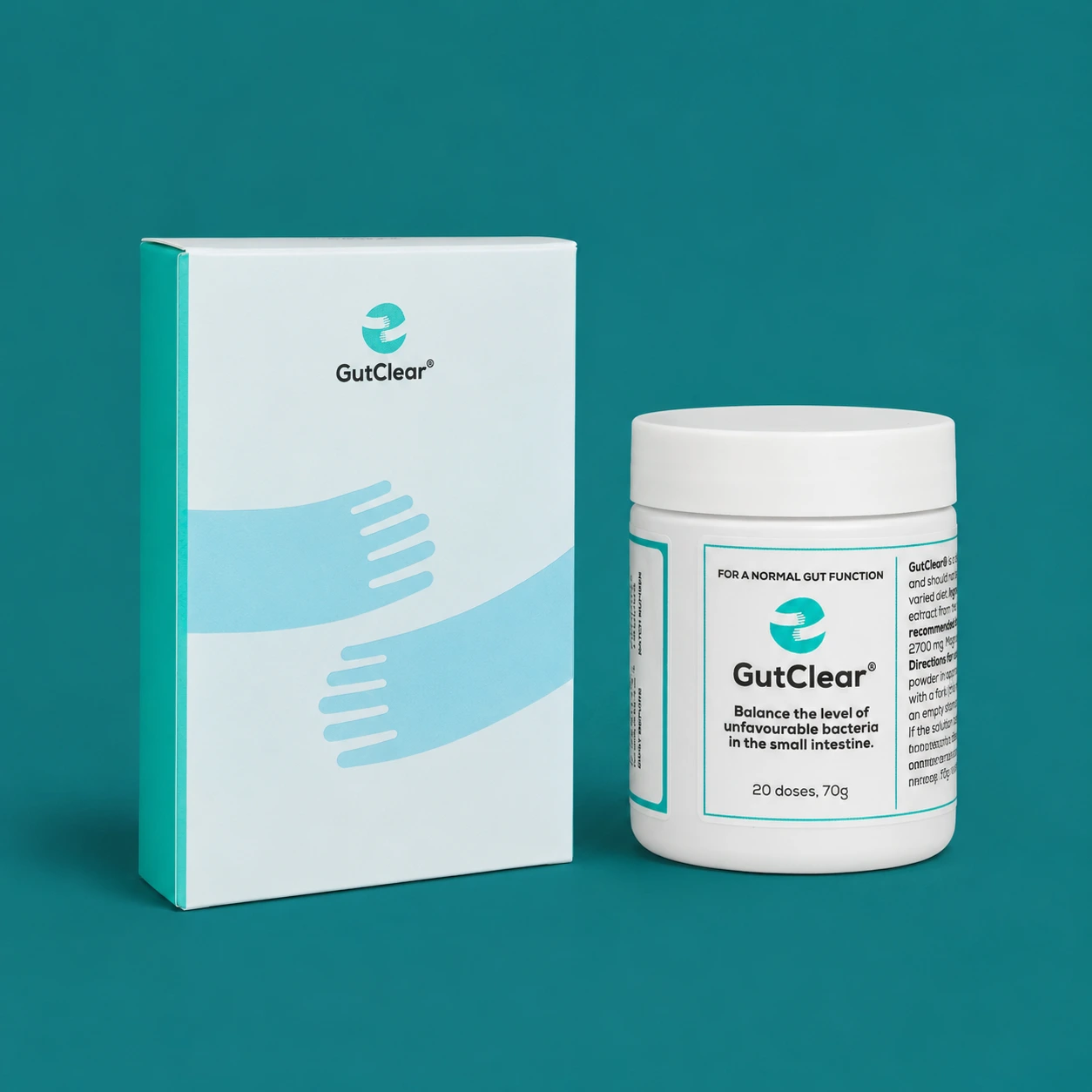
GutClear®

Designed To Rebalance Your Gut

leaf

Plant-based, science-backed formula

Supports smooth digestion and gut movement

Supports gut reset before changing diet

Gradient Circle
100% Natural

Reduces gut-driven body discomfort

Targets small-intestine bacterial overgrowth

Gentle on the colon gut microbiome

Product Users

Sold over 258 times last month

Start Feeling Better

Dr. Hans Fischer, PhD

Head of R&D & Co-Founder, Gutfeeling Labs
Associate Prof. of Immunology & Microbiology
Lund University

Hans
THE STORY BEHIND THE LAB
"I couldn't get a clear answer about my own gut. 
So I developed a test, to help myself - and others."

If you’ve ever felt unwell without knowing why, Hans has been there. That’s exactly why he built a test that gives you real answers.

How Hans overcame SIBO

Frequently asked
questions

We’ve got the answers

What does Four-in-one test tell me?

We analyze the presence of a well-known marker for leaky gut (lactulose) and bacterial metabolites that accumulate in the bladder during the 90 minutes it takes for the fiber solution to pass through your small intestine. Elevated levels of lactulose indicate increased intestinal permeability (leaky gut), while the presence of specific bacterial metabolites indicates SIBO.

Because our test detects metabolites from a broad range of gut bacteria, we can more reliably determine if bacteria are present in the small intestine. It only takes one metabolite exceeding the reference range for your condition to be classified as SIBO.

If your test result is positive for leaky gut and/or SIBO, you’ll receive personalized dietary and supplement advice, as well as suggestions for lifestyle changes to support your well-being.

What does the Four-in-one test measure?

The test measures the presence of a well-known marker for leaky gut (lactulose, not to be confused with lactose) and bacterial metabolites that can only be produced by bacteria as the fiber solution passes through the small intestine. The metabolites are detected using a highly advanced mass spectrometry system (Agilent Ultivo).

Why should I test for SIBO, Leaky Gut, Cardiovascular & Metabolic Riskfactors??

A sensitive and bloated stomach, food intolerances, joint and muscle pain, eczema, fatigue, brain fog, low mood, headaches, and sugar cravings may all be caused by leaky gut. One common cause of leaky gut is bacterial overgrowth in the small intestine (SIBO), which can develop due to factors such as chronic stress.

Does what I eat in the days before the test affect the results?

Yes, significantly. Avoid taking lactulose-based laxatives (Lactulose/Duphalac®), fermented foods, curry, turmeric, and curcumin supplements two days before the test. Bulk-forming or osmotic laxatives do not interfere with the analysis.

Can I take probiotic supplements and still do the test?

No. Since our test analyzes bacterial metabolites from bacteria in the small intestine, taking probiotics or synbiotics could affect the results by introducing additional bacteria.

What makes Gutfeeling Labs’ test unique?

We’ve developed a completely new method for SIBO, Leaky Gut, Cardiovascular & Metabolic Riskfactors. The test is based on mass spectrometry, identifying both a known marker for leaky gut (lactulose) and bacterial metabolites in a single analysis. This approach is unique on the market, as it measures metabolites from a wide range of bacteria (not just gas-producing ones) and uses a urine sample-allowing metabolites to accumulate in the bladder during the 90 minute passage of the fiber solution’s passage through the small intestine. By this, a significantly higher sensitivity for detecting bacteria in the small intestine is accomplished.

Can children and adolescents take the test for SIBO, Leaky Gut, Cardiovascular & Metabolic Riskfactors?

Yes-provided there is no allergy or sensitivity to the ingredients. The fiber solution contains compounds found in everyday foods: glucose, curcumin, and lactulose (the latter also forms when milk is heated). The powder is dissolved in a glass of water and the dosage is adjusted according to weight (e.g., adults drink a full glass, someone around 40 kg drinks half a glass, etc.).

Where are the analyses performed?

All analyses are carried out at our laboratory in Lund, Sweden, using commercial systems (Agilent) routinely used for clinical testing.

Who owns the test results?

The test data belongs to Gutfeeling Labs. We do not sell your test results, data, personal information, or similar. You can read more about how we comply with GDPR in our Privacy Policy.

How soon will I see results after testing positive for SIBO, Leaky Gut, Cardiovascular & Metabolic Riskfactors?

This varies greatly-from as little as one day to several months. It depends on how long leaky gut and/or SIBO has been present and how much of the small intestine is affected by SIBO. Our experience is that GutClear® speeds up the recovery.

Can I order a test for someone else?

Yes. The analysis is linked to a specific person and account only when the kit is registered (e-mail coupled to the test-kit-ID). Instructions for this process are included in the kit.

How fast will I receive my test kit?

Orders are usually shipped the following business day. International Delivery via PostNord typically takes 5–10 business days.

How long does the test kit stay valid?

Your test kit can be stored at room temperature for up to 18 months. Once the test is completed, it should be mailed ideally as soon as possible; however the sample is stable in room and outdoor temperature over 3 weeks.

Can this test diagnose diseases?

No, this is not a diagnostic test and cannot be used for medical diagnosis. It identifies conditions in the small intestine, but neither SIBO nor leaky gut nor TMAO are officially recognized medical diagnoses in Sweden.

Are results affected by pregnancy?

No, pregnancy does not affect the results.

Still Got Questions?

See all faqs