


If you want to calm an upset stomach, you can start with small changes: Herbal tea Chamomile or peppermint. Eating habits Observe which foods affect your symptoms. Plant-based ingredients For example, berberine and magnolia bark. Gut microbiota Introduce probiotics, prebiotics and fibre gradually. Gut motility Regular meals, fluids and movement. Stress Yoga, meditation, deep breathing and recovery. Fluids Drink regularly throughout the day. Movement Try a gentle walk after a meal. Every stomach is different. What works for one person may not work for another. Try making small changes and observe how your own stomach responds. If your symptoms recur or affect your everyday life, it may be more valuable to try to understand why your stomach is reacting rather than focusing only on relieving the symptoms.
There is no one solution that works for everyone, but small changes can help you understand what makes your own stomach feel better.
Tip | What you can try |
1. Try herbal tea | Chamomile and peppermint are traditionally used to support digestion. |
2. Observe your diet | Pay attention to which foods seem to trigger bloating, gas or other discomfort. |
3. Explore plant-based ingredients | Berberine and magnolia bark have been studied for their antimicrobial and bacteria-modulating properties. |
4. Introduce probiotics and prebiotics gradually | Some people may experience more gas or bloating when starting new products or increasing their fibre intake quickly. |
5. Support gut motility | Regular meals, fluids and everyday movement can support normal bowel function. |
6. Give your stomach time to recover | Stress can affect communication between the brain and the gut. Try yoga, meditation, deep breathing or other forms of relaxation. |
7. Drink regularly | Adequate fluid intake is important for normal body function and can be particularly important if you are prone to constipation. |
8. Move after meals | A gentle walk after a meal can be an easy way to stay active and may feel good when your stomach feels heavy. |
1. Try herbal tea
Chamomile and peppermint have traditionally been used to support digestion.
A warm cup of herbal tea can also be a simple way to stay hydrated and create a moment of calm after a meal.
2. Observe which foods affect your stomach
Food affects the stomach differently from person to person. Some people may react to large meals or foods containing high amounts of fermentable carbohydrates.
A low-FODMAP diet limits certain fermentable carbohydrates that may contribute to gas and bloating in sensitive individuals. It is used, among other things, for IBS and other functional gastrointestinal conditions.
Examples of foods commonly included in a low-FODMAP diet:
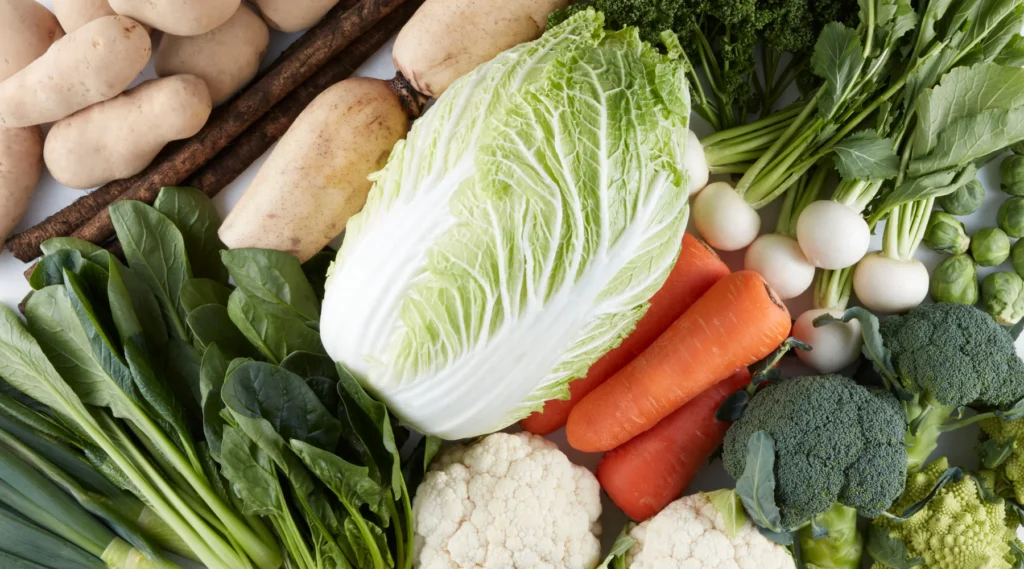
- Vegetables: carrots, cucumber, spinach, zucchini, tomatoes, lettuce
- Fruit and berries: blueberries, strawberries, oranges, grapes, kiwi
- Grains and cereals: rice, quinoa, oats
- Root vegetables: potatoes
A low-FODMAP diet is primarily a tool for symptom management and is not suitable for everyone. If you are considering following a more restrictive diet for a longer period, it may be helpful to seek advice from a dietitian.
3. Explore plant-based ingredients
Some plant-based ingredients have been studied for their antimicrobial or bacteria-modulating properties.
Examples include:
- Berberine
- Oregano oil
- Allicin, an active component of garlic
- Jatobá bark
- Magnolia bark
- Rhodiola rosea
Magnolia bark is particularly interesting in relation to the gut’s microbial environment and is found, among other things, in GutClear®.
Important: Natural does not automatically mean that something is suitable for everyone. Reactions can vary depending on the ingredient, amount and individual sensitivity.
4. Introduce probiotics and prebiotics gradually
Probiotics and prebiotics can affect the gut microbiota, but not everyone responds in the same way.
Probiotics are found in some fermented foods and dietary supplements.
Prebiotics are substances that serve as nourishment for certain bacteria in the gut.
For some people, new fermented foods, probiotics or a rapid increase in fibre intake can cause more gas and bloating.
If you have a sensitive stomach, it may therefore be helpful to:
- Start with small amounts.
- Introduce one thing at a time.
- Give your stomach time to adjust.
- Pay attention to how you react.
5. Support your gut’s natural motility
Gut motility helps move contents through the gastrointestinal tract.
You can support normal bowel function by:
- Eating regularly.
- Drinking enough fluids.
- Staying physically active.
- Avoiding sitting still for long periods.
Some plant-based ingredients, such as ginger and peppermint, have also traditionally been used to support digestion.
6. Manage stress and prioritise recovery
The stomach and brain communicate continuously through the gut-brain axis.
Stress can affect digestion and gut movements and, in some people, make digestive symptoms more noticeable.
You can try:
- Yoga
- Deep breathing
- Meditation
- A gentle walk
- Regular breaks
- Getting enough sleep
It does not have to be complicated. A few minutes of calm and recovery can be a good place to start.
7. Drink enough fluids
Fluids are important for normal body function and can be particularly important if you tend to experience constipation.
Water is a simple first choice.
Carbonated drinks, on the other hand, may contribute to a feeling of bloating in some people.
There is no exact amount of fluid that is right for everyone. Your needs vary depending on factors such as body size, physical activity, temperature and diet.
A simple way to start is to drink regularly throughout the day and observe how your stomach reacts.
8. Move – preferably after meals
You do not need to exercise intensely to add more movement to your everyday life.
For example, try:
- 10–20 minutes of walking
- Gentle yoga
- Cycling
- Other movement that feels good for your body
A gentle walk after a meal can be an easy way to stay active and may feel comfortable when your stomach feels heavy or bloated.
What can you do to calm an upset stomach quickly?
If your stomach feels unsettled right now, you can start with a few simple things:
Drink water → take a gentle walk → choose a smaller meal → avoid things you know trigger your symptoms → give yourself time to wind down.
There is no universal method that will calm the stomach immediately. What works best depends on what is causing your symptoms.
What can cause an upset stomach?
An upset stomach can have many different causes.
Possible factor | Examples of digestive symptoms |
Stress | Upset stomach, stomach cramps, changes in bowel habits |
Eating habits | Bloating, gas, discomfort |
Large meals | Heavy or swollen feeling |
Certain foods | Gas, bloating or diarrhoea |
Constipation | Bloating, abdominal discomfort |
IBS | Bloating, gas, diarrhoea or constipation |
SIBO | Bloating, gas and changes in bowel habits |
Other gastrointestinal conditions | Varying symptoms |
Since several conditions can cause similar symptoms, it is not possible to determine the cause based only on how your stomach feels.
Could SIBO be an explanation for digestive symptoms?
SIBO stands for Small Intestinal Bacterial Overgrowth and means an overgrowth of bacteria in the small intestine.
Common symptoms can include:
- Bloating
- Gas
- Abdominal pain or discomfort
- Diarrhoea
- Constipation
- Changes in bowel habits
However, the same symptoms can occur with many other gastrointestinal conditions.
Symptoms alone are therefore not enough to establish SIBO.
If you have recurring symptoms and suspect SIBO, it may be relevant to investigate this further.
Can GutClear® be used for SIBO?
GutClear® is a plant-based dietary supplement focused on the microbial environment in the gut.
If you suspect SIBO or have recurring digestive symptoms, it is important to first try to understand what may be behind the symptoms.
Dietary supplements do not replace medical assessment or treatment when this is needed.
When should you seek medical care for digestive symptoms?
Recurring or long-lasting symptoms may need to be investigated.
Contact a healthcare provider if your symptoms:
- are persistent or occur frequently
- affect your everyday life
- change noticeably over time
- do not improve despite changes to your diet and lifestyle
Seek medical care if digestive symptoms are accompanied by, for example:
- Unexplained weight loss
- Blood in the stool
- Persistent or severe abdominal pain
- Fever
- Persistent diarrhoea or vomiting
- Significant changes in bowel habits
A medical assessment can help identify or rule out other possible causes.