

Curcumin has received considerable attention from researchers in recent years. Interest in the therapeutic effects of curcumin is partly due to its antioxidant and anti-inflammatory properties, as well as its demonstrated positive effects in several types of cancer.
But what is the connection between turmeric, curcumin and health?
In this article, we look at turmeric’s active compound curcumin, its potential health benefits, and how gut bacteria can convert curcumin into bioactive compounds.
What is turmeric?
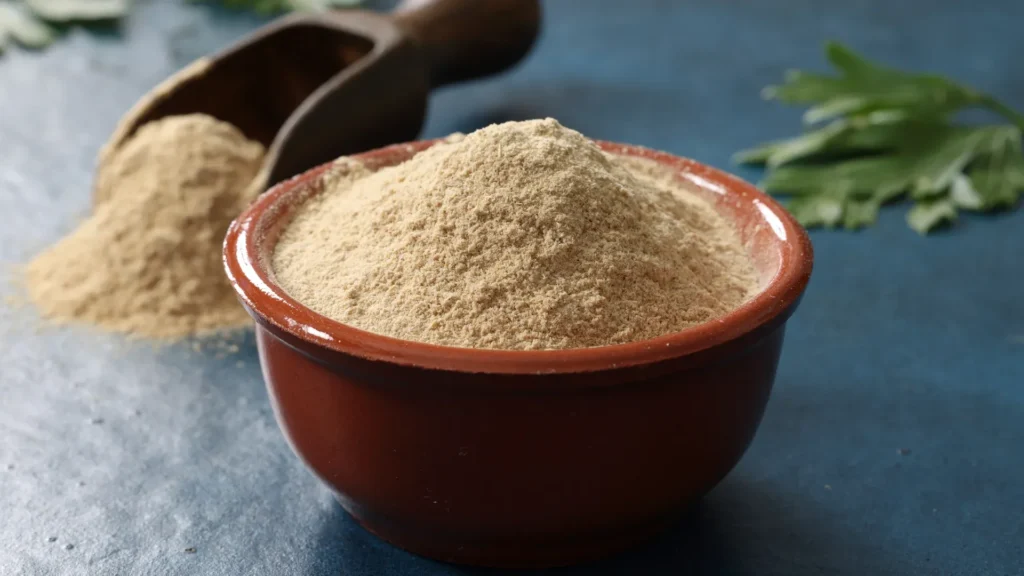
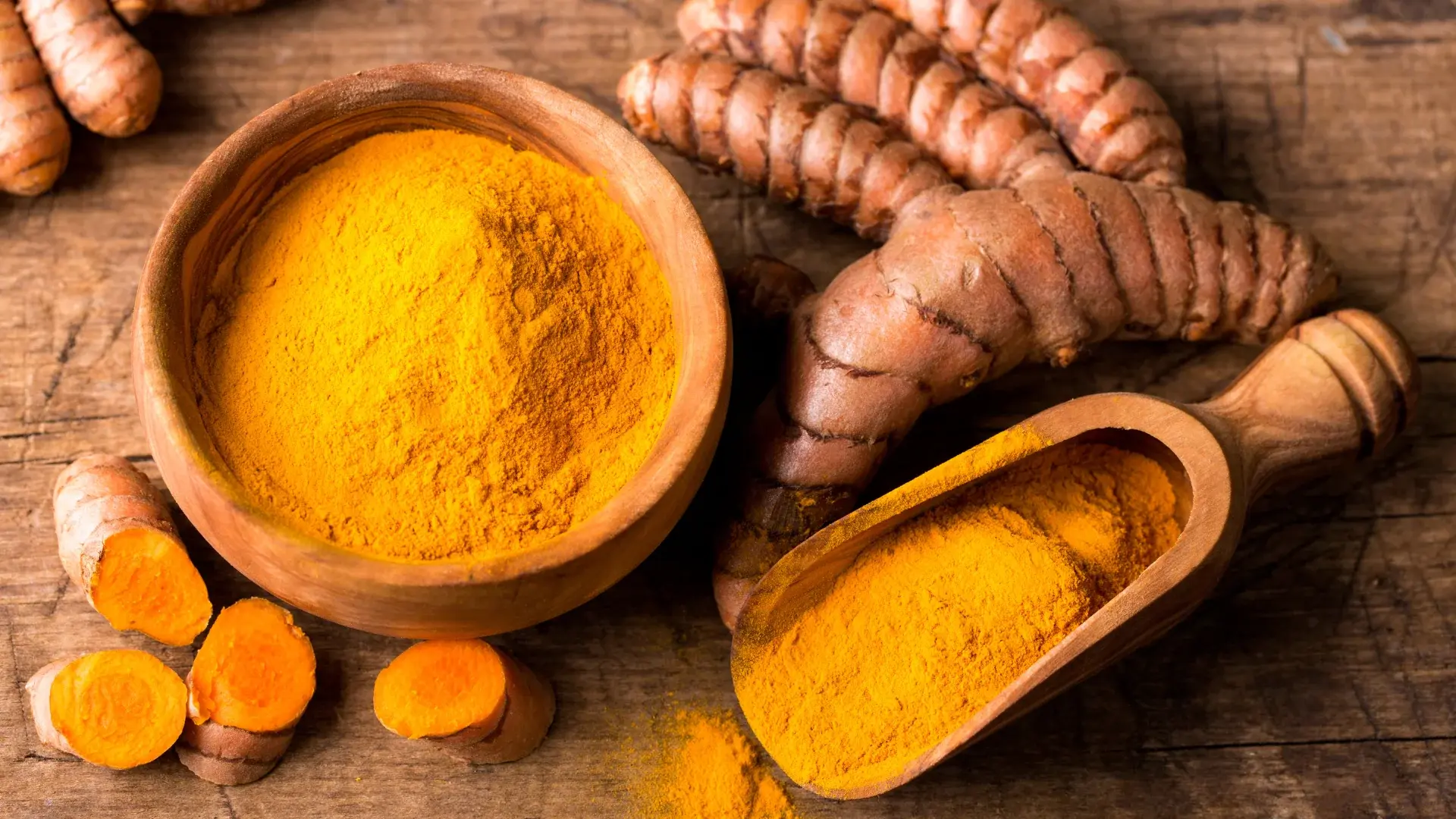
Turmeric belongs to the ginger family and is recognised by its bright yellow colour, which comes from the active compound curcumin.
Turmeric consists of approximately 5% curcumin, which is considered the biologically active compound in turmeric.
Curcumin has been used for centuries in East Asia as a natural remedy for the treatment of several diseases and is now increasingly used in the Western world because of its health-promoting properties.
What are the health benefits of turmeric’s curcumin?
Curcumin has shown positive effects in several different conditions.
Allergies
The anti-allergic properties of curcumin are linked to the inhibition of histamine release from mast cells.
Joint inflammation
There is promising evidence that 1,000 mg of curcumin daily for 8–12 weeks may help reduce pain and inflammation associated with arthritis, particularly osteoarthritis.

Intestinal inflammation
Research has shown that curcumin may help reduce the inflammatory response involved in inflammatory bowel diseases and thereby improve intestinal barrier function.
Atherosclerosis
Studies suggest that curcumin may counteract the development of atherosclerosis, or blocked arteries, which is an important risk factor for heart attack and stroke.
Ageing
Curcumin has strong antioxidant properties and may therefore inhibit the production of free radicals.
This gives it the potential to slow ageing by protecting cells from damage. Turmeric may also help stimulate new cell growth.
Cancer
Curcumin has been shown to influence several signalling pathways and inhibit cell proliferation, invasion and metastasis.
In animal studies, curcumin has directly or indirectly been shown to affect various genes or gene products involved in cancer.
Clinical studies have shown promising effects in pancreatic cancer, but further clinical trials are needed to evaluate the therapeutic applications of curcumin in cancer.
Metabolic syndrome and type 2 diabetes
Most studies suggest that curcumin may have beneficial effects on obesity and insulin resistance, as well as on various complications that may result from these conditions.
Why is curcumin’s bioavailability important?
Curcumin’s pharmacological effects have been debated because the compound is essentially not absorbed from the intestine.
To increase curcumin’s bioavailability, researchers have therefore investigated adding substances such as piperine, an alkaloid found in black pepper.
Piperine can increase the bioavailability of curcumin by 2,000%.
This is why you often see freshly ground black pepper in recipes for turmeric shots, for example. The purpose is to increase the bioavailability of turmeric.
How can the gut microbiota convert curcumin?
Because the intake of curcumin has shown positive health effects despite its low bioavailability, an Italian research group investigated whether curcumin could be converted into bioactive compounds in the intestine by gut bacteria – without adding black pepper.
The researchers showed that gut bacteria can convert curcumin into several biologically active compounds, including tetrahydrocurcumin.
Tetrahydrocurcumin has demonstrated stronger antioxidant effects compared with the original form of curcumin, known as the parent compound.
Which bacteria can convert curcumin?
Interestingly, several lactic acid bacteria have been shown to convert curcumin into active biometabolites such as tetrahydrocurcumin.
Examples of these bacteria include:
- Bifidobacterium longum
- Bifidobacterium pseudocatenulatum
- Lactobacillus acidophilus
- Lactobacillus casei
These lactic acid bacteria can be found in, among other things:
Food | Examples |
Fermented dairy products | Filmjölk, yoghurt and kefir |
Fermented foods | Fermented vegetables and kombucha |
Supplements | Lactic acid bacteria in capsules or chewable tablets |
Can curcumin and lactic acid bacteria have a synergistic effect?
In a study in mice, researchers found that the anti-allergic effect of Lactobacillus rhamnosus increased when turmeric (curcumin) was administered at the same time, with a further reduction in allergic inflammation.
This can essentially be described as a synbiotic effect.
The relationship between curcumin and the gut microbiota may also help explain the so-called paradox between curcumin’s low systemic bioavailability and its reported pharmacological activities.
In this case, the gut microbiota converts curcumin into the bioactive substance tetrahydrocurcumin, but probably also into up to 20 other bioactive compounds through the gut bacteria’s conversion of curcumin.
Can curcumin act as a prebiotic?
Recent research has shown that curcumin can function as a prebiotic, meaning that it can act as a substrate for bacterial metabolism.
This may contribute to an increase in beneficial bacteria, particularly bacteria belonging to the Bifidobacterium and Lactobacillus families.
This is particularly interesting because Bifidobacterium and Lactobacillus bacteria have been shown to be important for converting curcumin into the more potent metabolite tetrahydrocurcumin.
Turmeric, curcumin and the gut microbiota
The relationship can be summarised as:
Turmeric → curcumin → gut bacteria → bioactive metabolites
At the same time, curcumin can act as a substrate for certain bacteria and contribute to an increased proportion of some beneficial bacteria.
This makes the interaction between curcumin and the gut microbiota an interesting area of research into gut health.