

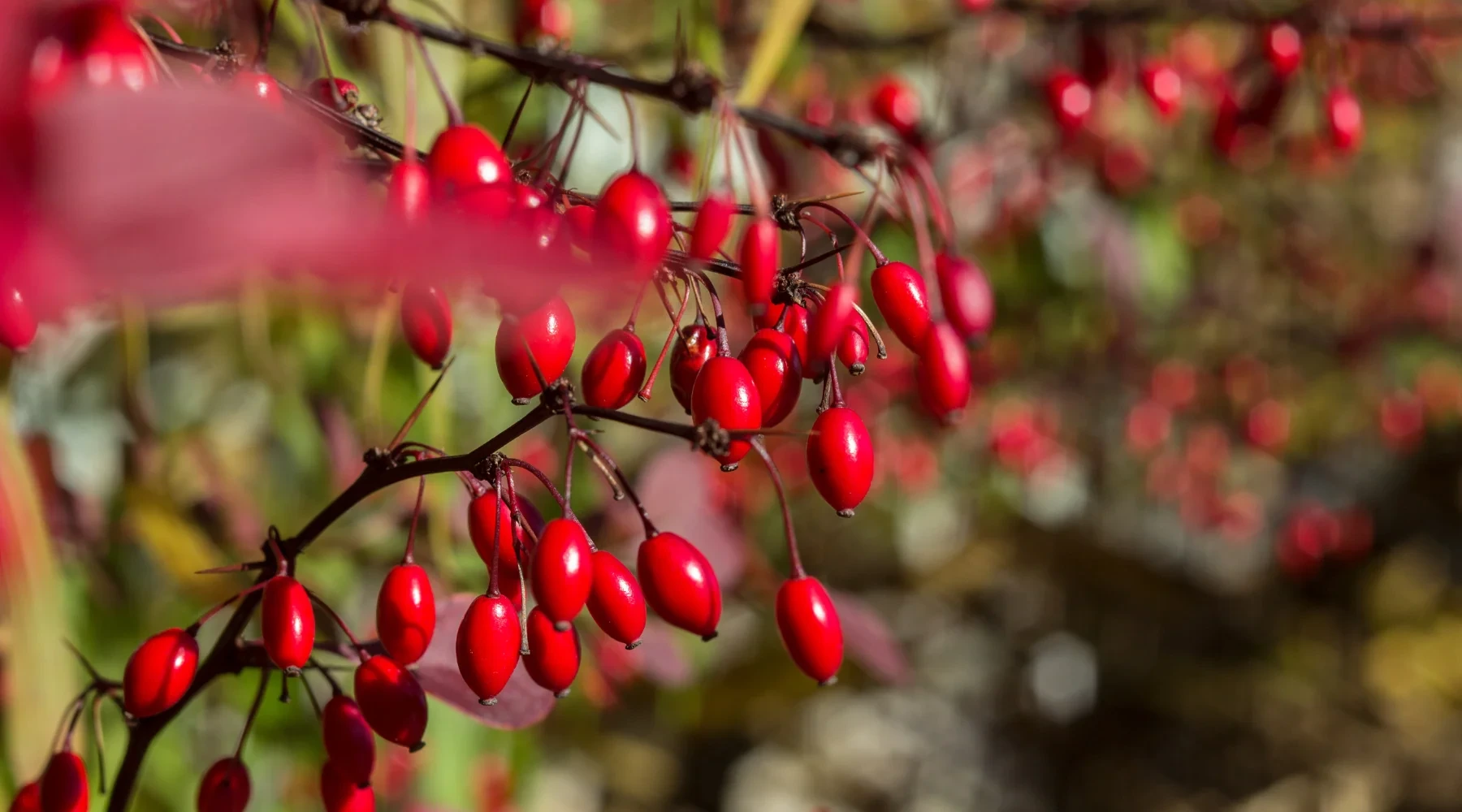
Which herbs are good for the stomach?
Several herbs have traditionally been used to support digestion and gastrointestinal comfort. Some examples include:
Berberine – a natural compound with antimicrobial properties that is of interest when looking at the microbial environment of the gut.
Magnolia bark – traditionally used for its calming and antimicrobial properties.
Ginger – may support normal gastrointestinal motility.
Peppermint – may influence gastrointestinal motility and is traditionally used for digestive discomfort.
Liquorice root – traditionally used to soothe the digestive system.
The effects of herbs can vary from person to person, and their suitability depends on the individual ingredient, amount and context in which it is used.
What is berberine good for?
Berberine is a natural compound found in several plants, including barberry. It has been used in traditional herbal medicine and has been studied for its antimicrobial and other biological properties.
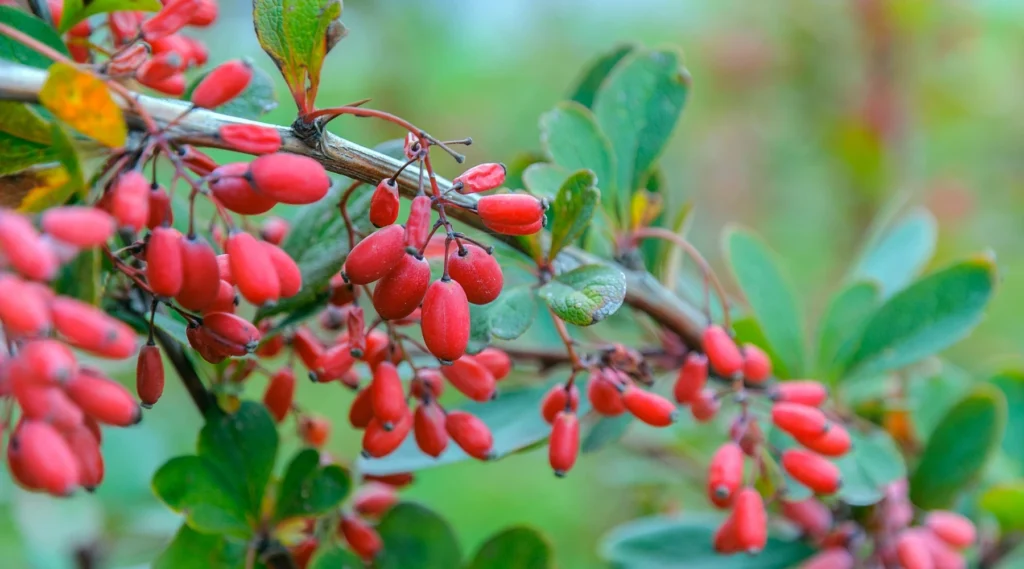
Berberine can interact with microorganisms in the gastrointestinal tract and is therefore of interest when studying the microbial environment of the gut.
Could berberine be relevant to SIBO?
SIBO, or Small Intestinal Bacterial Overgrowth, refers to an increased amount of bacteria in the small intestine.
Because berberine has antimicrobial properties, it has attracted interest in research and botanical approaches related to bacterial overgrowth and the microbial environment of the gastrointestinal tract.
However, SIBO is a complex condition in which several factors can play a role. Digestive symptoms can also have many different causes.
For this reason, experiencing bloating, abdominal discomfort or other digestive symptoms does not automatically mean that SIBO is the cause. Berberine should also not be considered a substitute for appropriate medical assessment.
What is magnolia bark good for?
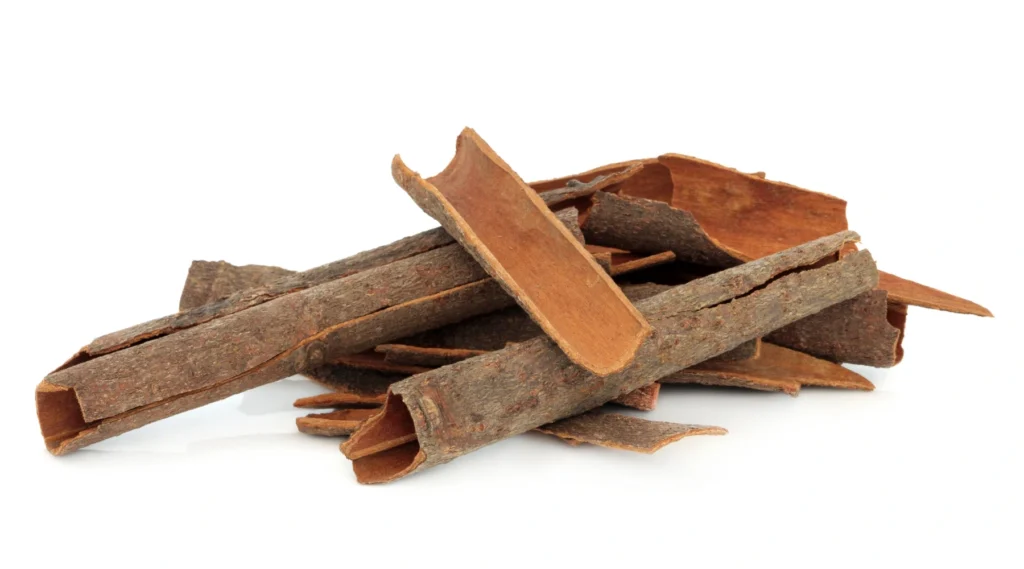
Magnolia bark has been used in traditional Chinese medicine for a long time.
The bark contains several bioactive compounds, including honokiol and magnolol, which have been studied for their biological properties.
Magnolia bark is also interesting from a stress perspective. Stress can influence communication between the brain and the gut through the gut-brain axis, and this is one reason why botanicals traditionally associated with calming effects are of interest in the context of digestive health.
However, this does not mean that magnolia bark treats stress-related digestive problems. More research is needed to understand how these compounds may affect people in different situations.
Why does GutClear® contain berberine and magnolia bark?
After analyzing the gut microbiota of more than 10,000 people in Sweden, we observed indications of potentially unfavorable bacterial overgrowth in the small intestine among many people with digestive symptoms.
This led us to spend several years exploring botanical ingredients that could be used in a formulation focused on the microbial environment of the small intestine.
We initially explored ingredients such as rhodiola and jatoba in the context of SIBO and IBS-like symptoms. When the effects were not consistent in all cases, we continued looking for other botanical ingredients with antimicrobial or bacteria-modulating properties.
After evaluating a range of botanical ingredients, Gutfeeling Labs identified berberine as a potential complement to jatoba and rhodiola.
This work led to a new version of the GutClear® dietary supplement.
Because berberine has a naturally bitter taste, we developed GutClear® in capsule form, combining berberine and magnolia bark.
Can herbs cause digestive problems?
Yes. Natural ingredients can still affect the digestive system and the rest of the body.
Some people may experience digestive discomfort or other reactions depending on the ingredient, amount and individual sensitivity.
If you are taking medication, are pregnant or breastfeeding, or have an underlying health condition, it is advisable to discuss the use of herbal supplements with a healthcare professional before taking them.