

How can you support the vagus nerve? And what role does the vagus nerve play in stress, digestion and communication between the gut and the brain?
The vagus nerve is an important part of the parasympathetic nervous system, which helps the body slow down, recover and regulate functions such as heart rate and digestion.
The vagus nerve is also an important part of communication between the gut and the brain. This is why researchers are increasingly interested in how vagus nerve activity may be influenced by stress, diet, the gut microbiota and lifestyle.
In this article, we look at what the vagus nerve is, how it is connected to the gut and which simple habits may help support its function.
What Is the Vagus Nerve?
The vagus nerve is the longest cranial nerve in the body and runs from the brain to several organs, including the heart, lungs and gastrointestinal tract.
It is an important part of the parasympathetic nervous system – the part of the nervous system that helps the body rest and recover.
The vagus nerve is also central to the gut-brain axis, the two-way communication that takes place between the brain and the gastrointestinal tract.
This is why the gut and brain can influence each other. Stress, for example, can affect the stomach, while digestive discomfort can also affect how we feel.
What Does the Vagus Nerve Do in the Body?
The vagus nerve has many functions and is involved in, among other things:
- Digestion and gut motility
- Communication between the gut and brain
- Regulation of heart rate
- The body’s recovery after stress
- Communication between the nervous system and immune system
A well-functioning vagus nerve is therefore an important part of the body’s ability to switch between activity and recovery.
How Does Stress Affect the Vagus Nerve?
During stress, the sympathetic nervous system is activated, contributing to the body’s so-called fight-or-flight response.
When stress is short-lived, this is a normal and important reaction. Problems can arise when the body remains in a state of stress for longer periods.
Prolonged stress can reduce vagal activity while also affecting normal gut movements. This can, in turn, contribute to digestive symptoms such as:
- Bloating
- Abdominal discomfort
- Changes in bowel movements
- Constipation or diarrhoea
- Acid reflux
This is one reason why stress management can be an important part of supporting both the nervous system and the gut.
Can the Vagus Nerve Affect Gut Function?
Yes. The vagus nerve is part of the communication system involved in regulating gastrointestinal function.

Gut motility helps move food and intestinal contents through the gastrointestinal tract. Between meals, the migrating motor complex, MMC, helps move remaining contents through the small intestine.
When gut motility functions properly, it contributes to efficient movement through the small intestine.
This is particularly interesting in relation to SIBO, where bacteria are present in excessive amounts in the small intestine.
Is There a Connection Between the Vagus Nerve and SIBO?
Research has investigated the relationship between vagus nerve function, gut motility and SIBO.
Disrupted gut motility can cause contents to remain in the small intestine for longer, which may create conditions that favour bacterial overgrowth. At the same time, an altered gut environment may affect communication between the gut and the nervous system.
This means that stress, the vagus nerve, gut motility and the gut microbiota may be parts of the same larger system.
How Can You Support the Vagus Nerve?
There are several simple ways to create better conditions for vagus nerve activity in everyday life.
1. Try Conscious Breathing
Slow, conscious breathing can help the body move from a state of stress towards a calmer state.
One simple exercise is box breathing:
- Inhale for 4 seconds
- Hold your breath for 4 seconds
- Exhale for 4 seconds
- Hold your breath for 4 seconds
Repeat a few times and try to keep your breathing calm and steady.
2. Take Regular Breaks
Short breaks during the day can give the nervous system an opportunity to recover.
For example, pause for a few minutes, put your phone away and focus on your breathing or simply be present in the moment.
3. Eat More Mindfully
Mealtimes can also be an opportunity to slow down.
Try to:
- Eat in a calm environment
- Chew your food thoroughly
- Pay attention to taste and texture
- Avoid eating in front of the computer or while scrolling on your phone
The goal is not to make every meal perfect, but to give the body better conditions for digestion and recovery.
4. Try Yoga or Mindfulness
Yoga, meditation and mindfulness can help reduce stress and create a calmer state in the body.
Forms of yoga that include relaxation and deep breathing may be particularly interesting when the goal is to combine movement with recovery.
5. Exercise Regularly
Regular, moderate physical activity is beneficial for both the body and nervous system.
A walk, easy run or another activity you enjoy can be a simple way to incorporate more movement into everyday life.
6. Spend Time in Nature
Nature walks can be an easy way to combine physical activity with recovery.
Try to be present in your surroundings instead of constantly using your phone or other distractions.
7. Try Short Exposure to Cold
Short periods of cold exposure, such as a cold shower, have been linked in research to changes in the autonomic nervous system and vagus nerve activity.
If you want to try it, start gently and gradually become accustomed to colder water.
8. Smile and Spend Time with Others
Social connection, presence and positive emotions are also part of the body’s recovery.
Being present during conversations, listening actively and spending time with people you enjoy can be simple ways to create more calm in everyday life.
Can Diet Affect the Vagus Nerve?
Diet can influence both the gut microbiota and the nervous system, which makes nutrition relevant when discussing the gut-brain axis.
Certain nutrients and plant compounds have been studied for their possible effects on the nervous system and vagus nerve function.
Examples discussed in research include:
Omega-3:
Omega-3 fatty acids from foods such as oily fish play an important role in normal body function and have also been studied in relation to the nervous system.
Antioxidant-rich foods:
Green tea and berries contain antioxidants and can be part of a varied and nutritious diet.
Plant-based compounds:
Ginseng, ashwagandha and rhodiola have, among other things, been studied for their potential effects on the body’s stress response.
It is important to view these as parts of a broader picture rather than as individual solutions for the vagus nerve.
Can the Gut Microbiota Affect the Vagus Nerve?
Yes, the gut microbiota and nervous system communicate in several ways through the gut-brain axis.
Gut bacteria can produce substances that affect the nervous system and the body’s immune system. The vagus nerve is one of the pathways that helps carry information between the gut and brain.
This is a growing area of research, including investigations into how changes in the gut microbiota may affect stress, mood and nervous system function.
How Are the Vagus Nerve, Stress and the Gut Connected?
The relationship can be simplified as follows:
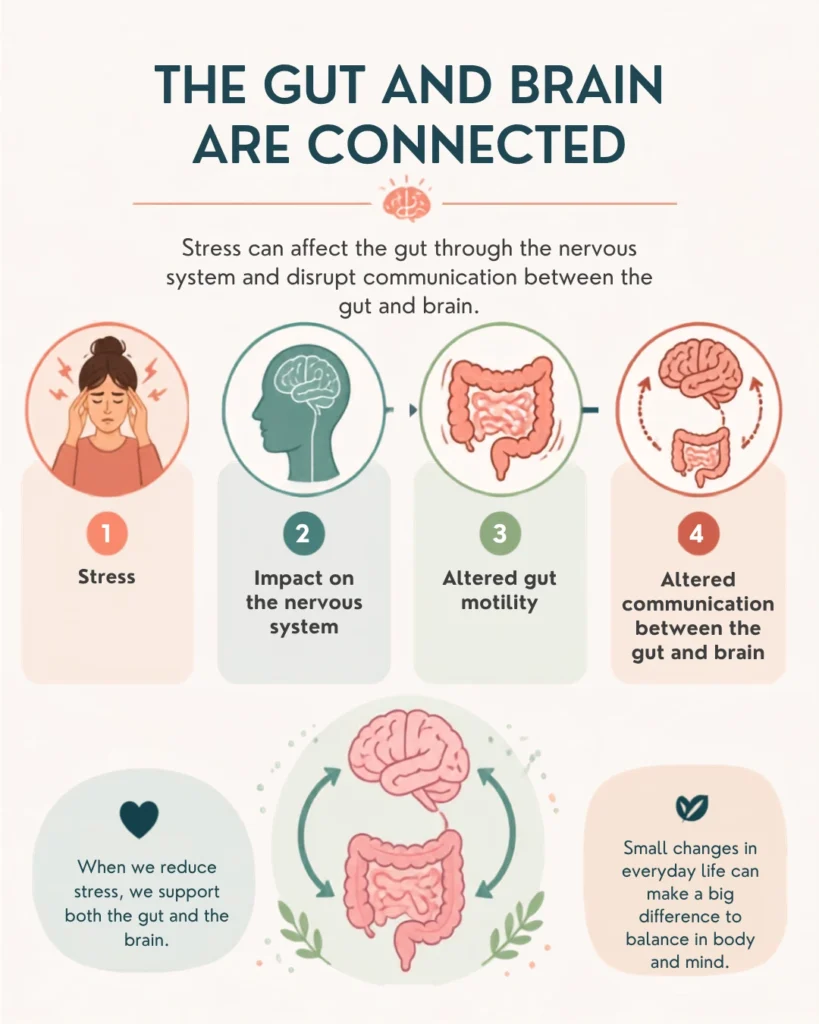
At the same time, communication works in both directions. An unsettled or imbalanced gut can also affect how we feel.
It is therefore often more helpful to view stress, gut function, the gut microbiota and the nervous system as parts of the same system, rather than focusing on a single factor.
8 Simple Habits to Support the Vagus Nerve
If you want to start simply, you can focus on a few habits:
- Breathe calmly – try a few minutes of conscious breathing.
- Take breaks – give your body time to slow down during the day.
- Eat mindfully – sit down, chew thoroughly and avoid distractions.
- Try yoga or mindfulness – especially if you often feel stressed.
- Move your body – walking and moderate exercise can support normal body function.
- Spend time in nature – combine movement with recovery.
- Try short exposure to cold.
- Prioritise social connection and recovery – calm activities and positive social settings are part of a balanced nervous system.
Can GutClear® Support the Vagus Nerve?
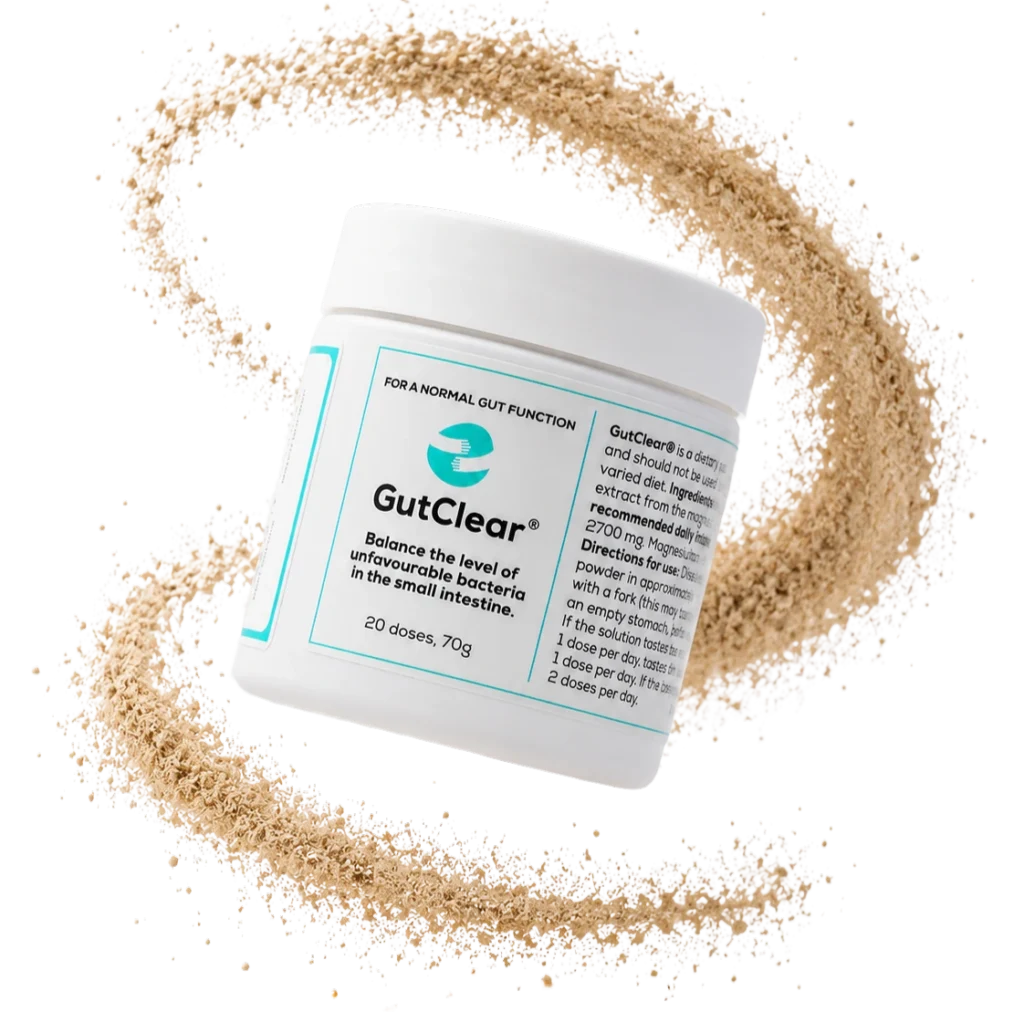
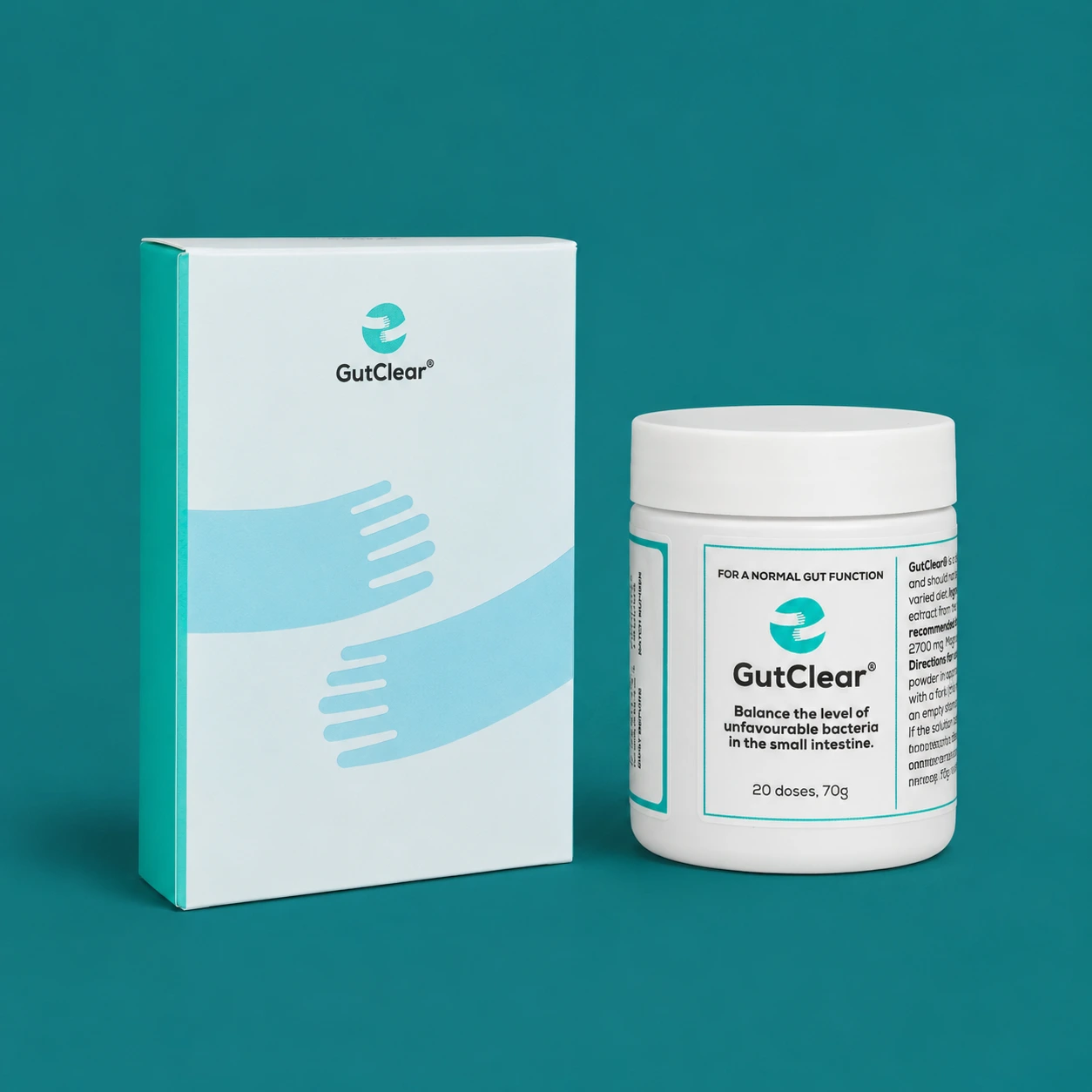
Gutfeeling Labs recommends GutClear® as part of a broader focus on the gut environment.
GutClear® was developed with a focus on the small intestine. Gutfeeling Labs describes the product as a botanical supplement that may help balance gut bacteria.
Because the gut and brain communicate through the gut-brain axis, a well-functioning gut environment is also relevant when discussing nervous system function.
However, it is important to view GutClear® as part of a broader programme together with dietary and lifestyle habits.