


A bloated stomach between meals can have many possible causes. SIBO is one possible explanation, especially when bloating occurs together with gas, abdominal cramps and changes in bowel habits. SIBO means an overgrowth of bacteria in the small intestine. Chronic stress, reduced intestinal motility, altered function of the valve between the small and large intestine and frequent snacking can contribute to an environment in which bacterial overgrowth may develop more easily. If you suspect SIBO, a SIBO test may be one way to investigate whether bacterial overgrowth could be part of the explanation. GutClear® was developed to support a balanced gut environment and is targeted toward bacterial overgrowth in the small intestine. For many people, a combination of targeted measures, dietary changes, stress management and support for the gut environment may be part of the path toward better digestive function. Read more about the Four-in-One Test to find out whether you have SIBO and other hidden risk factors that may affect your overall health.
Do you often have a bloated, tight or tender stomach – even between meals? If your bloating occurs regularly and you also experience gas, abdominal pain or changes in bowel habits, SIBO may be one possible explanation.
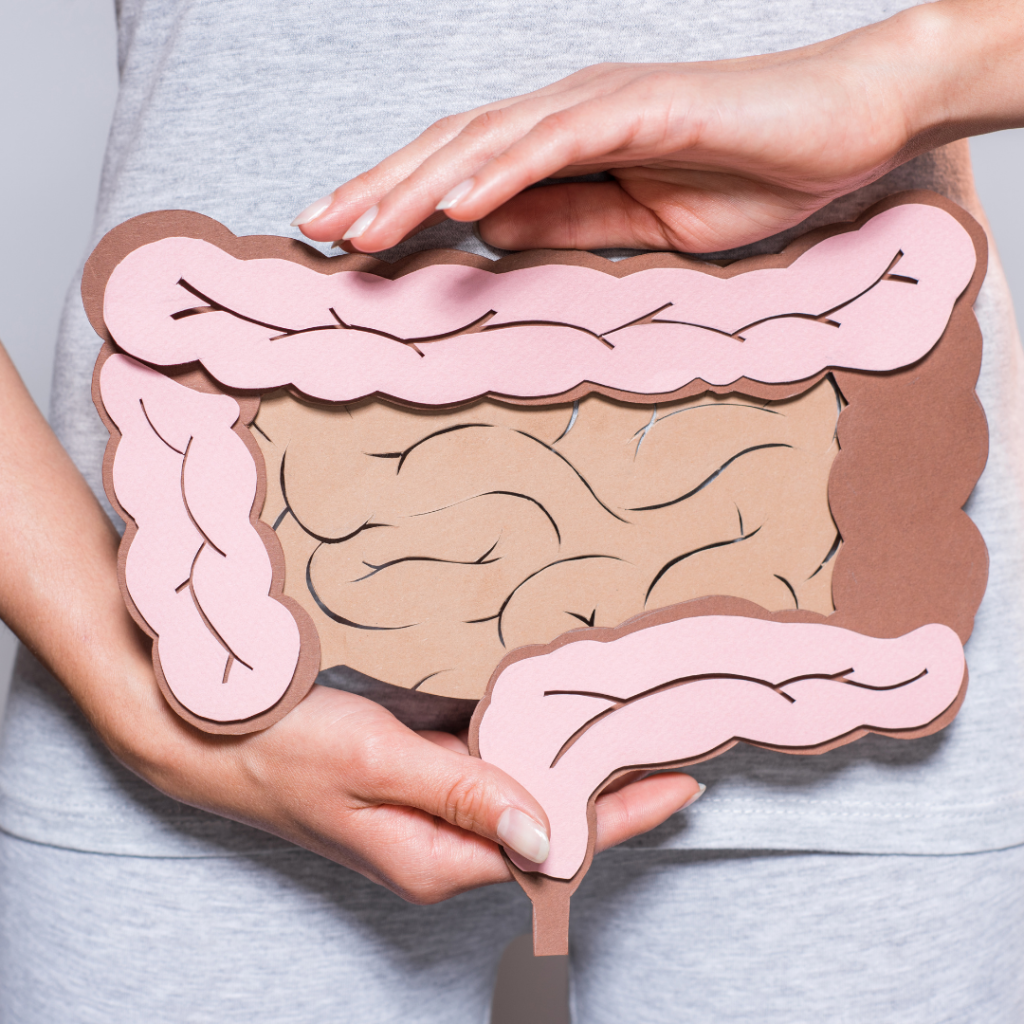
SIBO stands for Small Intestinal Bacterial Overgrowth and means an overgrowth of bacteria in the small intestine. Normally, the small intestine contains significantly fewer bacteria than the large intestine. When bacteria are present in the wrong part of the gut, namely the small intestine, they can ferment food in a way that leads to increased gas production and bloating already in the small intestine. This can contribute to a swollen and tender stomach between meals.
What is SIBO?
One of the small intestine’s main functions is to break down food and absorb nutrients into the bloodstream. Unlike the large intestine, the small intestine is not designed to handle large amounts of bacteria.
When bacteria colonize the small intestine (SIBO), they can begin fermenting carbohydrates before the food reaches the large intestine. This can lead to increased gas production and contribute to bloating, abdominal cramps and other digestive symptoms.
The bacteria in the small intestine can also have access to a range of nutrients, including amino acids, as well as minerals such as iron and vitamins. Research has shown that bacteria can convert the amino acids histidine and tryptamine into metabolites associated with an increased risk of cardiovascular disease, diabetes, increased abdominal fat, as well as anxiety and depression.
Can SIBO cause a bloated stomach?
Yes, SIBO can be one possible cause of recurring bloating.
When bacteria in the small intestine ferment food, gases can be produced. This can make the stomach feel tight, swollen or tender, sometimes during or shortly after a meal and sometimes even between meals.
Common symptoms that can occur with SIBO include:
- Bloating
- Gas
- Abdominal cramps or pain
- Diarrhea or constipation
- A feeling of fullness after meals
- Fatigue
- Brain fog
- Diffuse joint or muscle pain
- Skin problems, such as rosacea
SIBO can cause symptoms similar to other gastrointestinal conditions, which can sometimes make it difficult to identify what is actually causing the symptoms.
Why does SIBO develop?
Several factors can contribute to the development of SIBO. One important factor is how effectively the small intestine transports its contents forward.
Chronic stress and slow intestinal movement
Chronic stress can affect normal bowel movements and digestion. Reduced intestinal motility can cause contents to remain in the small intestine for longer, which may create more favorable conditions for bacteria to grow.
Stress can also affect communication between the brain and the gut through the enteric nervous system and the vagus nerve.
A weakened valve between the small and large intestine
Between the small and large intestine is a valve that helps regulate the passage between the two parts of the gut.
If this function is impaired, bacteria from the large intestine may more easily move back into the small intestine. This can contribute to an unfavorable distribution of bacteria in the small intestine (SIBO).
Snacking between meals
Eating frequently can affect the so-called migrating motor complex (MMC). The MMC is a specific pattern of nervous and muscular activity in the intestinal wall that helps move contents through the small intestine between meals, when the stomach is empty.
Frequent snacking may therefore be one factor that gives bacteria more access to nutrients in the small intestine while also reducing intestinal motility. In this way, bacteria may have more opportunity to grow in the small intestine.
What does SIBO feel like?
SIBO can feel different from person to person, but a common pattern is recurring bloating and gas together with other digestive symptoms.
You may experience:
- Your stomach becoming swollen during or after meals
- A tight or bloated stomach even between meals
- A lot of gas or belching
- Abdominal cramps or discomfort
- Constipation or diarrhea
- Fatigue or brain fog
- Certain foods becoming more difficult to tolerate
Because these symptoms overlap with several other gastrointestinal conditions, it is not possible to determine whether you have SIBO based on symptoms alone.
How do you know if you have SIBO?
A common way to investigate SIBO is a breath test.
During the test, you drink a specific sugar solution and the levels of hydrogen and methane in your breath are measured at several time points. The results can provide information about how bacteria ferment the solution and may be used as part of an assessment for SIBO.
In some cases, SIBO can be identified using a breath test, but the accuracy of these tests varies. Research has shown that sensitivity – the ability to correctly identify the condition – is around 55% for breath testing.
If you have recurring bloating and other digestive symptoms, a SIBO test (Four-in-One Test) may be one way to investigate whether bacterial overgrowth could be part of the explanation.
Gutfeeling Labs has developed a urine test for SIBO, leaky gut and bacterial metabolites associated with health concerns.
Can SIBO be mistaken for IBS?
Yes. SIBO and IBS can cause similar symptoms, including bloating, gas, abdominal pain, constipation and diarrhea.
Research has shown an association between SIBO and IBS. A study by Ghoshal, Shukla and Ghoshal reported that more than 85% of people with IBS in the study group tested positive for SIBO. At the same time, a significant proportion of healthy control participants also tested positive, which shows why the results need to be interpreted with caution.
SIBO and IBS are not the same thing, and a positive test result needs to be assessed in the context of the individual’s symptoms and overall situation.
What can you do if you have SIBO?
What is appropriate depends on what is contributing to the bacterial overgrowth and which symptoms you experience.
Common strategies may include:
- Reducing bacterial overgrowth in the small intestine
- Identifying and addressing underlying factors
- Adjusting the diet according to individual needs
- Reviewing meal patterns and avoiding constant snacking
- Supporting normal intestinal motility
- Working with stress management and recovery
- Using targeted products or medications as part of an individualized program
A low-FODMAP diet can reduce the amount of fermentable carbohydrates reaching bacteria and may therefore reduce gas production and some symptoms in certain people. However, it may not be the right solution for everyone and should not automatically be used as a long-term dietary strategy without individual assessment.
Can GutClear® help with SIBO?
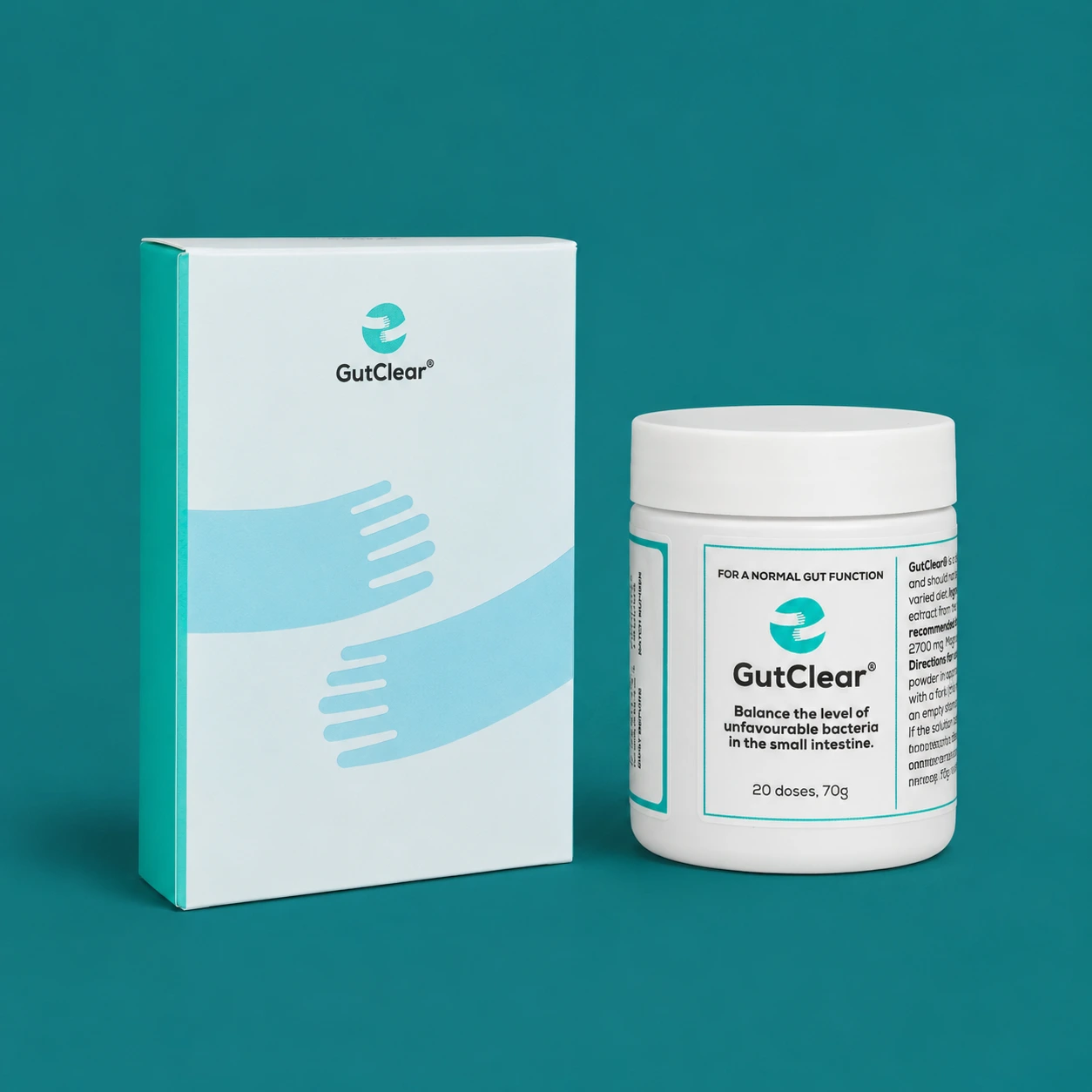
GutClear® was developed to support a balanced gut environment and is targeted toward bacterial overgrowth in the small intestine.
GutClear® contains a plant-based, scientifically based formula and is used as part of a broader program to support gut health.
Our experience is that many people with digestive symptoms have experienced improvements after using GutClear®. The product is designed to support the restoration of the balance of bacteria in the gut and can be used as part of a program for people with SIBO-related symptoms.
GutClear® should be combined with dietary and lifestyle changes to support long-term improvements in the gut environment.
Individual results may vary.
Can a high-fiber diet make SIBO worse?
It can for some people.
Fiber is generally important for a healthy gut and should not be avoided without reason. However, if fiber is fermented by bacteria already in the small intestine, this may contribute to a range of health issues.
If there is an overgrowth of bacteria in the small intestine, a sudden increase in fiber intake may even increase gas production and bloating in some people.
If SIBO is suspected or confirmed, it may therefore be more relevant to first understand what is driving the symptoms and then adjust the diet individually.
What can you do if you are bloated all the time?
If you regularly feel bloated, it is important not to automatically assume that it is simply caused by the food you eat.
Start by paying attention to:
- When during the day the bloating occurs
- Whether it appears before or after meals
- Which foods seem to affect your symptoms
- How often you have bowel movements
- Whether you also experience gas, abdominal pain, constipation or diarrhea
- Whether stress affects your symptoms
- Whether you eat frequently between meals
If your symptoms continue despite changes to your diet and lifestyle, it may be worth investigating possible underlying causes with a SIBO test.
When should you seek medical care?
Recurring bloating can have many possible causes, and SIBO is only one of them.
Contact a healthcare professional if your symptoms are persistent, occur frequently or affect your everyday life.
Seek medical care particularly if you experience:
- Severe or persistent abdominal pain
- Blood in the stool
- Unintentional weight loss
- Fever
- Recurring vomiting
- Difficulty swallowing
- Other new or serious symptoms
A medical assessment can help rule out other possible causes of your symptoms.