Hans´ initial struggles with health
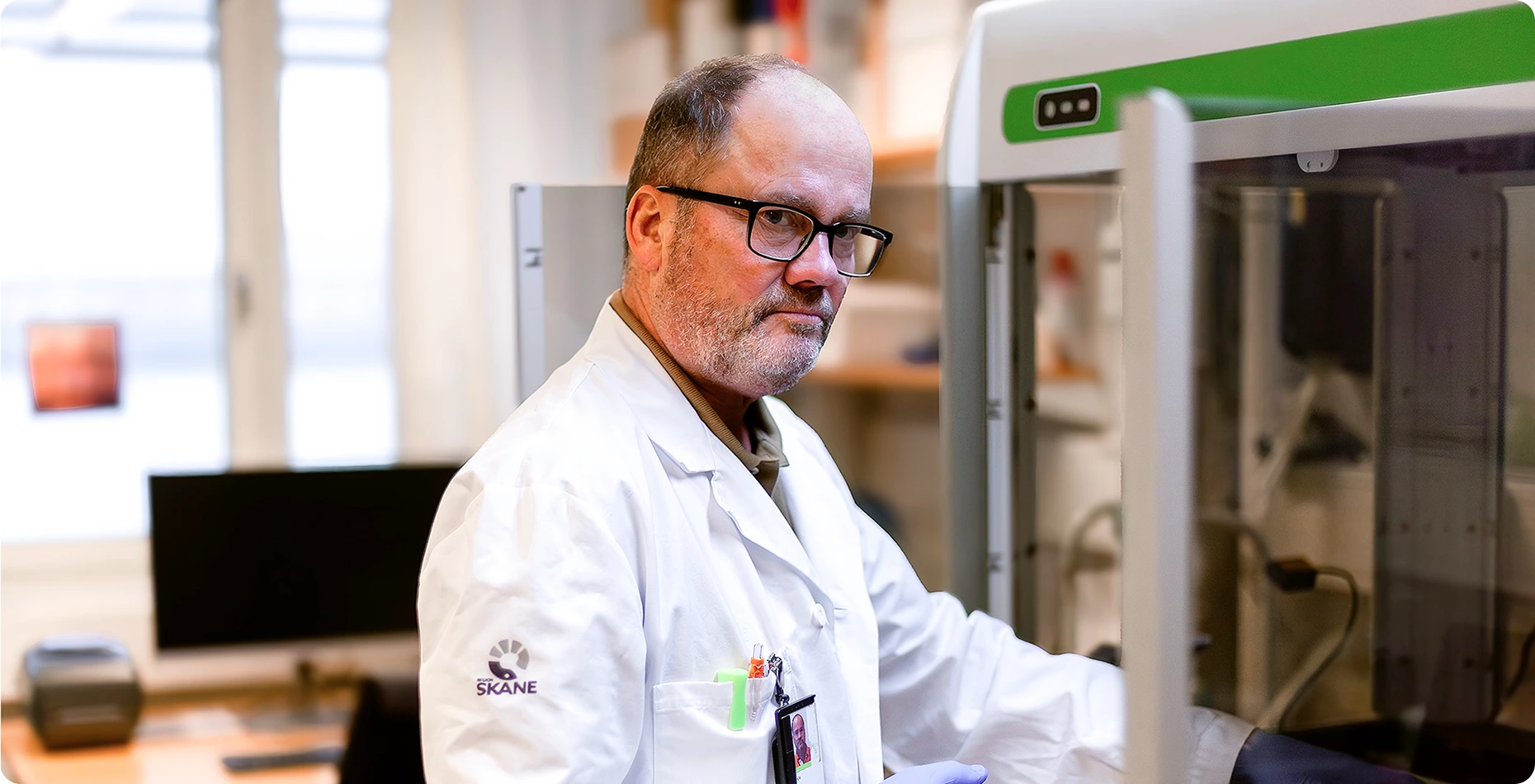
Hans Fischer’s interest in gut health did not begin in a laboratory. It began during one of the most stressful periods of his life.
At the time, he was a single parent with a young child, working in a demanding job while building an advanced microbiology research laboratory. Under that pressure, his health started to change quickly.
He experienced severe fatigue, recurring headaches, bloating, abdominal discomfort, heart palpitations, and sudden reactions to foods he had always tolerated before. Everyday meals became unpredictable. Cheese, eggs, bread, fish and dairy products suddenly made him feel unwell.
At first, the symptoms seemed disconnected. Some felt digestive. Others felt cardiovascular. But together, they made daily life increasingly difficult.
When medicines were not enough
Concerned by the intensity of his symptoms, Hans visited his general practitioner.
The tests showed high blood pressure, a fast pulse rate, and increased pressure in the eyes, known as glaucoma. He was prescribed blood pressure medication, antiarrhythmics, and booked for regular eye checks.
Even after treatment, the problems persisted and there was barely any improvement.
His stomach problems continued. His headaches remained. Sleep became worse, and the chronic discomfort started to affect his mood, energy, and ability to function normally.
Despite the medication, Hans felt that there was an underlying problem that was not being detected.
The first turning point
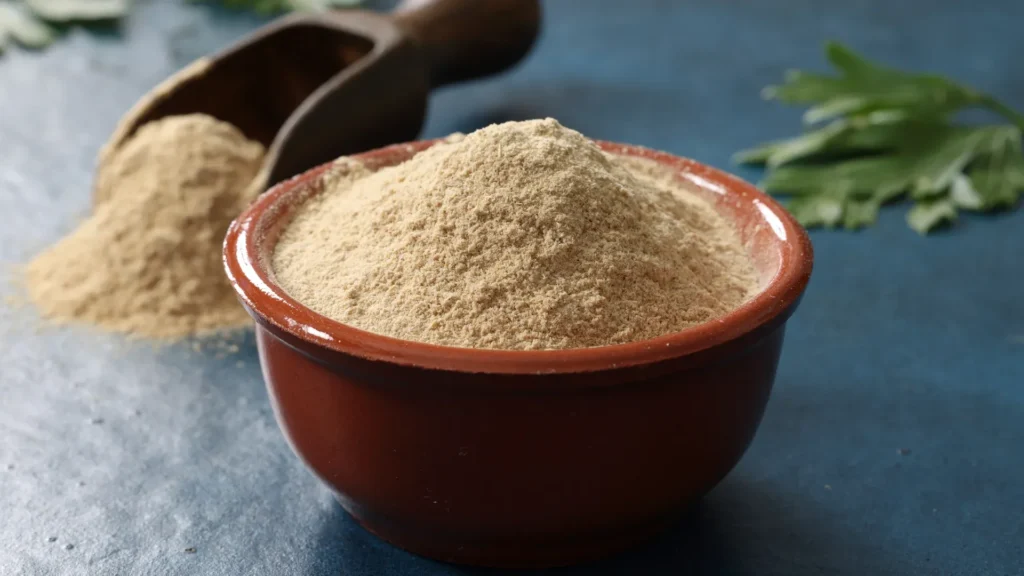
Eventually, Hans consulted a naturopathic doctor for his stomach pain. He was given a jar of powder made from the bark of the Jatoba tree and was told to take it for two weeks.
After using it, he noticed something intriguing.
His stomach symptoms improved. The change was not complete — he still had headaches, high blood pressure and heart palpitations — but it was the first clear sign that something inside the gut could be influencing how he felt.
For Hans, this raised a new question:
“Why would an antimicrobial botanical improve his stomach symptoms?”
That question was his “Eureka” moment and it was the beginning of a much larger investigation.
Discovering SIBO
Hans had regularly analyzed his own intestinal microbiome. In earlier tests, he had found that around 50% of his intestinal bacteria consisted of Prevotella copri.
After the Jatoba treatment, he tested again. This time, the same bacteria had dropped dramatically.
That result made him wonder whether the bacteria had not only been present in the large intestine, but may also have been growing where they did not belong — in the small intestine.
When Hans searched the scientific literature, he came across the term SIBO: Small Intestinal Bacterial Overgrowth.
SIBO describes a condition where bacteria grow excessively in the small intestine. This can disturb digestion, affect how food is tolerated, and may contribute to symptoms such as bloating, abdominal discomfort, fatigue and food sensitivity. The metabolites released by these bacteria can impair physiological functions across many other parts of the body like the heart, brain, skin and metabolism among others.
For the first time, many of Hans’ symptoms began to make sense.
From experience to research
Hans did not stop at personal observation. As a microbiologist and an associate professor, he wanted to understand the problem at a much deeper level.
He began testing a wide range of botanicals in the laboratory to study their antimicrobial properties. His goal was not simply to find something that “felt helpful,” but to identify ingredients that had measurable effects against relevant intestinal microorganisms.
After systematically testing around fifty botanicals, he identified a combination of three botanical components that showed strong antimicrobial activity.
The blend was tested against intestinal bacteria and also showed effects against microorganisms such as Helicobacter pylori, Candida and common intestinal parasites.
For Hans, this was an important step. His personal health experience had now become a scientific investigation.
The birth of GutClear®
Hans then tested the botanical combination on himself.
Within a few days, he noticed that his stomach symptoms improved. Foods he had previously avoided became easier to tolerate again. After continued use, he saw further changes in his overall condition.
According to Hans, his blood pressure and heart rate eventually normalized, and he was able to stop taking the medications he had been prescribed. He also reported better sleep, improved energy and a return to a relatively normal daily life.
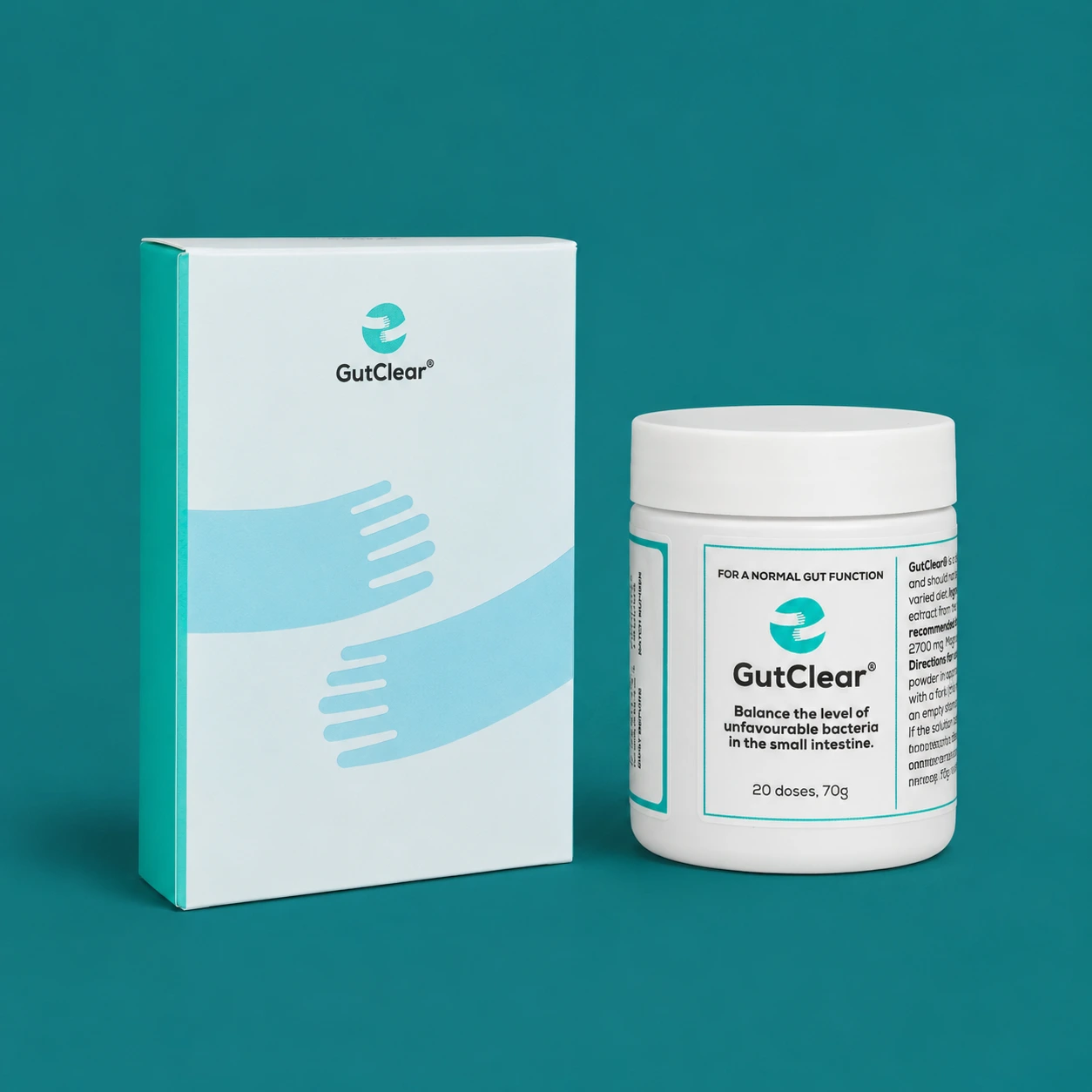
This experience led to the development of GutClear®, a botanical supplement designed to support people dealing with bacterial overgrowth in the small intestine.
What started as a personal search for relief gradually turned into a product – a health supplement – a completely natural solution without side effects and eventually part of a broader mission.
Why the small intestine really matters
Hans believes that the small intestine deserves much more attention than it often receives.
Many people think of the gut microbiome as something that belongs mainly to the large intestine. But when bacteria climb up, spread and grow excessively in the small intestine, they can interfere with digestion, nutrient absorption and food tolerance. They release metabolites, impair intestinal wall integrity and cause damage to other organs in the body.
Hans also believes that chronic stress may play an important role. Stress and anxiety can affect gut movement, digestion and the environment inside the intestine, potentially making it easier for bacterial imbalance to develop.
His view is simple:
Just as we clean our teeth to prevent problems in the mouth, we may also need to pay attention to unwanted bacterial overgrowth in the small intestine.
This does not mean that every digestive issue is SIBO. But for people with persistent bloating, food reactions, fatigue or unexplained digestive discomfort, the small intestine may be an important place to investigate.
Gutfeeling Labs today
Hans’ personal experience became the starting point for Gutfeeling Labs.
Today, the company combines microbiology, gut testing, identification of new biomarkers and riskfactors along with targeted nutritional strategies to help people understand what may be happening inside their gut.
From this work came GutClear®, which has now been actively used by more than 20,000 people. The wider mission is not only to offer a supplement, but to help people take a more informed approach to gut health.
For Hans, the goal has always been bigger than solving his own symptoms.
It is about helping people who have tried different treatments, probiotics, diets and supplements without understanding why their symptoms keep coming back.
By combining advanced non-invasive testing, medical research and practical gut health support, Gutfeeling Labs aims to make the hidden world of the gut easier to understand — and easier to act on.