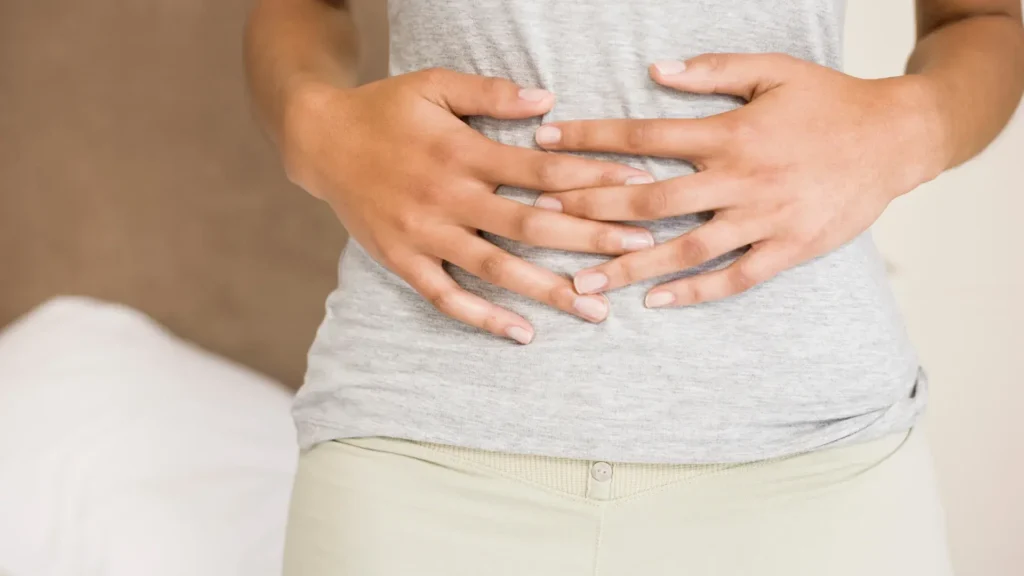



A bloated stomach after eating is common and can have several possible causes, including gas, constipation, certain foods, stress and changes in gut function. Gas is naturally produced when gut bacteria ferment certain carbohydrates and dietary fibers. The timing of bloating can vary. Some people notice symptoms shortly after eating, while others develop them several hours later. SIBO may be one possible factor when bacterial fermentation occurs earlier in the digestive tract, but bloating after eating does not automatically mean you have SIBO. Paying attention to which foods, portions and eating habits trigger your symptoms can help you better understand your digestive system.
Why does my stomach become bloated after eating?
A bloated stomach after eating is often related to gas in the gastrointestinal tract. When food is digested and certain carbohydrates and fibers are fermented by gut bacteria, gases such as hydrogen, carbon dioxide and methane can be produced.
This is a normal part of digestion. However, the amount of gas produced and how sensitive a person is to intestinal stretching can vary.What can contribute to bloating?
Bloating can be influenced by several factors. These can be grouped into three main areas:
🍽️ Food & eating | 🦠 Gut & digestion | 🧠 Stress & lifestyle |
Type of food | Gut microbiota | Stress |
Portion size | Bowel movements | Daily routine |
Eating speed | Constipation | Recovery |
FODMAP(certain carbohydrates) sensitivity | Digestive function | — |
Bloating is often influenced by more than one factor, and the combination can vary from person to person.
Why does my stomach become bloated a few hours after eating?
Under normal circumstances, a large proportion of intestinal gas is produced when gut bacteria ferment dietary fibers and other carbohydrates in the large intestine.
Food typically takes several hours to move through the stomach and small intestine before reaching the large intestine. This means that some fermentation in the large intestine may occur several hours after a meal.
So why can you sometimes feel bloated only 3–4 hours after eating?
One possible explanation is that fermentation begins earlier in the digestive process.
If there is an increased amount of bacteria in the small intestine, as can occur with SIBO, bacteria may begin fermenting certain carbohydrates before the intestinal contents reach the large intestine. This may contribute to gas production, bloating and digestive discomfort a few hours after eating.
However, early bloating does not automatically indicate SIBO. The timing of symptoms can simply be one piece of information when trying to understand how your digestive system responds to food.
The amount of discomfort caused by gas also depends on intestinal movement and how sensitive you are to the stretching of the intestinal wall.
Which types of fiber can cause more gas?
Different types of fiber are fermented by gut bacteria at different rates. Inulin, for example, is a fermentable fiber that can cause gas and bloating in some people.
Foods containing inulin include:
- Onions
- Leeks
- Garlic
- Jerusalem artichokes
- Asparagus
Other fiber-rich foods that may cause more gas in some people include:
Fruit and berries | Vegetables | Legumes |
Apples | Cauliflower | Chickpeas |
Pears | Broccoli | Kidney beans |
Blackberries | Cabbage | Lentils |
Cherries | Asparagus | Red beans |
Apricots | Artichoke | Soybeans |
Dates | ||
Figs | ||
Dried fruit | ||
Watermelon |
This does not mean that these foods need to be avoided. How your digestive system reacts depends on factors such as the type and amount of fiber you eat and your individual sensitivity.
Can SIBO cause bloating after eating?
SIBO stands for Small Intestinal Bacterial Overgrowth and refers to an increased amount of bacteria in the small intestine.
The small intestine is not completely free of bacteria, but the bacterial population is normally much lower than in the large intestine. If the amount of bacteria in the small intestine increases, bacterial fermentation of certain carbohydrates may begin earlier in the digestive process.
This may contribute to increased gas production and symptoms such as:
- Bloating
- Gas
- Abdominal pain
- Digestive discomfort between meals
- Diarrhea or constipation
- Acid reflux
- Feeling full quickly
However, it is important to remember that bloating after eating does not automatically mean you have SIBO. There are many possible causes of bloating.
If you have recurring digestive symptoms that affect your everyday life, speak with a healthcare professional to investigate the possible cause.
Which foods can cause bloating?
Different people react to different foods. Foods containing highly fermentable carbohydrates and certain types of fiber may cause more gas in some people.
Examples include:
- Onions and garlic
- Legumes
- Certain fruits
- Some grain products
- Large amounts of fiber-rich foods
- Sugar alcohols found in some sugar-free products
This does not mean that these foods are unhealthy or that everyone needs to avoid them. The amount you eat and your individual digestive sensitivity can make a difference.
If bloating is persistent, it is also important to consider whether an underlying digestive issue may be contributing to your symptoms.
What can you do if your stomach becomes bloated after eating?
The first step is to try to understand what appears to trigger your symptoms.
You can try to:
- Eat more slowly and chew your food thoroughly.
- Eat regular meals and avoid very large portions.
- Increase fiber gradually if you have recently increased your fiber intake.
- Drink enough fluids.
- Pay attention to which foods and quantities trigger symptoms.
- Stay physically active, for example by taking regular walks.
- Find ways to reduce stress and allow enough time for recovery.
It can also be useful to look at the bigger picture. Sleep, stress, physical activity and regular bowel movements can all influence how your digestive system functions.
Can a low-FODMAP diet help with bloating?
For some people with IBS and other functional gastrointestinal disorders, a low-FODMAP diet may help reduce symptoms such as bloating, gas and abdominal pain.
FODMAPs are a group of carbohydrates that can be difficult for some people to absorb and are readily fermented by gut bacteria.
A low-FODMAP diet usually involves temporarily reducing certain FODMAP-rich foods and then gradually reintroducing them. The goal is to identify which foods may trigger symptoms while maintaining as varied a diet as possible.
This does not mean that you need to avoid all fiber. Many fiber-rich foods can still be included depending on individual tolerance.
How does digestion work?
Digestion is a complex process in which food is broken down, nutrients are absorbed and the remaining material moves through the gastrointestinal tract.
In the stomach and small intestine, stomach acid, digestive enzymes and bile help break down food. A large proportion of nutrients are absorbed in the small intestine.
Material that is not broken down or absorbed continues into the large intestine, where gut bacteria can further ferment certain dietary fibers.
Want to understand what happens to food throughout the digestive system? Read our guide to how digestion works, where we go deeper into stomach acid, enzymes, bile, nutrient absorption and gut bacteria.
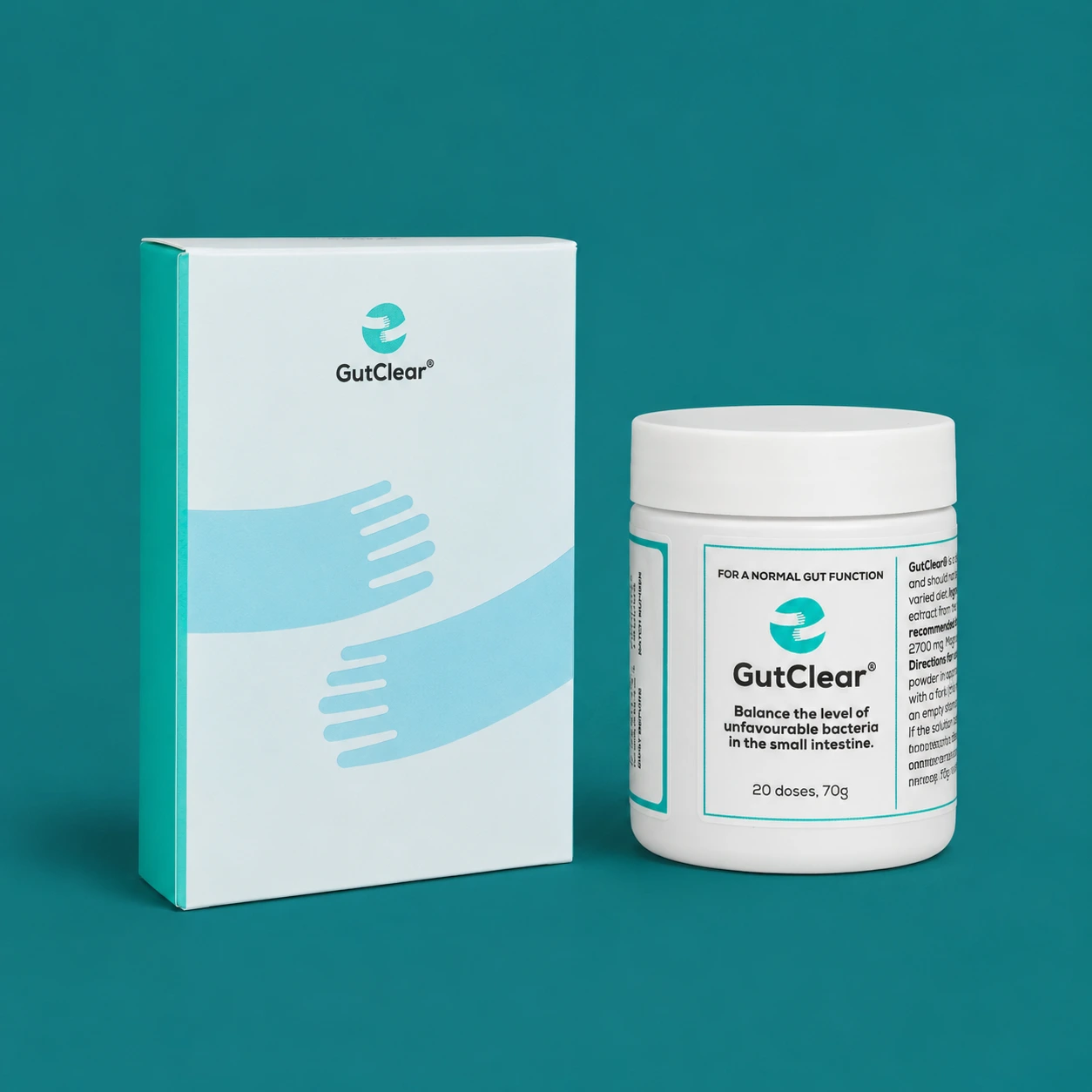
Could GutClear® be relevant if you experience bloating after eating?
If recurring bloating is related to changes in the bacterial environment of the small intestine, it may be relevant to investigate whether SIBO or another underlying factor could be contributing to your symptoms.
GutClear® was developed with a focus on bacterial overgrowth in the small intestine and contains a combination of botanical ingredients.
After analyzing the gut microbiota of more than 10,000 people in Sweden, Gutfeeling Labs observed indications of potentially unfavorable bacterial overgrowth in the small intestine among many people with digestive symptoms. This led us to spend several years developing a dietary supplement focused on this area, resulting in GutClear®.
If you have recurring bloating, you can also learn more about the Gutfeeling Labs 4-in-1 test, which is designed to provide information about several gut-related markers.
When should you seek medical advice for bloating?
Occasional bloating is common and does not necessarily mean that something is wrong.
However, if your bloating is persistent, recurring or significantly affects your everyday life, it is a good idea to speak with a healthcare professional.
You should also seek medical advice if bloating occurs together with other concerning or persistent symptoms, or if you are worried about your symptoms.