

What is a leaky gut?
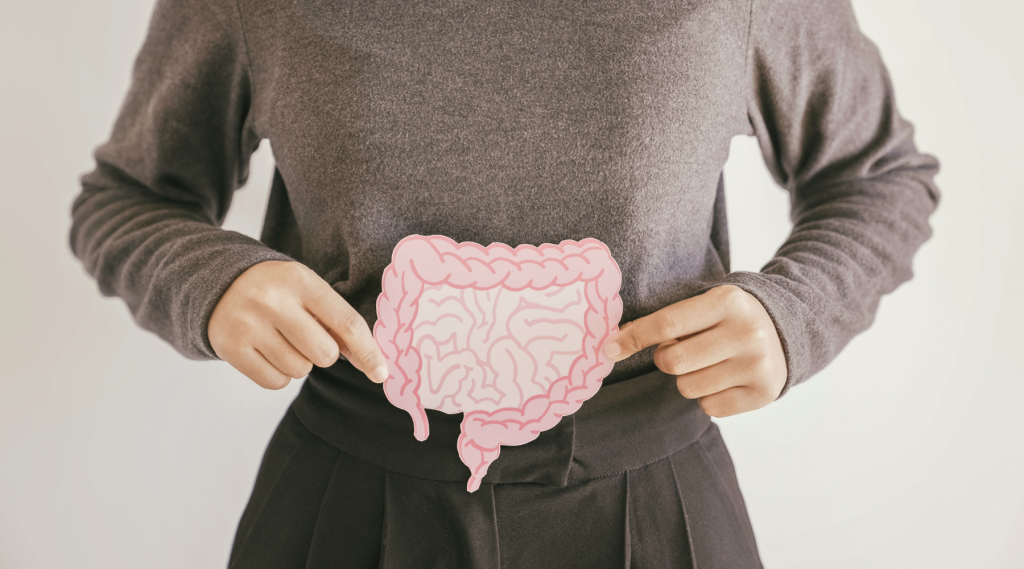
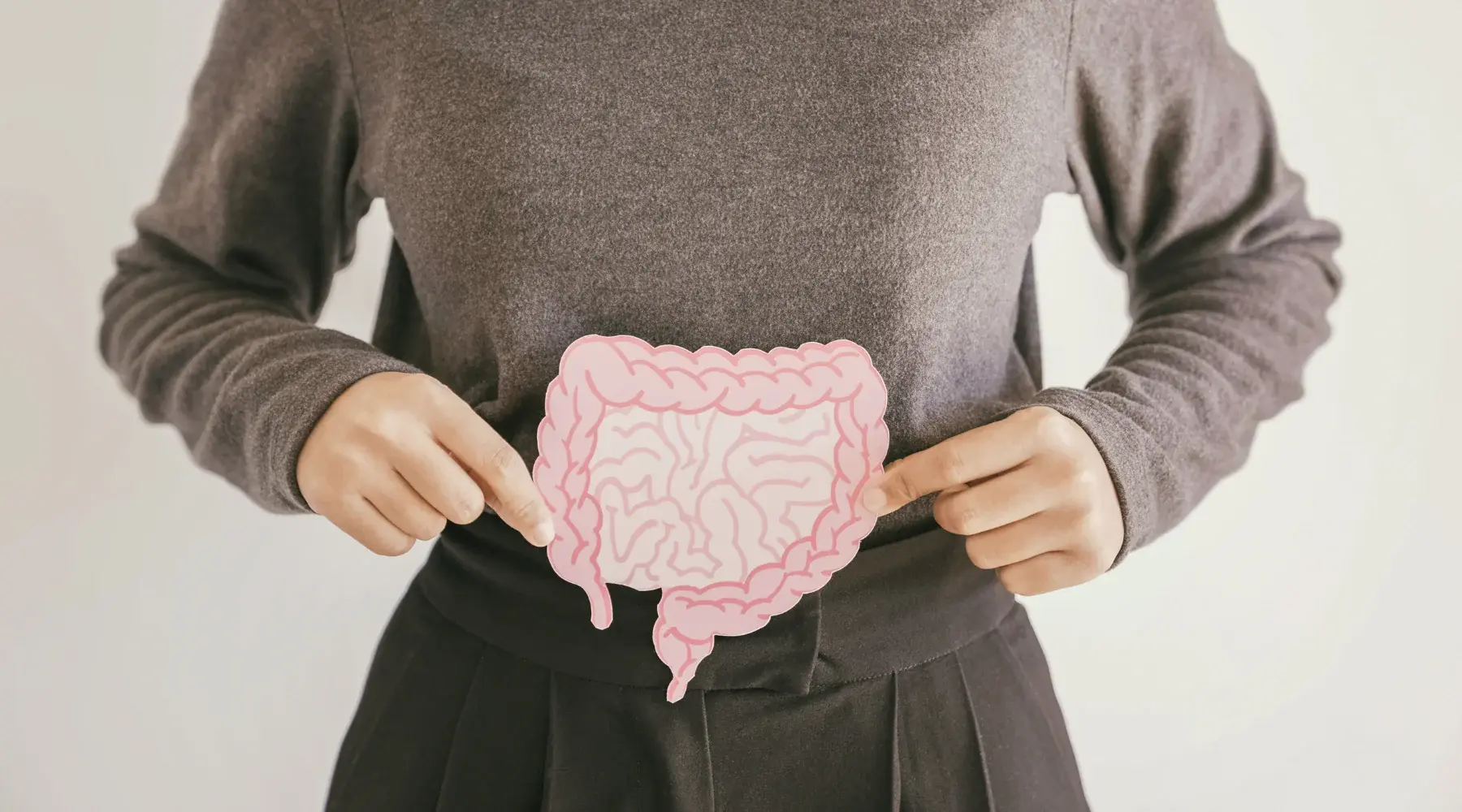
A leaky gut (increased intestinal permeability) means that the tight junctions in the mucosa of the small intestine have weakened. This allows unabsorbed substances, such as undigested food particles and endotoxins, to pass into the bloodstream and trigger the immune system.
- Symptoms: Bloating, chronic fatigue, skin problems (such as eczema/acne) and food intolerances.
- Main cause: Imbalance in the intestinal flora (dysbiosis), chronic stress, ultra-processed food and inflammatory substances.
- Solution: Identify triggering factors, add nutrients that build up the mucosa and support the intestinal flora with the right fiber and probiotics.
Why does imbalance and increased permeability occur in the small intestine?
The mucosa of the small intestine covers an area equivalent to a tennis court and acts as the body’s most important filter for nutrient absorption. When this filter becomes damaged, it is usually due to a combination of lifestyle and environmental factors.

The most common causes of impaired intestinal barrier:
- Chronic stress: The release of stress hormones such as cortisol reduces blood flow to the gut and weakens the protective layer of the mucosa.
- Nutrient-poor diet: High intake of sugar, refined carbohydrates and additives impair the diversity of the intestinal flora.
- Medication use: Frequent use of painkillers (NSAID preparations such as ibuprofen) and repeated antibiotic courses can damage the intestinal lining and disturb the bacterial balance.
- Intestinal dysbiosis: An overgrowth of harmful bacteria or fungi that produce substances that break down cell division in the mucosa.
Signs that your Leaky Gut needs support
Many people experience symptoms in other parts of the body without connecting them to the digestive system. Since the small intestine houses a large part of the body’s immune system, an affected intestinal barrier can cause widespread problems.
- Stomach and intestines: Regular bloating, gas, irregular stools and pain after meals.
- Energy levels: Persistent fatigue and brain fog that does not go away with sleep.
- Skin health: Recurrent rashes, acne, rosacea or eczema.
- Sensitivity: New reactions to foods you previously tolerated.
5 steps to restore and support the intestinal barrier
Balancing the gut requires a structured approach. The process is about removing what irritates and adding what builds up.
- Eliminate Factors Damaging the Mucosa
- Ultra-processed food, sugar, and alcohol: Reduce intake to avoid feeding opportunistic bacteria in the small intestine.
- Irritating ingredients (gluten, dairy, additives): Temporarily exclude these to reduce local inflammation.
- NSAIDs and antibiotics: Use with caution, as they can damage the gut’s protective mucosal layer.
- Chronic stress: Manage stress to prevent shutting down gut motility (MMC), which can cause SIBO.
- Support Healthy Digestion
- Calm eating environment: Activate the parasympathetic nervous system (“rest and digest”) for optimal enzyme and stomach acid production.
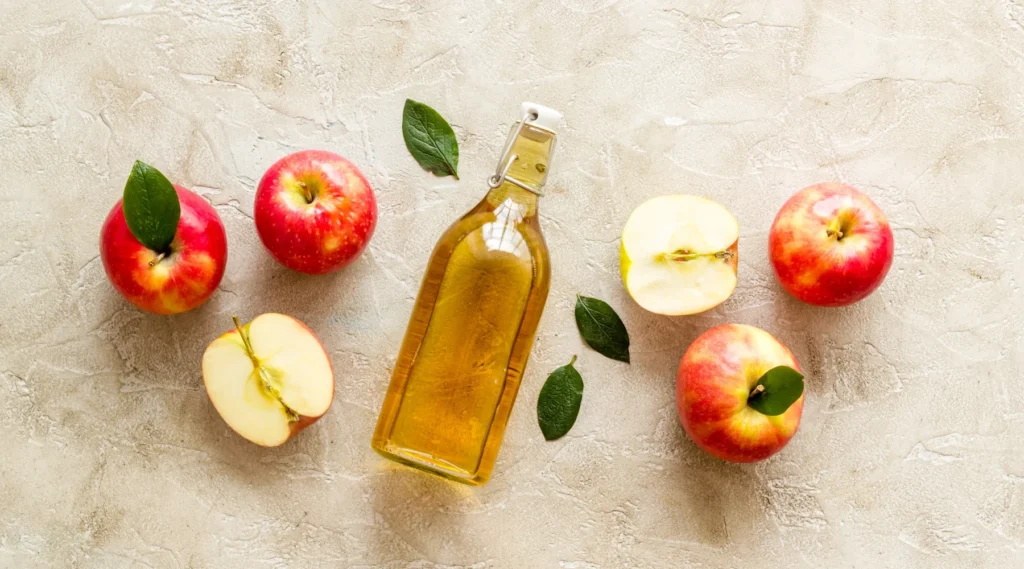
- Bitter herbs or apple cider vinegar: Take a small amount of apple cider vinegar 30 minutes before meals to stimulate stomach acid and bile.
- Digestive enzymes: Use when needed to prevent undigested food particles from irritating the mucosa.
- Fermented sauerkraut juice: Drink pasteurized juice for natural digestive support.
- Provide Nutrients to Restore the Gut Wall
- L-Glutamine: The amino acid that serves as direct fuel and promotes cell renewal in the small intestine.
- Zinc Carnosine, Vitamin A & D: Critical micronutrients that stabilize tight junctions.
- Collagen, bone broth & Glycine: Provide key amino acids (glycine, proline) that build connective tissue and mucosal lining.
- Omega-3 fatty acids: Reduce local inflammation in the gut wall and support cell membranes.
- Balance the Gut Microbiome (Without Overloading)
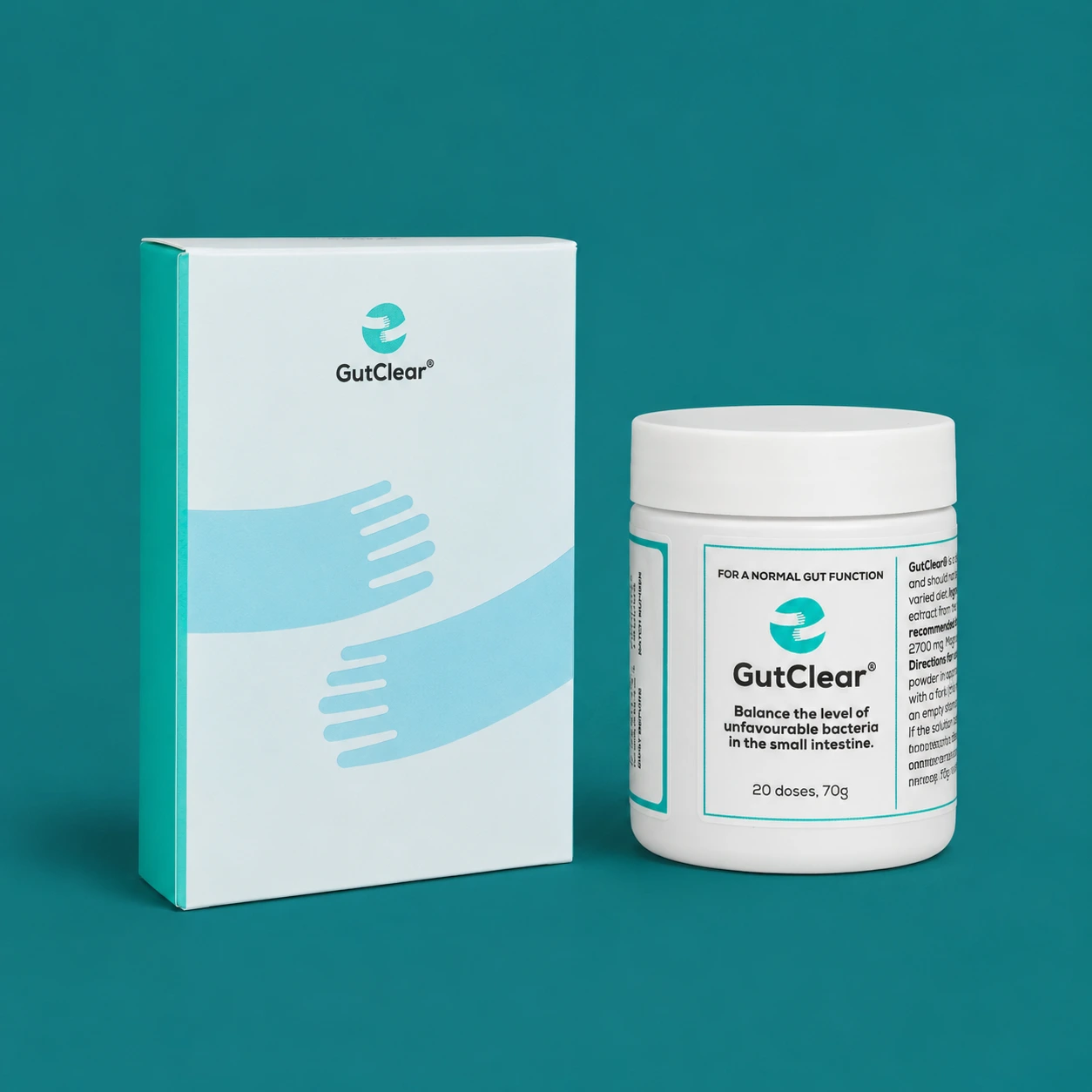
- GutClear®: Use for gentle and targeted balancing of the small intestinal flora.

- Caution with fermented foods/prebiotics: Pause kimchi, sauerkraut, kefir, or fiber supplements if they cause acute bloating (a common sign of SIBO).
5. Manage Lifestyle Factors
The small intestine is sensitive to signals from the brain. Good sleep, stress management, meditation, breathing exercises, and time in nature may support overall digestive well-being and are often considered an important complement to dietary measures.
- Deep sleep: Prioritize nighttime sleep, as gut cells primarily repair themselves overnight.
- Vagus nerve activation: Practice deep breathing, meditation, or nature walks to lower stress hormones and trigger the gut’s motility wave (MMC).