


Can stress affect weight and gut health?
Yes, long-term stress can affect both the body’s metabolism and the function of the gastrointestinal tract. Stress can affect several systems in the body, including the nervous system, metabolism and gastrointestinal tract.
In some people, long-term stress may also affect the normal movements of the intestine, one of several factors associated with the development of SIBO (Small Intestinal Bacterial Overgrowth), a condition in which bacteria grow in excessive numbers in the small intestine.
At the same time, overweight is a complex condition influenced by many factors, such as genetics, diet, physical activity, sleep, hormones and gut health. Stress and SIBO are therefore rarely the sole explanation, but they may be part of a larger picture.
In this article, we look at what research says about the connection between stress, gut health, SIBO and overweight, and how these factors may influence one another.
What happens in the body during long-term stress?
Long-term stress can affect several of the body’s systems at the same time. Among other things, stress hormone levels can change, appetite may increase, and the body’s sensitivity to insulin can be affected. Together, these changes may contribute to weight gain in some people.
Stress can affect the body in several ways:
What is affected? | Possible effect |
Stress hormones | Increased levels of cortisol and adrenaline |
Appetite | Increased cravings for energy-dense foods |
Blood sugar | Reduced insulin sensitivity |
Gut function | Changes in intestinal movements and the gut environment |
These changes often occur simultaneously and may together affect both metabolism and gut health.
Can stress increase appetite?

Yes. Long-term stress can increase cravings for energy-dense foods, particularly foods high in sugar and fat. In some people, this may lead to a higher energy intake and consequently contribute to weight gain.
Stress can also cause many people to eat for reasons other than hunger, sometimes referred to as emotional eating or comfort eating.
Common changes include:
- Increased cravings for sweet foods
- Increased cravings for fatty foods
- Snacking between meals
- Larger portion sizes
Can stress affect insulin?
Yes. Long-term stress can reduce the body’s sensitivity to insulin. When cells respond less effectively to insulin, the body needs to produce more of the hormone to keep blood sugar stable.
This condition is called insulin resistance and is one of several factors that can affect the body’s metabolism.
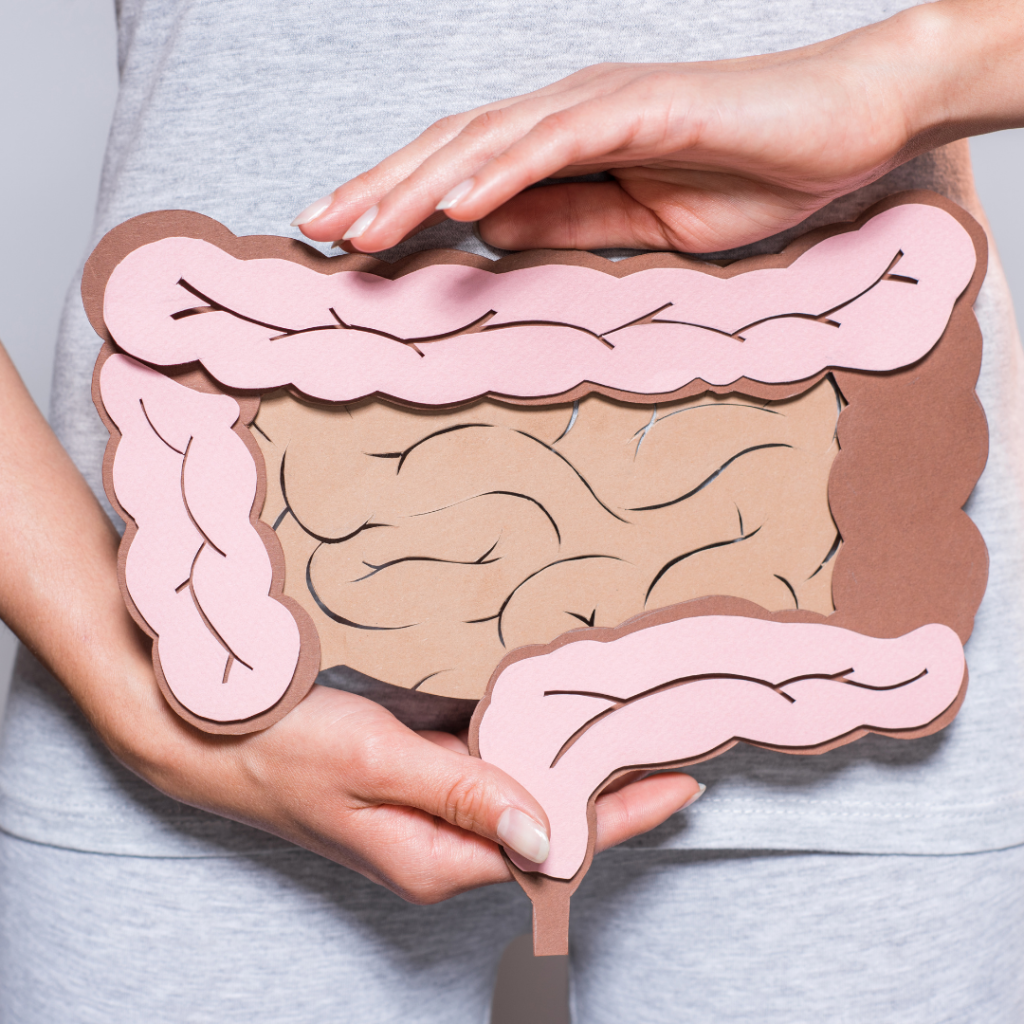
Can stress affect gut health?
Yes. Long-term stress can affect gut health in several ways. This occurs through activation of the fight-or-flight response, which is mediated by the sympathetic nervous system.
When the sympathetic nervous system is activated during stress, intestinal movements (gut motility) decrease. Possibly even more importantly, muscle activity in the important valve between the large and small intestine may also decrease.
Reduced activity in this valve may allow bacteria from the large intestine to enter the small intestine, where normally there should not be large numbers of bacteria. The large intestine has two strong mucus layers that protect the cells of the intestinal lining from bacteria and bacterial toxins, while the small intestine has only a thin mucus layer that does not provide the same level of protection.
Stress can affect:
- Normal intestinal movements (motility)
- The valve between the large and small intestine
- Bacterial levels in the small intestine
In some people, these changes may create conditions that affect the normal balance of the gut.
Is there a connection between stress and SIBO?
Yes, research suggests that long-term stress can affect factors that are important for normal small intestinal function. Stress is not the only cause of SIBO (Small Intestinal Bacterial Overgrowth), but it may be one of several contributing factors in some people.
One important factor is gut motility, meaning the intestine’s ability to move food and bacteria forward through the gastrointestinal tract.
When normal intestinal movements are affected, bacteria may remain in the small intestine for longer. This can create an environment in which bacteria may multiply more easily, which in some cases may contribute to SIBO.
Common symptoms in people with SIBO include:
- Bloating
- Gas
- Abdominal pain or discomfort after meals
- Changes in bowel habits
- Acid reflux
- Feeling full quickly
Can SIBO affect body weight?
Yes, SIBO may affect body weight in some people, but the relationship is complex. Some people with SIBO lose weight due to impaired nutrient absorption, while others may experience weight gain.
SIBO may potentially contribute to overweight and metabolic health problems through several mechanisms.
One particularly interesting connection is the bacteria-produced metabolite imidazole propionate (ImP), which is formed from the amino acid histidine. In SIBO, bacteria in the small intestine may “steal” this amino acid before it can be absorbed by the body and convert it into ImP.
Elevated levels of ImP have been associated in research with insulin resistance, type 2 diabetes and metabolic dysfunction, which may create conditions that contribute to increased fat storage and abdominal obesity.
Because SIBO involves increased and altered bacterial activity in the small intestine, it is possible that changes in microbial metabolism, including the production of ImP and other metabolites, may be one of the links between gut imbalance and impaired metabolic health.
The SIBO–ImP–overweight connection is actively being studied in research settings.
Can inflammation affect weight?
Yes. Low-grade inflammation can affect several of the body’s normal processes, including metabolism, hormonal balance and how the body regulates energy. Research suggests that inflammation may be one of several factors influencing body weight in some people.
In SIBO, an increased number of bacteria in the small intestine may contribute to activation of the immune system. In some people, this may lead to low-grade inflammation that affects normal bodily functions.
Low-grade inflammation may affect:
- Metabolism
- Hormonal balance
- How the body uses and stores energy
- The body’s normal regulation of blood sugar
However, inflammation is only one of many factors that can influence weight. Diet, physical activity, sleep, genetics and hormonal factors also play important roles.
How can you support gut health during long-term stress?
Reducing long-term stress while also taking care of your gut health may contribute to better conditions for healthy digestion. If you have recurring digestive symptoms or suspect SIBO, it is important to investigate the underlying cause.
Some habits that may support both gut health and the body’s recovery include:
- Prioritize regular sleep and recovery.
- Find stress-management methods that work for you, such as exercise, mindfulness during the day or yoga.
- Consider intermittent fasting by skipping breakfast. This activates the vagus nerve and increases the opportunity for the small intestine to rest and heal.
- Try to avoid snacking between meals to give the small intestine an opportunity to heal.
- Stay physically active according to your own abilities and circumstances.
- Seek medical advice if you experience persistent or recurring digestive symptoms.
If your symptoms are caused by SIBO, treatment may need to be adapted to the underlying cause. Therefore, it is important to receive an appropriate assessment before starting treatment.