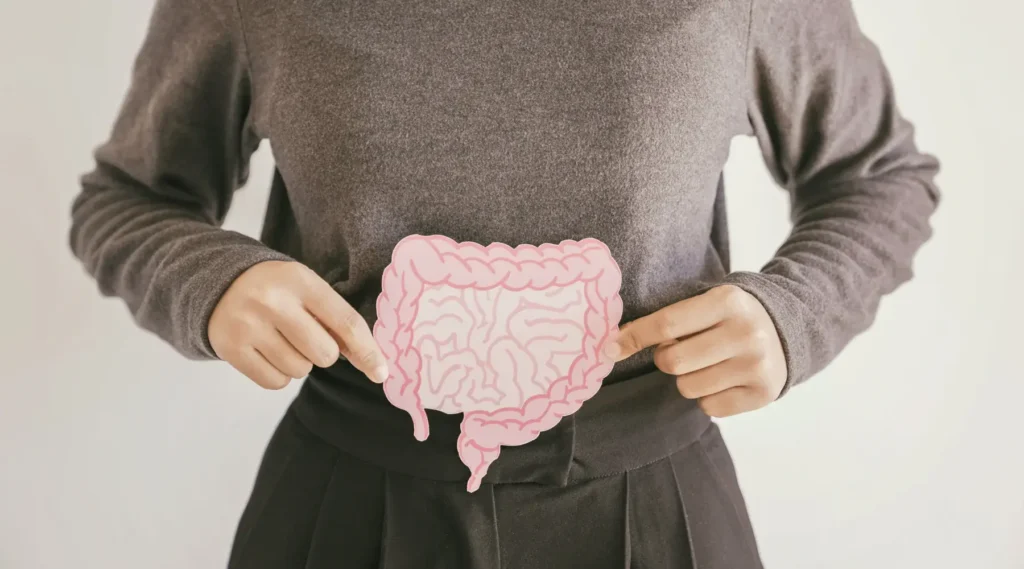



Poor digestion can present in many different ways, from bloating, gas and stomach pain to heartburn, constipation, diarrhea and fatigue. Diet, stress, the gut microbiota, digestive function, medications and lifestyle can all affect how digestion works. SIBO is another possible factor behind recurring digestive symptoms. By identifying underlying factors and adapting diet, lifestyle and support for the gut environment, many people can experience a noticeable improvement. GutClear® is developed to support a balanced gut environment and can be used as part of a broader program to support digestion and gut health. For persistent, recurring or serious symptoms, you should always seek medical advice.
Digestion is essential for the body to break down food and absorb the nutrients needed for energy, rebuilding and many of the body’s functions. When digestion does not work optimally, it can affect more than just the stomach and cause symptoms such as bloating, gas, stomach pain, heartburn, constipation, diarrhea and fatigue.
But what causes poor digestion, how can stress affect the gut, and what can you do to support better digestion?
In this article, we look at common causes of poor digestion, the connection between stress and the gut, and practical ways to support digestion.
What Is Poor Digestion?
Poor digestion is a general term for different symptoms that can occur when the digestive system is not functioning optimally. Digestion begins in the mouth and continues through the stomach, small intestine and large intestine.
Food is broken down step by step with the help of stomach acid, digestive enzymes and bile, among other things. Most nutrients are absorbed in the small intestine, while the large intestine, among other functions, absorbs water and processes the remaining food material.
When any part of this process is affected, different digestive symptoms may occur.
What Are Common Symptoms of Poor Digestion?
Poor digestion can cause different symptoms depending on the underlying cause. Common symptoms include:
- Bloating
- Gas
- Belching
- Stomach pain or discomfort
- Heartburn and acid reflux
- Nausea
- Constipation
- Diarrhea or loose stools
- Feeling full quickly
- Fatigue
- Feeling uncomfortably full after a meal
Recurring digestive symptoms can affect everyday life, energy levels and quality of life.
What Can Cause Poor Digestion?
Poor digestion can have many different causes. Diet, stress, the gut microbiota, digestive function, medications and lifestyle can all play a role.
1. Dietary Habits
What we eat and how we eat can affect digestion. Large meals, fatty foods, highly processed foods or certain specific foods may cause symptoms in some people.
There is no diet that works for everyone. The most important thing is to pay attention to how your own body reacts and identify any patterns.
Eating slowly and chewing food thoroughly can also give the digestive system better conditions for processing food.
2. Food Intolerances and Food Allergies
Some digestive symptoms may be related to food intolerances or food allergies.
Examples include:
- Lactose intolerance
- Celiac disease
- Food allergies
- Other individual reactions to foods
Food intolerance and food allergy are different conditions and should not be confused. If you experience recurring symptoms, it is important to investigate the cause rather than eliminating large groups of foods on your own.
3. SIBO and Bacterial Overgrowth in the Small Intestine
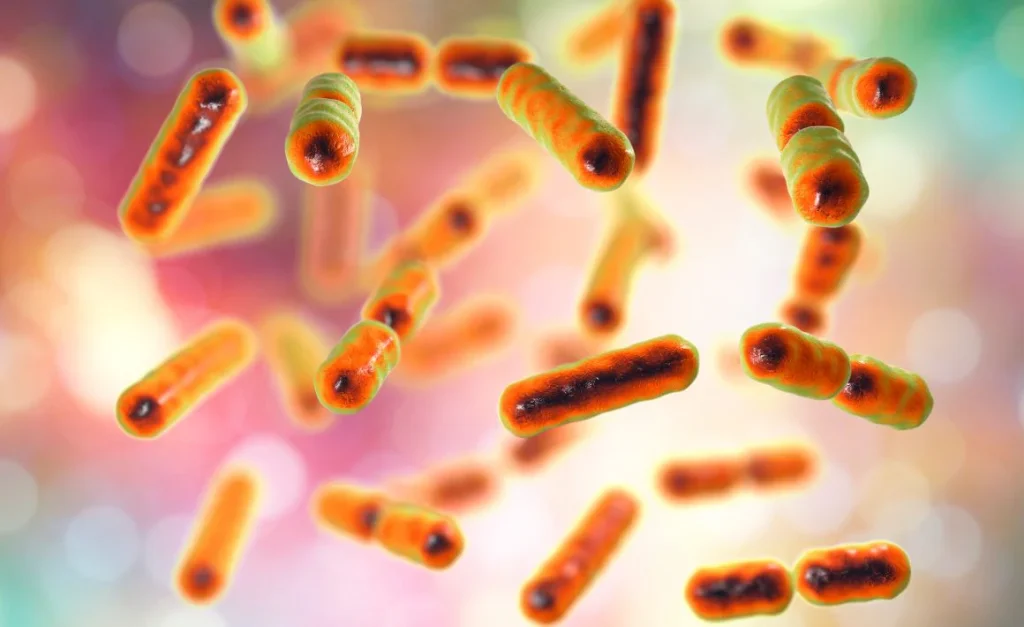
SIBO stands for Small Intestinal Bacterial Overgrowth and refers to an overgrowth of bacteria in the small intestine.
SIBO can be associated with symptoms such as:
- Bloating
- Gas
- Stomach pain
- Changes in bowel habits
- Feeling full after meals
- Food-related digestive symptoms
An important factor behind SIBO may be disturbances in the normal movement of the small intestine. Chronic stress can also be an underlying factor. Stress can affect gut motility and communication between the brain and gut, which may create conditions that contribute to bacterial overgrowth in the small intestine.
If you suspect SIBO, a test may be a first step towards gaining a better understanding of what may be behind your symptoms.
4. Stomach Acid and Digestive Enzymes
Stomach acid, digestive enzymes and bile all play important roles in digestion.
Stomach acid contributes, among other things, to the breakdown of food. Enzymes from the pancreas help break down protein, fat and carbohydrates, while bile plays an important role in the breakdown and absorption of fat.
If these processes are affected, digestion may not function optimally and can lead to different symptoms.
5. Imbalance in the Gut Microbiota
The gut microbiota consists of millions of microorganisms that influence several processes in the body.
The bacteria in the gut help, among other things, to ferment parts of food that the body cannot break down itself. They also produce different substances that affect the gut environment.
A change in the composition of the gut microbiota may affect how food is broken down and how the gut functions.
6. Stress and Digestion
Stress and digestion are closely connected through communication between the brain and gut, often referred to as the gut-brain axis.
During prolonged stress, activity in the parasympathetic nervous system and vagus nerve may be affected. This can in turn influence gut movements, digestion and the passage of food through the gastrointestinal tract.
Chronic stress is an important factor that may contribute to digestive symptoms and also create conditions that contribute to SIBO.
Common stress-related digestive symptoms include:
- Bloating
- Stomach pain
- Constipation
- Diarrhea
- Gas
- Changes in bowel habits
This does not mean that stress is the only cause of digestive symptoms, but for many people it can be an important part of the picture.
7. Medications
Some medications can affect digestion and the gut microbiota.
For example, antibiotics can affect the composition of bacteria in the gut. Other medications can also affect stomach acid, gut movements or cause digestive symptoms as a side effect.
If you take prescribed medication, you should not make changes without first consulting your healthcare provider.
8. Lifestyle and Physical Activity
Sleep, physical activity, stress, alcohol, smoking and eating habits can all affect gastrointestinal function.
Regular physical activity can support normal bowel movements, while prolonged stress and insufficient recovery may negatively affect digestion.
How Can You Support Better Digestion?
There is no single solution that works for everyone. What works depends on what is causing the symptoms.
Some ways to support digestion include:
- Eat regularly and take your time while eating.
- Chew your food thoroughly.
- Eat a varied diet that suits you.
- Drink enough water.
- Stay physically active regularly.
- Prioritize sleep and recovery.
- Identify foods that clearly make your symptoms worse.
- Work on reducing prolonged stress.
- Support a balanced gut environment.
Lemon Water or Apple Cider Vinegar Before a Meal
One simple way to support digestion is to drink lemon water or diluted apple cider vinegar approximately 30 minutes before a meal.
The aim is to stimulate digestion and prepare the body for the meal.
However, it is important to remember that acidic drinks are not suitable for everyone. If you experience heartburn or reflux, for example, acidic drinks may make your symptoms worse.
Can You Improve Digestion Through the Right Actions?
Yes. By identifying what affects your own digestion and adapting your diet, lifestyle and other factors, many people can experience a noticeable improvement in their digestive symptoms.
This may involve:
- Adapting your diet to your individual needs
- Improving meal routines
- Supporting the gut microbiota
- Managing prolonged stress
- Improving sleep and recovery
- Increasing physical activity
- Investigating underlying factors such as SIBO or food intolerances
Changes do not need to happen all at once. It may be more helpful to identify the factors that have the greatest impact on your symptoms and start there.
Can GutClear® Support Digestion?
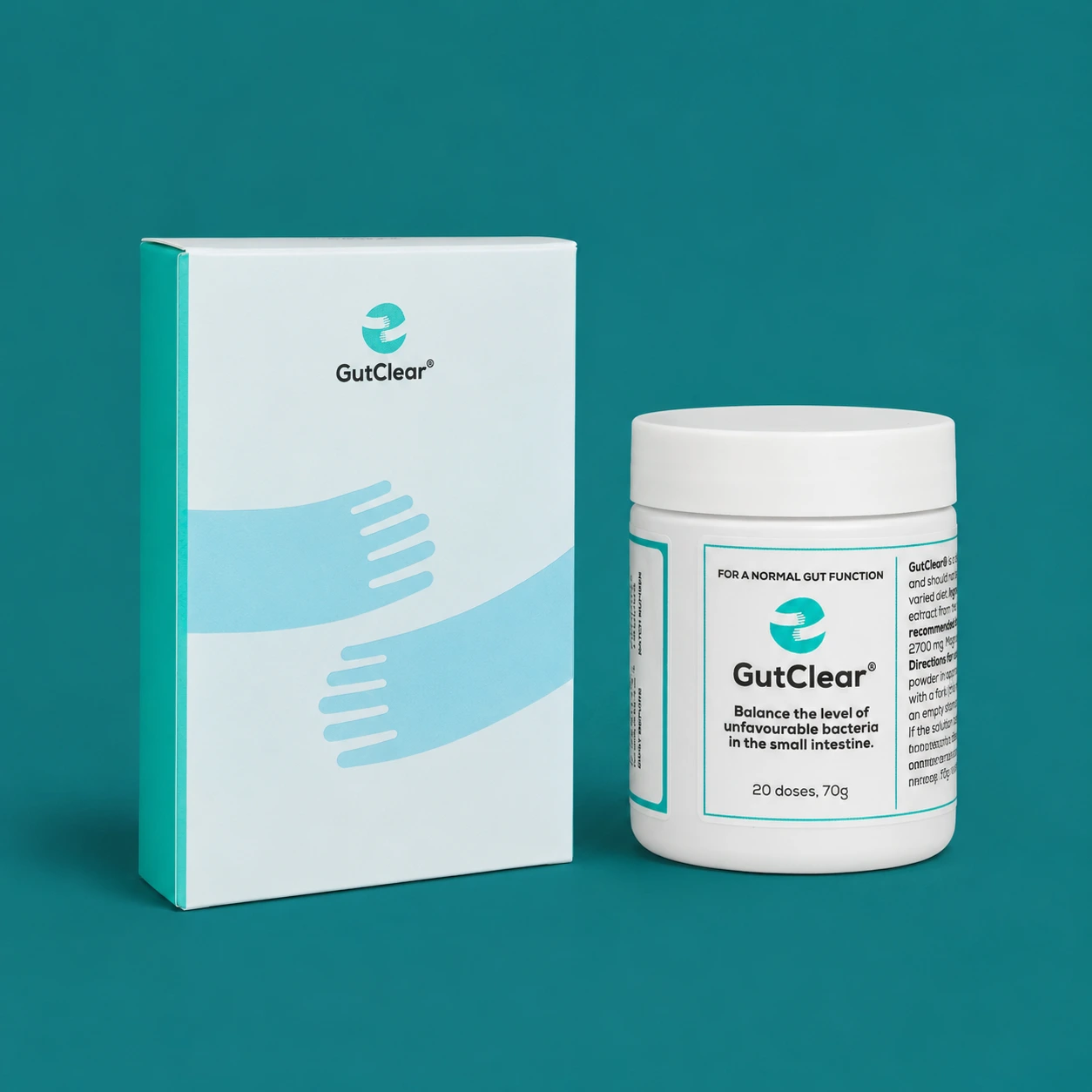
GutClear® is developed to support a balanced gut environment and contribute to balancing bacteria in the gut.
GutClear® is used as part of a broader program for people who want to support their gut health and digestion. In our experience, many people have experienced improvements in their digestive symptoms after using GutClear®.
For people with SIBO, GutClear® can be used as part of a program focused on supporting the gut environment and restoring better balance in the gut.
Individual results may vary.
When Should You Seek Medical Care for Poor Digestion?
You should contact a healthcare provider if your digestive symptoms are persistent, occur frequently or affect your everyday life.
Seek medical care if you experience:
- Severe or persistent abdominal pain
- Blood in the stool
- Black stools
- Unintentional weight loss
- Recurring vomiting
- Fever
- Difficulty or pain when swallowing
- Other new or serious symptoms
A medical assessment can help identify underlying causes and ensure that you receive appropriate treatment.