

There is no universal diet for leaky gut. Focus on a varied, nutritious diet containing foods that you tolerate well. Fatty fish, vegetables, olive oil, high-fibre foods and other nutritious ingredients can be part of the diet. At the same time, it may be beneficial to limit large amounts of ultra-processed foods, added sugar, alcohol and other foods that you notice worsen your symptoms. If you have SIBO or a sensitive stomach, the amount of fibre and fermentable carbohydrates may need to be adapted. The most important thing is not to follow a long list of forbidden foods, but to find a diet that works for your stomach while still providing your body with sufficient nutrition.
What should you eat if you have a leaky gut? And which foods may be worth limiting?
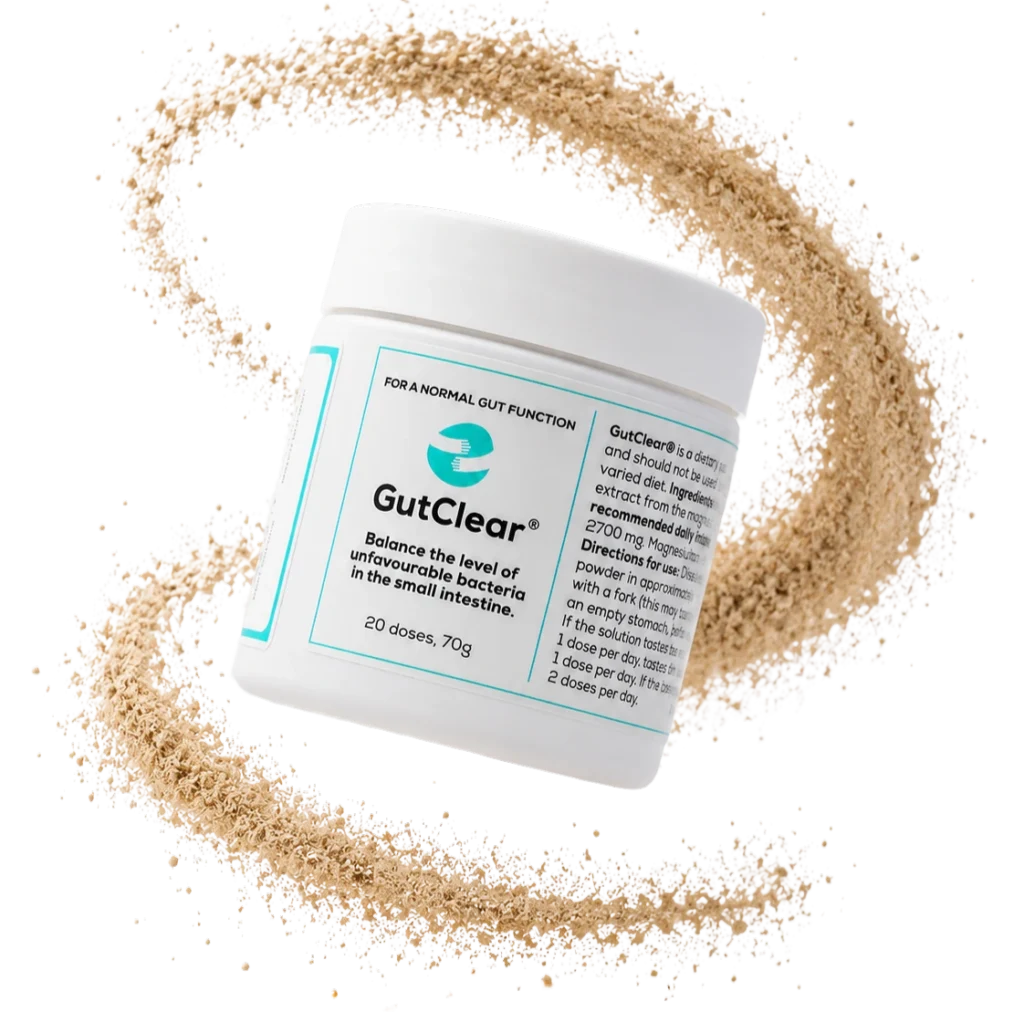
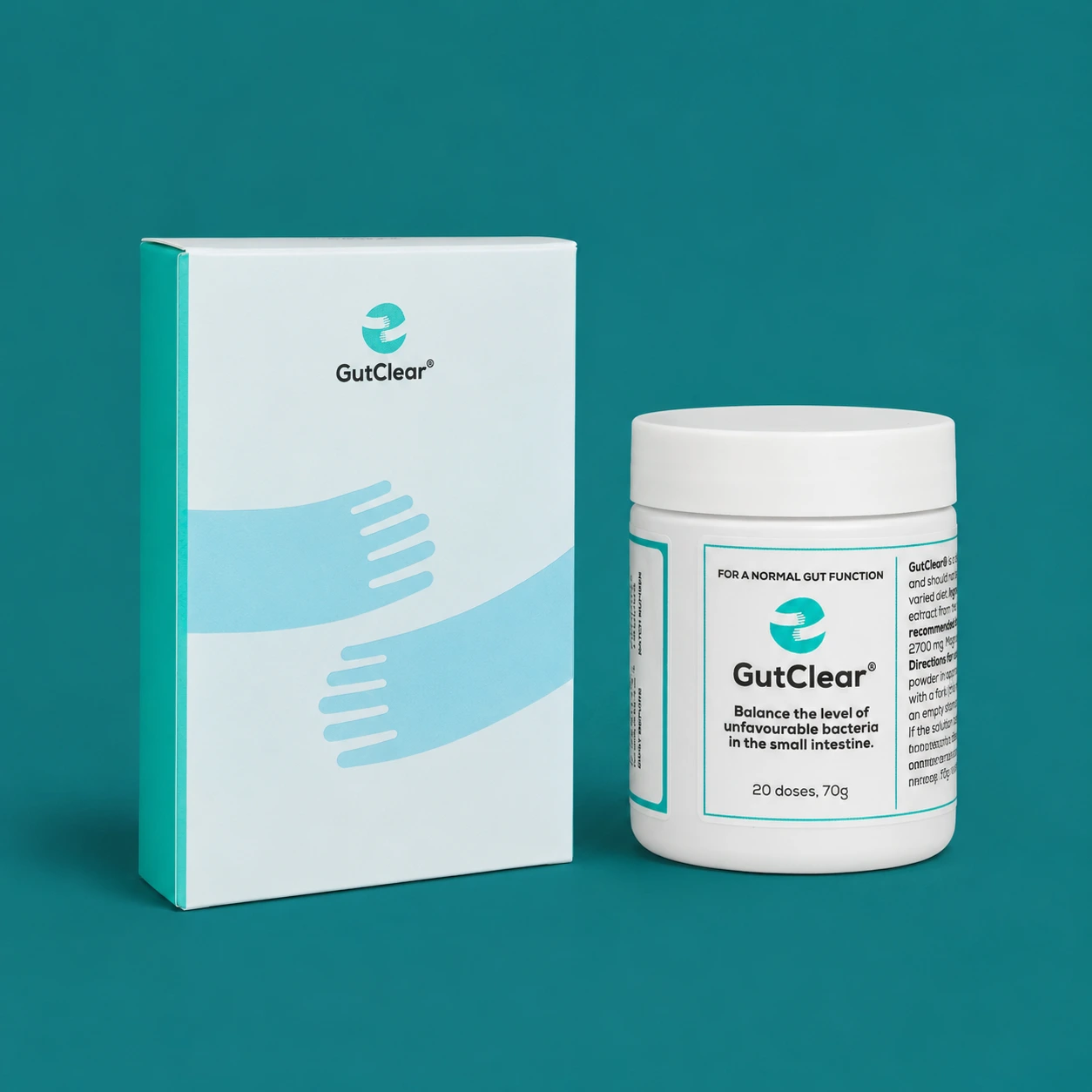
The most important thing to rule out if you have signs of leaky gut is SIBO, which can be done with a SIBO test. If SIBO is present, the first step should be to try dietary supplements with bacteria-balancing properties.
When it comes to dietary and lifestyle changes, these should be adapted depending on whether SIBO is present or not.
Diet is one of several factors that can affect the gut environment and the function of the intestinal barrier.
In this guide, we look at what you can do, what you can eat, what you may need to limit and how your diet can be adapted if you also have SIBO or recurring digestive symptoms.
What Is Leaky Gut?
“Leaky gut” is often used to describe increased permeability or increased permeability of the intestinal barrier.
The intestinal barrier helps the body regulate what passes from the contents of the gut into the rest of the body. Its function is influenced by factors including the intestinal lining, the cells in the intestinal wall, the gut microbiota, the immune system, diet and other lifestyle factors.
It is therefore more relevant to view the intestinal barrier as part of a larger system rather than focusing on a single food.
What Should You Eat If You Have a Leaky Gut?
A good starting point is a varied diet containing nutritious foods that you tolerate well, but the most important thing is to first make sure to reduce any possible SIBO.
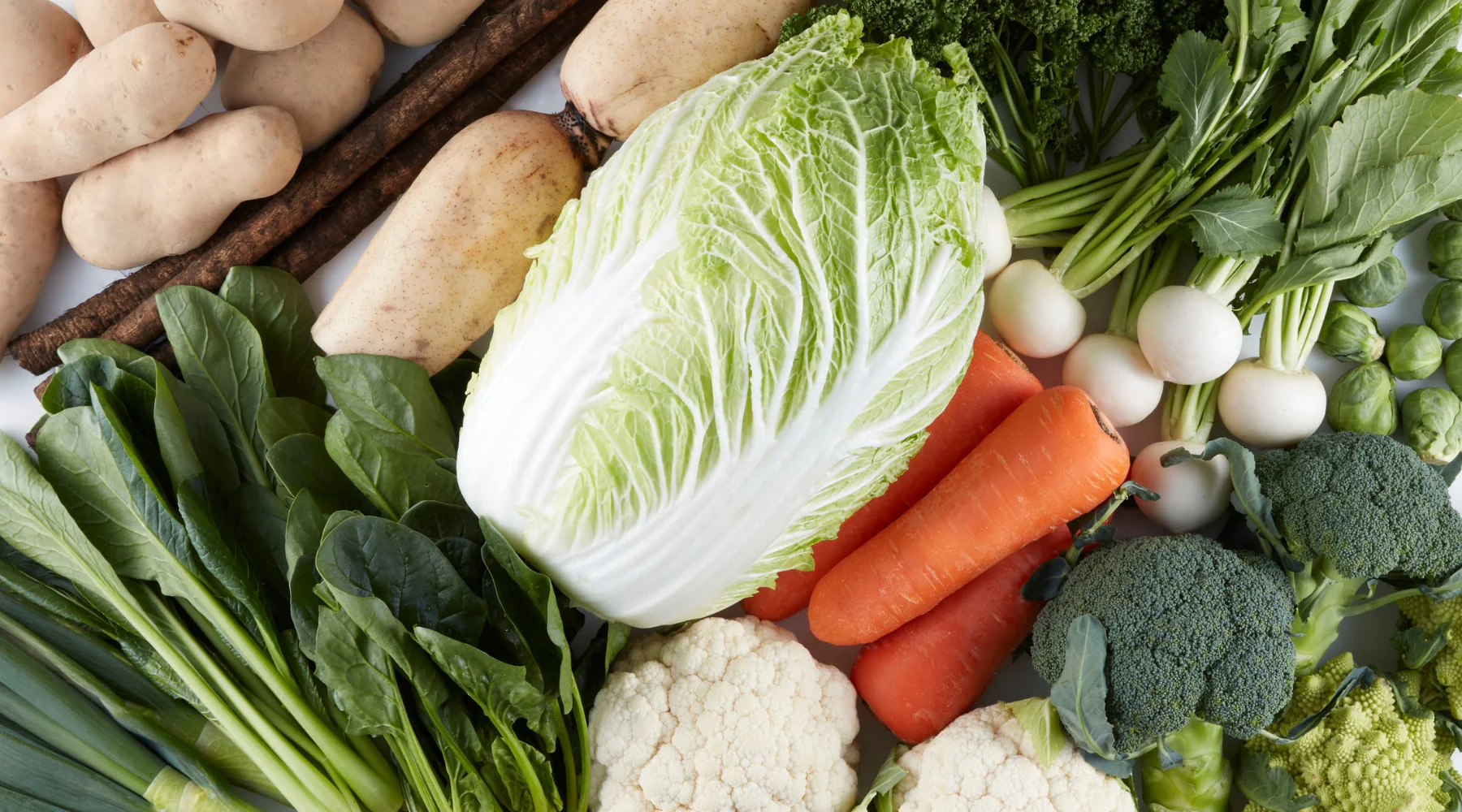
Examples of foods that may be beneficial include:
- Fatty fish, such as salmon and mackerel
- Vegetables
- Fruit and berries
- Oats and other high-fibre foods, if tolerated
- Nuts and seeds
- Olive oil
- Eggs, chicken and other protein-rich foods
Bone Broth and Collagen
Bone broth contains, among other things, the amino acids glycine, glutamine and proline and can be part of a varied diet. However, it should be consumed after any course of supplements aimed at reducing SIBO, as bone broth and collagen can provide nourishment for bacteria in the small intestine (SIBO).
It is best to view bone broth as a nutritious food rather than as a treatment in itself.
Foods With Anti-Inflammatory Properties (Cannot Reduce SIBO)
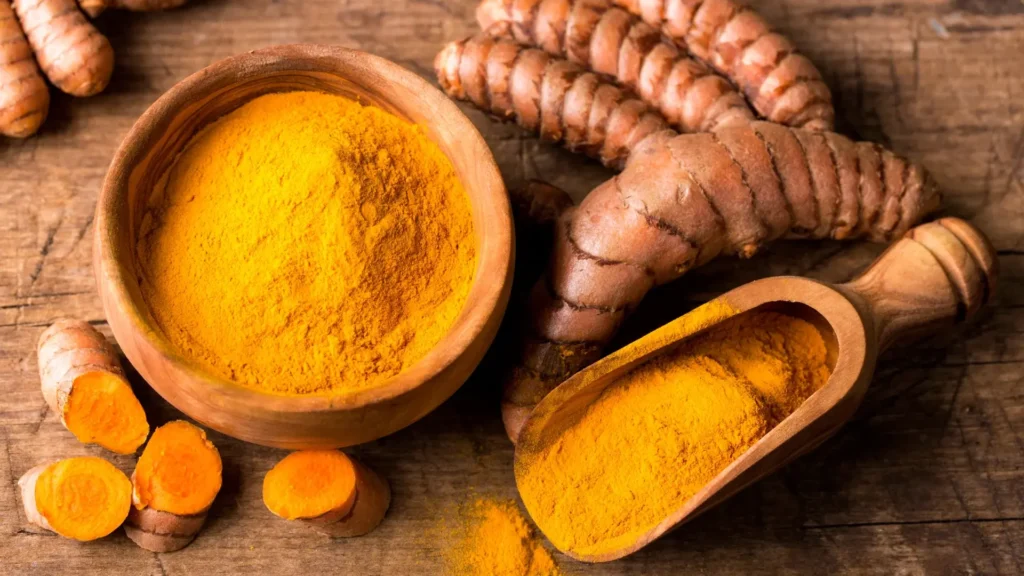
Fatty fish, olive oil, leafy green vegetables, ginger and turmeric can be part of a varied diet.
What matters is the overall diet rather than a single “superfood”.
Which Foods Should You Avoid With Leaky Gut?
There is no list of foods that everyone with leaky gut needs to avoid.
However, some dietary habits and foods may be less beneficial or cause more symptoms in some people. Gutfeeling Labs primarily recommends paying attention to:
1. Sugar and Ultra-Processed Foods
Large amounts of added sugar and ultra-processed foods can make it more difficult to maintain a varied diet rich in nutrients and fibre.
2. Gluten
Gluten does not need to be avoided by everyone.
For people with coeliac disease, a gluten-free diet is necessary, while others may experience symptoms from grain products for other reasons.
If you suspect coeliac disease, you should be assessed before starting a gluten-free diet.
3. Dairy Products
Lactose or other components of dairy products can cause symptoms in some people.
If you notice a clear connection between dairy products and your symptoms, it may be worth investigating whether you have, for example, lactose intolerance.
4. Vegetable Oils High in Omega-6
Sunflower, corn and soybean oils contain high amounts of omega-6 fatty acids. Gutfeeling Labs instead recommends, among other options, olive oil as a source of fat.
5. Alcohol and Caffeine
Alcohol can affect the gastrointestinal tract and contribute to digestive symptoms in some people. Caffeine can also be experienced as irritating for a sensitive stomach.
If you notice that coffee or alcohol makes your symptoms worse, you can try reducing the amount and see whether your stomach responds differently.
Is Fibre Good for Leaky Gut?
Yes, fibre is an important part of a varied diet – but the amount needs to be adapted to the individual.
Fibre serves, among other things, as nourishment for bacteria in the large intestine and can contribute to healthy gut function.
However, if you experience a lot of gas, bloating or suspected SIBO, a rapid or significant increase in fibre may make symptoms worse.
If you want to increase your fibre intake, it is therefore better to do so gradually and observe how your stomach responds.
Can Gluten and Dairy Products Affect the Stomach?
It depends on the individual.
Gluten is not a problem for everyone, but people with coeliac disease need to avoid gluten. Others may experience symptoms after eating grain products without having coeliac disease.
Similarly, dairy products may work well for some people but cause symptoms in people with, for example, lactose intolerance.
It is therefore better to investigate a suspected intolerance than to automatically eliminate large food groups.
Can Diet Affect SIBO and Leaky Gut?
Yes, diet can affect the environment in the gastrointestinal tract, but it is only one part of the picture.
SIBO, Small Intestinal Bacterial Overgrowth, involves an overgrowth of bacteria in the small intestine. Bacterial fermentation can contribute to gas production and bloating.
With SIBO, some people may therefore experience more symptoms from large amounts of fermentable carbohydrates and fibre. At the same time, fibre is important for the gut microbiota.
The goal is therefore not always to eat as little fibre as possible, but to find an amount and type that works for your situation.
Tip: How Can You Support Digestion?
It is not only about what you eat, but also how you eat:
- Eat slowly and chew your food thoroughly.
- Eat in a calm and relaxed environment.
- Avoid very large portions.
- Pay attention to which foods repeatedly cause symptoms.
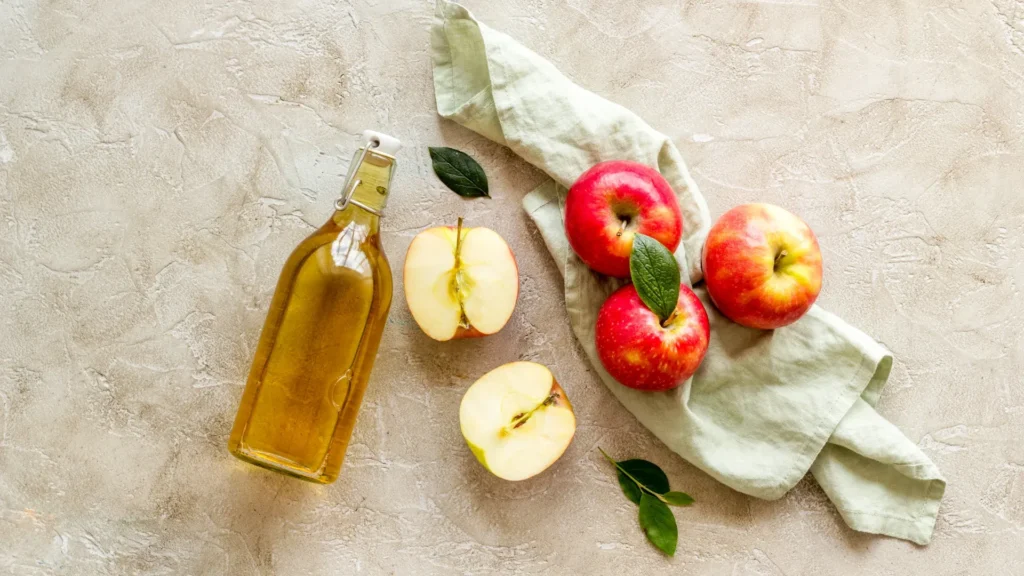
- Bitter herbs before meals and diluted apple cider vinegar may be an option for people who tolerate them.
Gutfeeling Labs also recommends certain bitter herbs before meals and diluted apple cider vinegar for people who tolerate them.
Example of a Day of Eating
Here is a simple example of what a varied day could look like:
Breakfast: Oatmeal with berries and a protein source that you tolerate.
Lunch: Chicken stew with carrot, courgette and spinach.
Dinner: Oven-baked salmon with sweet potato, broccoli and olive oil.
Portion sizes and ingredients can be adapted according to individual tolerance.
How Quickly Can the Gut Recover?
There is no fixed time period that applies to everyone.
The cells of the intestinal lining are continuously renewed, but this does not mean that intestinal barrier function or the gut environment will automatically be restored within a few days.
How quickly symptoms change depends, among other things, on the underlying cause of the symptoms (such as SIBO), diet, lifestyle and individual factors.
It is therefore better to focus on long-term changes and the underlying cause rather than on a specific timeframe.
How Do You Know If You Have a Leaky Gut?
Symptoms such as bloating, abdominal pain, changes in bowel habits and food-related symptoms can occur with many different conditions.
It is therefore not possible to establish leaky gut or SIBO based on symptoms alone.
If symptoms are recurring or persistent, it may be relevant to investigate possible underlying causes.
Can You Test Your Gut Health?
Gutfeeling Labs offers a test that analyses SIBO, markers associated with leaky gut and bacterial metabolites associated with health-related symptoms.
The results are supplemented with information and dietary advice based on the analysis.