

There is no universal SIBO diet that works for everyone. A good starting point is to choose nutritious foods that you tolerate well and limit foods that you notice make your symptoms worse. For some people, a low-FODMAP diet or temporarily reducing fermentable carbohydrates may help reduce gas and bloating. The amount of fibre may also need to be adjusted. The most important thing is not to make your diet more restrictive than necessary. Listen to your gut, adjust portions and try to find a diet that works for you.
What can you eat with SIBO? And which foods may be worth limiting?
If you have SIBO (Small Intestinal Bacterial Overgrowth) and experience symptoms such as gas, bloating, abdominal pain or irregular bowel movements, food can affect how you feel. For some people, temporarily limiting certain fermentable carbohydrates and adjusting the amount of fibre may help. At the same time, it is important that your diet remains varied and provides the nutrients your body needs.
There is no single SIBO diet that works for everyone. How the gut reacts to different foods varies from person to person, so it can be helpful to consider your own symptoms and tolerance.
In this guide, we explain what you can eat with SIBO, which foods you may need to limit, and what to consider regarding meals, fibre and supplements.
What is SIBO?
SIBO stands for Small Intestinal Bacterial Overgrowth and refers to an overgrowth of bacteria in the small intestine.
When bacteria are present in the small intestine, they can ferment parts of the food you eat. For some people, this can contribute to gas, bloating, abdominal pain and changes in bowel habits.
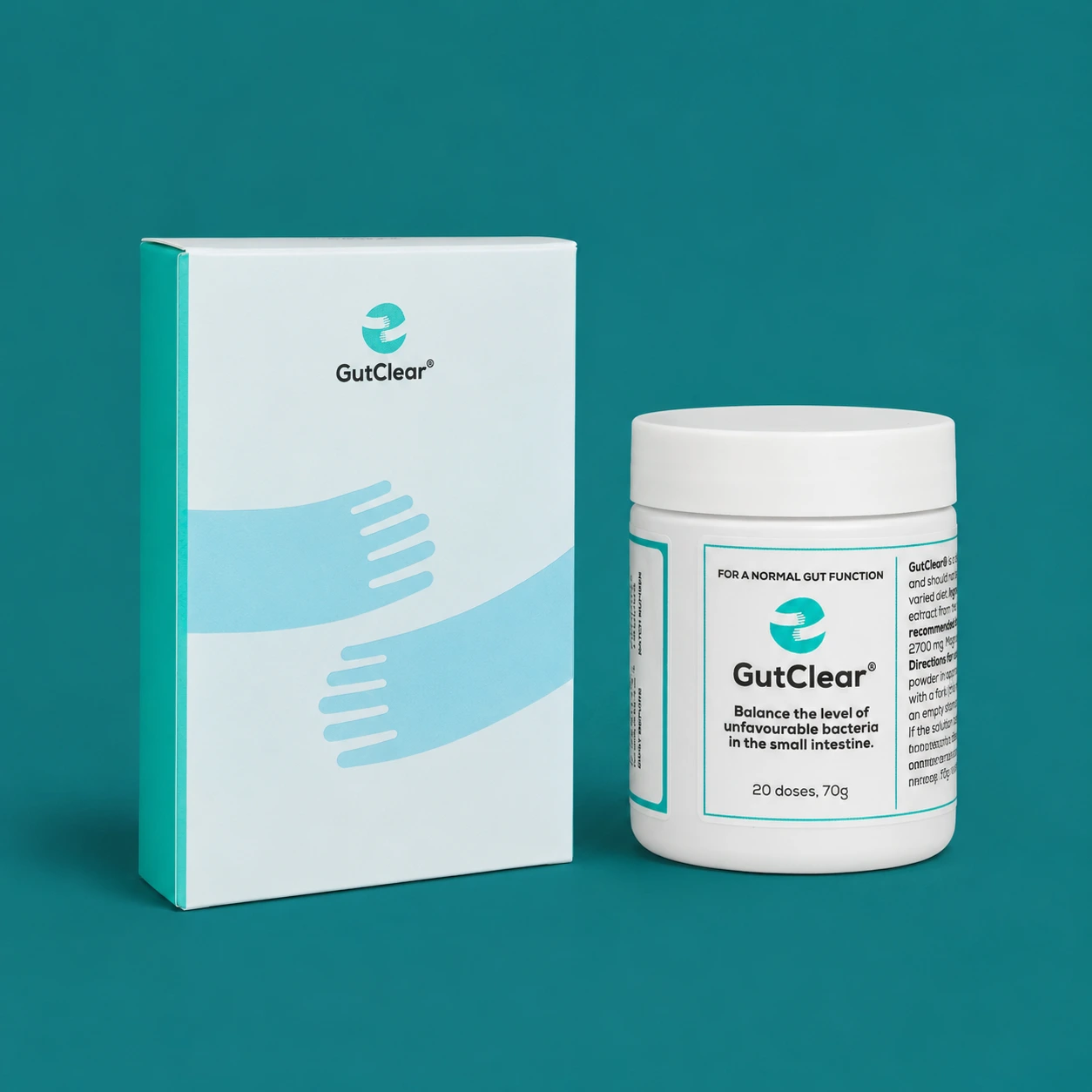
It may therefore be worth considering ways to address SIBO, including supplements with bacteria-balancing properties, such as GutClear®.
If you have recurring or persistent digestive symptoms, these should be assessed by a healthcare professional to investigate other possible underlying causes.
What should you eat with SIBO?
A good starting point is to choose foods that you tolerate well and adjust portion sizes according to how your gut responds.
Examples of foods that may be included in a SIBO-adapted diet include:
Food group | Examples |
Protein | Chicken, beef, fish, tofu and eggs |
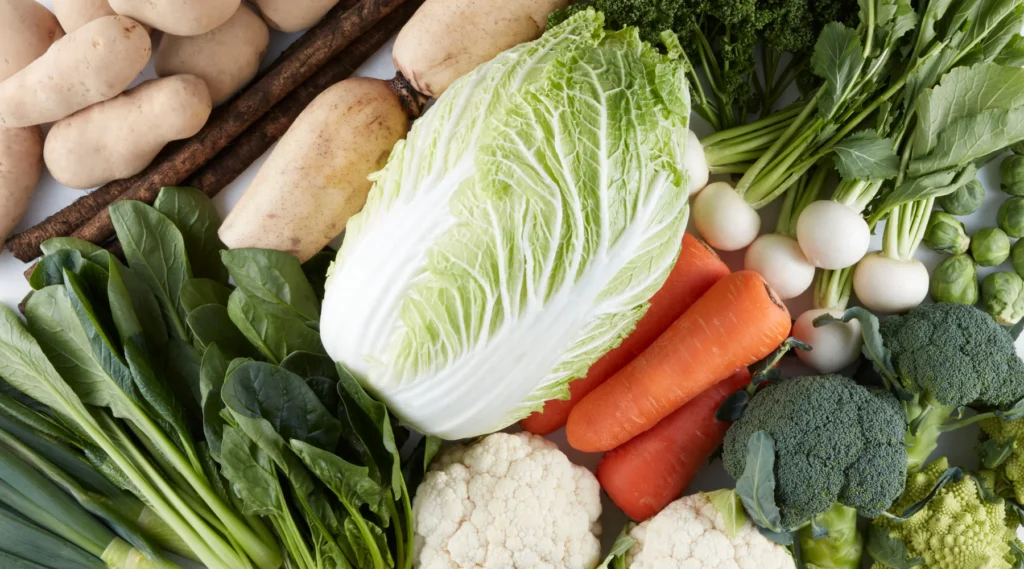
Vegetables | Carrots, zucchini, spinach, cucumber and tomatoes |
Fruit and berries | Strawberries, blueberries, oranges and grapes in limited amounts |
Grains and carbohydrates | Rice, quinoa, oats and gluten-free bread |
Nuts and seeds | Pecans, walnuts and sunflower seeds in small amounts |
Keep in mind: It is completely natural for people to react differently to different foods. If you notice that your gut reacts negatively to something, take it at your own pace. You can try limiting it slightly and see whether your gut feels better.
Which foods may need to be limited with SIBO?
There is no list of foods that everyone with SIBO needs to avoid. However, certain foods may cause more symptoms in people who are sensitive to them.
Limit fermentable carbohydrates
A low-FODMAP diet is often used to reduce symptoms of IBS and may also be relevant for some people with SIBO.
FODMAPs are a group of fermentable carbohydrates found in foods such as:
- Onions and garlic
- Legumes
- Certain dairy products
- Wheat
- Certain fruits
These carbohydrates can be fermented by bacteria and, in some people, contribute to increased gas production, bloating and other digestive symptoms.
A low-FODMAP diet does not necessarily mean permanently removing large groups of foods. For many people, it may be more useful to identify which foods and portion sizes work best for their individual gut.
Limit sugar and artificial sweeteners
Large amounts of sugar and certain artificial sweeteners can be fermented by bacteria and may contribute to increased gas production and digestive symptoms in some people.
If you notice that sweet foods or certain sweeteners affect your gut, you can try limiting them and see whether it makes a difference.
Be mindful of very high-fibre foods
Fibre is important for healthy bowel function and a healthy gut microbiota. At the same time, large amounts of fermentable fibre can cause gas and bloating in some people with SIBO.
It is therefore not always about avoiding fibre, but rather adjusting the amount according to individual tolerance.
If you have increased your fibre intake quickly, it may be sensible to temporarily reduce the amount and then increase it gradually.
Can you eat fibre with SIBO?
Yes. Fibre does not need to be completely eliminated with SIBO.
Fibre is an important part of the diet, but some types may be more highly fermented than others. If you notice that very high-fibre foods increase your symptoms, you can try adjusting the amount and see which foods you tolerate best.
The most important thing is that your diet continues to provide sufficient nutrition.
Which foods are easiest to digest with SIBO?
If your gut is sensitive, it may sometimes be easier to choose simple meals and cooked foods.
For example, you could try:
Cooked vegetables
Cooking can make vegetables softer and easier for some people to tolerate.
Simple protein sources
Fried or grilled chicken, fish or another protein source without heavy marinades or sauces.
Simple carbohydrates
Boiled potatoes, polenta and rice may be easier for some people to tolerate.
Again, what works best is individual.
How long should you leave between meals with SIBO?
Some SIBO experts recommend leaving around 3–4 hours between meals to give the migrating motor complex, or MMC, an opportunity to work.
The MMC is a series of intestinal movements that helps transport remaining contents through the small intestine.
However, it is not necessary to follow a strict meal schedule if this does not work for you. Listen to your body and make sure you still get enough energy and nutrients.
Can probiotics help with SIBO?
No, they may worsen symptoms, but they do not affect everyone in the same way.
If you have SIBO and are considering probiotics, we recommend waiting until after a bacteria-balancing approach. If you then want to try probiotics, it may be helpful to introduce them gradually and observe how your gut responds.
What should you drink with SIBO?
Water is an excellent choice of drink. Adequate fluid intake is particularly important if you also tend towards constipation or are increasing the amount of fibre in your diet.
If alcohol repeatedly worsens your digestive symptoms, you can try limiting the amount and see whether your gut responds differently.
Coffee has the beneficial property of stimulating intestinal motility, including the migrating motor complex (MMC), which is considered particularly beneficial with SIBO but also after a course of bacteria-balancing supplements as a way of helping to “keep SIBO at bay.”
What can you do about constipation and SIBO?
If you tend towards constipation, you can start by looking at your fluid intake and how much fibre you tolerate.
Previous recommendations from Gutfeeling Labs also mention dried apricots and prunes as possible options.
Moderate physical activity, as well as intermittent fasting (especially skipping breakfast; however, morning coffee and tea are fine), has a stimulating effect on intestinal motility.
If constipation is persistent or frequently returns, it is also important to investigate possible underlying causes.
Can alcohol and caffeine worsen SIBO symptoms?
If you notice a clear connection between, for example, coffee, alcohol or fatty foods and your symptoms, you can try limiting the amount and see whether it makes a difference.
Supplements for SIBO
Supplements can be part of a broader approach involving diet and lifestyle.
GutClear®
Gutfeeling Labs recommends GutClear® as part of its approach for people with SIBO. The capsule form contains berberine and bark extract from Magnolia officinalis Rehder, as well as psyllium husk, while the powder form contains bark extract from Magnolia officinalis Rehder and psyllium husk.
GutClear® has been developed to support a balanced gut environment and is used alongside dietary and lifestyle changes.
Ashwagandha and ginseng
Ashwagandha and ginseng are mentioned in Gutfeeling Labs’ dietary approach because they are considered capable of stimulating the vagus nerve.
If you are being treated for diabetes, autoimmune diseases or thyroid problems, you should consult a doctor before using these supplements.
Oregano oil
Oregano oil is known for its antibacterial properties and may therefore be of interest in recurring SIBO.
Supplements should not replace medical assessment or treatment.
How do you know which SIBO diet is right for you?
There is no diet plan that works equally well for everyone.
A good way to start is to observe:
- Which foods repeatedly cause symptoms
- How large your portions are
- Whether the amount of fibre affects your gut
- Whether certain sweeteners or other ingredients cause more gas
- Whether the intervals between meals affect how you feel
You do not automatically need to remove large groups of foods. In many cases, it is better to limit the foods you notice you react to while keeping your diet as varied as possible.
Example of a SIBO-adapted diet
A simple meal plan could, for example, consist of:
Breakfast (preferably skipped): Otherwise, oatmeal with blueberries and a protein source that you tolerate.
Lunch: Chicken with rice and cooked carrots or zucchini.
Dinner: Fish with potatoes and cooked vegetables.
Portion sizes and ingredients should be adjusted according to your individual tolerance.
Can diet treat SIBO?
Diet can affect the environment in the gastrointestinal tract and help relieve symptoms in some people, but diet and treatment of the underlying cause are not the same thing.
If you have recurring or persistent symptoms, it is therefore important to try to understand what is behind them and, when appropriate, seek a medical assessment.