


Antibiotics can affect the composition of the gut microbiota, but the extent depends on the type of antibiotic used. If you want to have a gut microbiota analysis after antibiotics, the article recommends waiting around two weeks after narrow-spectrum antibiotics and around one month after treatment for a urinary tract infection or with broad-spectrum antibiotics. A varied and fibre-rich diet can be used to support recovery of the gut microbiota in the colon after antibiotic treatment.
Antibiotics can be lifesaving when the body needs to fight a bacterial infection. At the same time, antibiotic treatment can affect the balance of bacteria in the gut microbiota.
The extent of the impact depends, among other things, on the type of antibiotic you have taken. In this article, we explain how antibiotics can affect the gut microbiota and how long you may need to wait before having a gut microbiota analysis.
How do antibiotics affect the gut microbiota?
Antibiotics can kill bacteria that cause infections, but treatment can also affect other bacteria in the body.
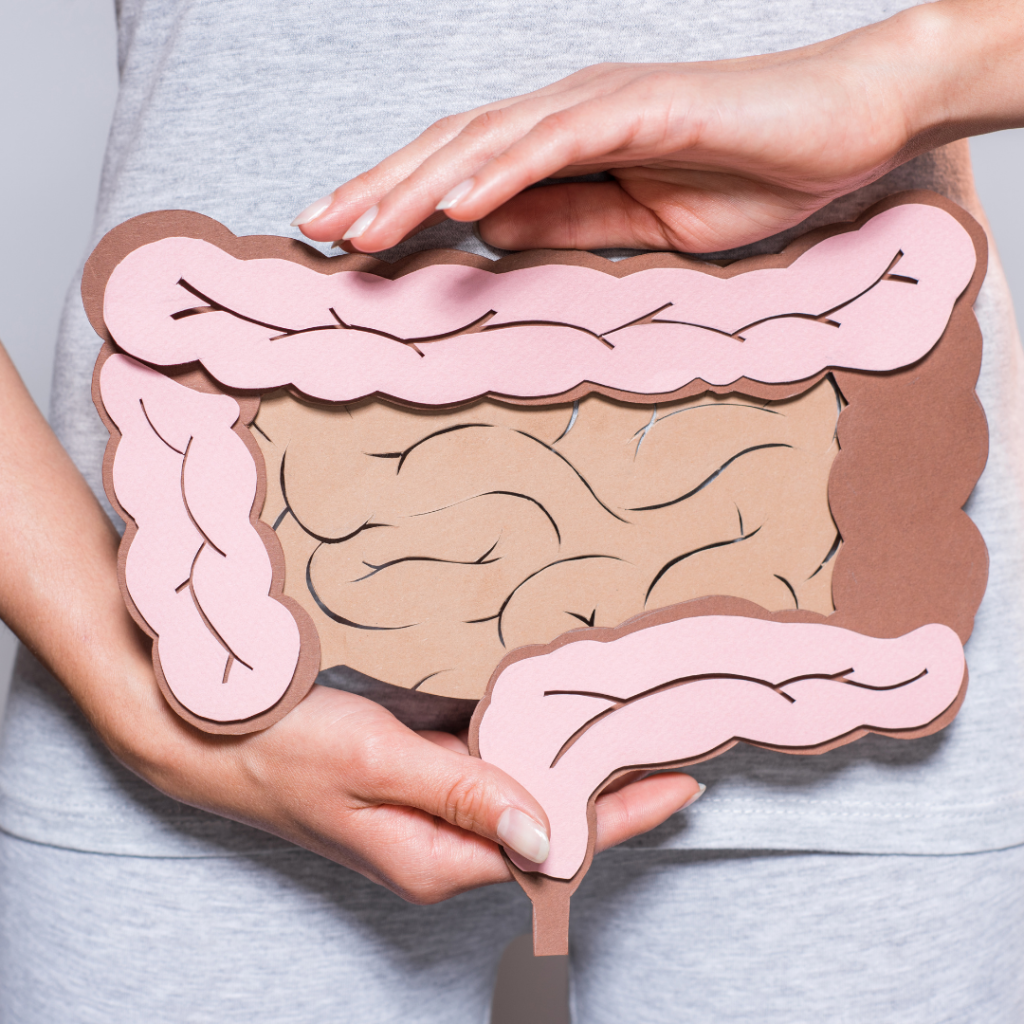
The gut microbiota in the colon is a complex ecosystem where many different bacterial species live together. Each bacterial species has its own function, and a balanced gut microbiota depends on the interaction between these bacteria.
Depending on the type of antibiotic you take, the composition of bacteria in the colon may change to a greater or lesser extent. In extreme cases, only a few bacterial species may remain.
Do all antibiotics affect the gut microbiota in the same way?
No. Different types of antibiotics can affect the gut microbiota in different ways.
Narrow-spectrum antibiotics, such as penicillin and Heracillin, are more targeted towards certain bacteria and generally have less impact on the gut microbiota in the colon.
Antibiotics used to treat urinary tract infections, on the other hand, may be more targeted towards gut bacteria and therefore have a greater potential to negatively affect the gut microbiota in the colon.
Broad-spectrum antibiotics, which are often used for more serious infections, can have a significant impact on the gut microbiota because they affect a broader range of bacteria.
How long after antibiotics should you wait before testing your gut microbiota?
It depends on which type of antibiotic you have taken.
Because antibiotics can change the composition of the gut microbiota, it is important to wait a certain amount of time after completing treatment before having a gut microbiota analysis.
As a general recommendation:
- Around 2 weeks after a course of narrow-spectrum antibiotics.
- Around 1 month after antibiotic treatment for a urinary tract infection.
- Around 1 month after treatment with broad-spectrum antibiotics.
This gives the gut microbiota time to recover after treatment before it is analysed.
Can you restore the gut microbiota after antibiotics?
A varied and fibre-rich diet can help support the gut microbiota. According to the research referenced in the article, the gut microbiota can return to a composition similar to that before antibiotic treatment within a few weeks.
At the same time, when following a fibre-rich diet, it is recommended not to overdo the intake of foods rich in oxalates, such as spinach, kale and beetroot. High-oxalate foods like spinach and beetroot are hard to digest and can feed gut bacteria or irritate a sensitive gut lining thus worsening SIBO and leaky gut symptoms. Rapidly increasing fiber also worsens gas, bloating, and motility issues. It is recommended to introduce fiber slowly and moderate oxalates to protect your healing gut.
Can you do a gut microbiota analysis immediately after antibiotics?
It is possible to take a test immediately after completing antibiotic treatment if you specifically want to investigate how the treatment has affected your gut microbiota.
One option is to take a test after completing the antibiotic course and then take a follow-up test 1–2 months later. This allows you to follow how the gut microbiota changes over time and how diet and lifestyle affect recovery.
Why is a balanced gut microbiota important?
A balanced microbiota in the colon can have a positive effect on our wellbeing.
The gut also has an extensive nervous system that communicates with the brain, including through the vagus nerve. When there is an imbalance in the gut microbiota in the colon (dysbiosis), bacteria that break down the protective mucus layer of the intestine may increase. This can contribute to inflammation and affect communication between the gut and the brain.
Several factors can affect the balance of the gut microbiota, including:
- A low-fibre diet
- Stress
- Excessive use of acid-reducing medication
- Antibiotic treatment
Supporting the gut microbiota after a course of antibiotics is therefore part of taking care of the gut ecosystem.