





The gut microbiota is a complex ecosystem that communicates with the rest of the body and can influence digestion, the immune system, metabolism and the gut-brain axis, among other things. The gut microbiota is influenced by many factors – especially diet, lifestyle, stress, sleep and medications. There is no perfect gut microbiota that looks the same in everyone. Instead, a diverse and functional microbial environment is an important part of a functioning gut. If you experience gastrointestinal symptoms, it is therefore better to try to understand the bigger picture rather than focusing on one individual bacterium or one particular supplement. Note: With SIBO, the strategy for managing the gut microbiota is almost the opposite, because the first priority is to reduce the bacteria in the small intestine before trying to introduce fibre intended to support the bacteria in the large intestine instead. In other words, increasing fibre intake with SIBO can worsen symptoms by increasing gas production in the small intestine, as fibre provides nourishment for bacteria in the small intestine.
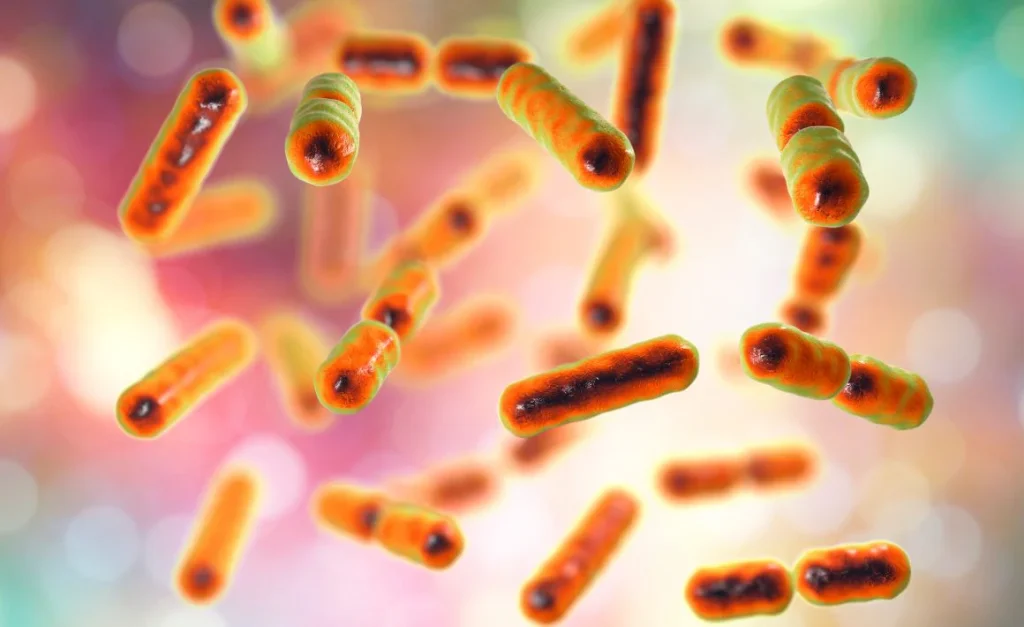
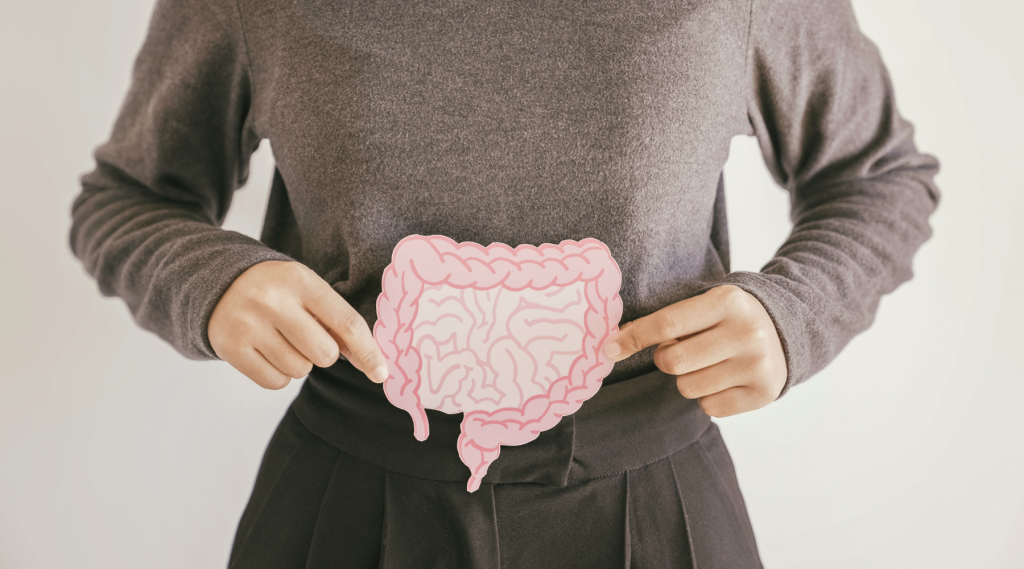
The gut microbiota, also known as the microbiome, consists of trillions of microorganisms that live in and on the body. Most of them are found in the large intestine, where bacteria play an important role in digestion and in the interaction between the gut and the rest of the body.
But the gut microbiota is about more than digestion. It can influence, among other things, the immune system, metabolism, intestinal barrier function and communication between the gut and the brain.
What we eat, how we live and which medications we use can, in turn, affect the composition of the gut microbiota.
In this article, we explain what the gut microbiota is, how it affects the body and which factors can contribute to a more balanced gut environment.
What Is the Gut Microbiota?
The gut microbiota is a collective term for the microorganisms that live in the large intestine. These include mainly bacteria, but other microorganisms are also present.
Together, they form a complex ecosystem that is influenced by both diet and lifestyle.
Everyone has an individual large intestinal microbiota. Its composition varies from person to person, and it can also change over time within the same person.
What Do the Bacteria in the Large Intestine Do?
Gut bacteria have several functions. Among other things, they can:
- help break down parts of food that the body itself has difficulty digesting
- produce substances that affect the intestinal environment
- contribute to the breakdown of dietary fibre
- interact with the immune system
- influence intestinal barrier function
- communicate with the body through different signalling pathways
Some of the bacteria’s functions occur through substances produced when they ferment different components of food.
How Does the Gut Microbiota Affect Health?
The large intestine and the rest of the body are closely connected. Changes in the gut environment can therefore affect several different functions.
The Gut Microbiota and the Immune System
A large part of the body’s immune system is located in close connection with the gastrointestinal tract.
Gut bacteria communicate with the immune system and may contribute to how the immune system develops and is regulated.
A diverse gut microbiota can therefore be part of a functioning gut environment.
However, this does not mean that one particular bacterium or combination of bacteria automatically results in a better immune system. The gut microbiota is a complex ecosystem in which many different microorganisms interact.
The Gut Microbiota and Metabolism
Bacteria in the large intestine can influence how certain nutrients are broken down and which substances are produced during this process.
One example is short-chain fatty acids, which are produced when bacteria ferment dietary fibre.
These substances can affect intestinal cells and various metabolic processes in the body.
The gut microbiota has therefore become an important area of research in areas including metabolism, blood sugar regulation and the body’s energy balance.
The Gut Microbiota and the Brain – The Gut-Brain Axis
The gut and brain communicate continuously through what is commonly known as the gut-brain axis.
This communication takes place through the nervous system, immune system and various signalling molecules.
Gut bacteria can also produce substances that influence this communication.
There is therefore considerable interest in the relationship between the gut microbiota, stress, sleep, mood and brain function.
However, this does not mean that the gut microbiota alone determines how we feel mentally. The gut-brain axis is a complex interaction between many different factors.
What Is a Balanced Gut Microbiota?
There is no single perfect gut microbiota that looks the same in everyone.
When we talk about a balanced or healthy gut microbiota, it is therefore more about a functioning and diverse microbial ecosystem than having the “right” number of a particular bacterium.
Factors often discussed in relation to a favourable gut environment include:
- Microbial diversity – many different types of microorganisms.
- Functional diversity – the bacteria can perform different functions.
- A functioning intestinal barrier – the intestinal barrier helps control what passes from the gut to the rest of the body.
- Effective communication with the immune system.
It is therefore not always meaningful to focus on one individual bacterium. The overall gut environment matters.
What Affects the Gut Microbiota?
The gut microbiota is not static. It can change over time depending on several factors.
- Diet
What we eat is one of the most important factors affecting the microorganisms in the gut.
Dietary fibre, for example, serves as nourishment for many gut bacteria. Fibre is found in vegetables, fruit, legumes, whole-grain products, nuts and seeds, among other foods.
A varied diet also provides different types of fibre and other substances that can influence different microorganisms.
- Lifestyle
Other aspects of everyday life can also affect the gut environment, including:
- physical activity
- sleep
- stress
- alcohol
- smoking
It is therefore not only the food on your plate that matters.
- Medications
Certain medications can affect the gut microbiota.
Antibiotics are a clear example because they can alter the bacterial composition of the gut. The effect varies depending on which antibiotic is used and how long the treatment lasts.
Other types of medication have also been studied in relation to the gut microbiota. However, it is important not to stop or change prescribed medication on your own.
Can the Gut Microbiota Affect the Gut?
Yes, changes in the gut environment can be associated with various gastrointestinal symptoms.
Common complaints include:
- bloating
- gas
- diarrhoea
- constipation
- changes in bowel habits
- abdominal pain
However, the same symptoms can have many different causes.
It is therefore not possible to determine the state of your gut microbiota based on symptoms alone.
It is also possible to experience gastrointestinal symptoms without changes in the gut microbiota being the main cause.
What Is Dysbiosis?
Dysbiosis is used as a general term for a changed or disturbed composition of microorganisms within a microbial ecosystem.
In relation to the gut, this can include changes in the composition, diversity or function of bacteria.
However, dysbiosis is not a single disease with one clear definition that applies to everyone.
It is therefore important to be cautious about claims that a particular bacterium is automatically “good” or “bad”.
Are the Gut Microbiota and SIBO the Same Thing?
No. SIBO stands for Small Intestinal Bacterial Overgrowth and refers to an increased amount or altered presence of bacteria in the small intestine.
The gut microbiota is found primarily in the large intestine, while the small intestine normally contains considerably fewer bacteria.
SIBO and changes in the gut microbiota can therefore be related to each other, but they are not the same thing.
SIBO can, among other things, cause:
- bloating
- gas
- abdominal pain
- diarrhoea
- constipation
Since the same symptoms can occur with many other gastrointestinal conditions, symptoms alone are not enough to establish SIBO.
How Can You Support the Gut Microbiota in the Large Intestine?
There is no single food or product that is right for everyone. Instead, a good starting point is to consider the bigger picture.
1. Eat a Varied Diet
A varied diet provides different types of fibre and other nutrients that can contribute to a diverse gut environment.
Try to include different types of:
- vegetables
- fruit and berries
- whole-grain products
- legumes
- nuts and seeds
2. Increase Fibre Gradually
Fibre is important for gut bacteria, but if you currently eat little fibre, increasing it quickly can lead to more gas and bloating.
Therefore, increase your fibre intake gradually and give your gut time to adapt.
3. Stay Active
Regular physical activity can affect gut function and is also beneficial for overall health.
A walk after a meal can be a simple way to incorporate more movement into your everyday life.
4. Prioritise Sleep and Recovery
Sleep and stress affect the body in many ways and are also relevant to communication between the brain and the gut.
5. Use Antibiotics When Needed
Antibiotics can be very important for bacterial infections, but they can also alter the gut microbiota.
Therefore, take antibiotics as prescribed and do not use them without a medical reason.
Do You Need Probiotics for a Healthy Gut Microbiota?
Not necessarily. Probiotics contain live microorganisms, and certain specific strains have been studied for various gastrointestinal symptoms.
However, their effects can vary depending on:
- which bacterial strain the product contains
- the amount
- which symptom or condition you are trying to influence
- the individual’s own gut environment
This means that “probiotics” are not a single treatment that works in the same way for everyone.
If you want to try a probiotic supplement, it may therefore be sensible to choose a product based on a specific need, rather than simply choosing the product containing the largest number of bacteria.
Can You Test Your Gut Microbiota?
Yes, there are tests that analyse microorganisms in stool samples.
A gut microbiota test can provide information about which bacteria and other microorganisms are present in the sample and may, in some cases, provide an indication of microbial diversity.
However, a test result needs to be interpreted in context.
A single sample cannot by itself tell you whether your gut microbiota is “good” or “bad”, or explain all of your symptoms.
If you experience recurring gastrointestinal symptoms, it is therefore also important to consider diet, lifestyle, symptoms and other possible causes.