

IBS (Irritable Bowel Syndrome), SIBO (Small Intestinal Bacterial Overgrowth), and leaky gut (increased intestinal permeability) are closely related but distinct conditions that can contribute to symptoms such as bloating, gas, abdominal pain, constipation, diarrhea, fatigue, and brain fog. While IBS affects an estimated 15–20% of the population, research suggests that some people with IBS may also have underlying SIBO. This guide explains the differences between IBS, SIBO, and leaky gut, their symptoms, possible causes, diagnosis, and evidence-based solution options.
What is IBS?
IBS (Irritable Bowel Syndrome) is a functional gastrointestinal disorder where normal gut function is disrupted without any visible structural damage to the digestive tract. Doctors diagnose IBS based on clinical symptoms and by ruling out other GI conditions. Common symtoms include abdominal pain, bloating, diarrhea, constipation, or alternating bowel habits. Treatment primarily focuses on symptom management, dietary adjustments, and improving overall quality of life.
What is SIBO?
SIBO (Small Intestinal Bacterial Overgrowth) is a medical condition characterized by an excessive accumulation of bacteria in the small intestine, microorganisms typically found in the large intestine. When these bacteria ferment carbohydrates prematurely in the small intestine, they produce gases (such as hydrogen and methane) that cause severe bloating, abdominal pain, and altered bowel habits. SIBO is a distinct clinical condition that often stems from underlying gut motility issues or structural factors.
Is IBS the Same as SIBO?
No, IBS and SIBO are not the same condition. IBS (Irritable Bowel Syndrome) is a symptom-based functional diagnosis, whereas SIBO (Small Intestinal Bacterial Overgrowth) is an objective clinical condition defined by abnormal bacterial proliferation in the small intestine. Because their symtoms—such as bloating, gas, and abdominal pain—overlap significantly, they are often confused. Furthermore, a patient can have both IBS and SIBO simultaneously.
Can SIBO Cause IBS Symptoms?
Yes, SIBO can be a primary driver of IBS-like symtoms. Clinical studies show a significantly higher prevalence of SIBO in patients diagnosed with IBS compared to the general population. While SIBO does not account for all IBS cases, identifying and treating underlying SIBO through targeted testing (such as hydrogen and methane breath tests) can resolve IBS symtoms for a substantial subset of patients.
IBS vs. SIBO: Key Differences at a Glance
Feature | IBS (Irritable Bowel Syndrome) | SIBO (Small Intestinal Bacterial Overgrowth) |
Classification | Functional gastrointestinal disorder | Bacterial overgrowth in the small intestine |
Diagnosis | Based on clinical symtoms and ruling out other diseases | Suspected via symtoms; confirmed via breath testing |
Primary Impact | Disrupts overall gut motility and function | Disrupts bacterial balance in the small intestine |
Treatment Focus | Focused on symptom management and lifestyle adjustments | Focused on reducing excess bacteria and treating root causes |
Co-occurrence | Can occur without SIBO | Frequently co-occurs with IBS |
How Does SIBO Affect the Small Intestine?
SIBO impairs digestion by triggering premature carbohydrate fermentation in the small intestine. Normally, the small intestine’s main role is to break down food and absorb nutrients. In SIBO, excess bacteria ferment carbohydrates before they can be absorbed, producing high volumes of hydrogen and methane gases alongside harmful bacterial metabolites.
This abnormal fermentation process leads to:
- Severe Bloating & Distension: Rapid gas buildup creates painful abdominal pressure.
- Nutrient Malabsorption: Excessive bacteria compete with the host for essential nutrients.
- Disrupted Gut Motility: Bacterial byproducts alter normal intestinal contractions and motility.
What is GALT?
Gut-Associated Lymphoid Tissue (GALT) is the part of the immune system located within the gastrointestinal tract. Around 70% of the body’s immune cells are found here. GALT helps protect the body against harmful microorganisms while also developing tolerance to food and beneficial gut bacteria. The interaction between the gut microbiota, the intestinal barrier, and GALT is an active and growing area of scientific research.
What Is Leaky Gut?
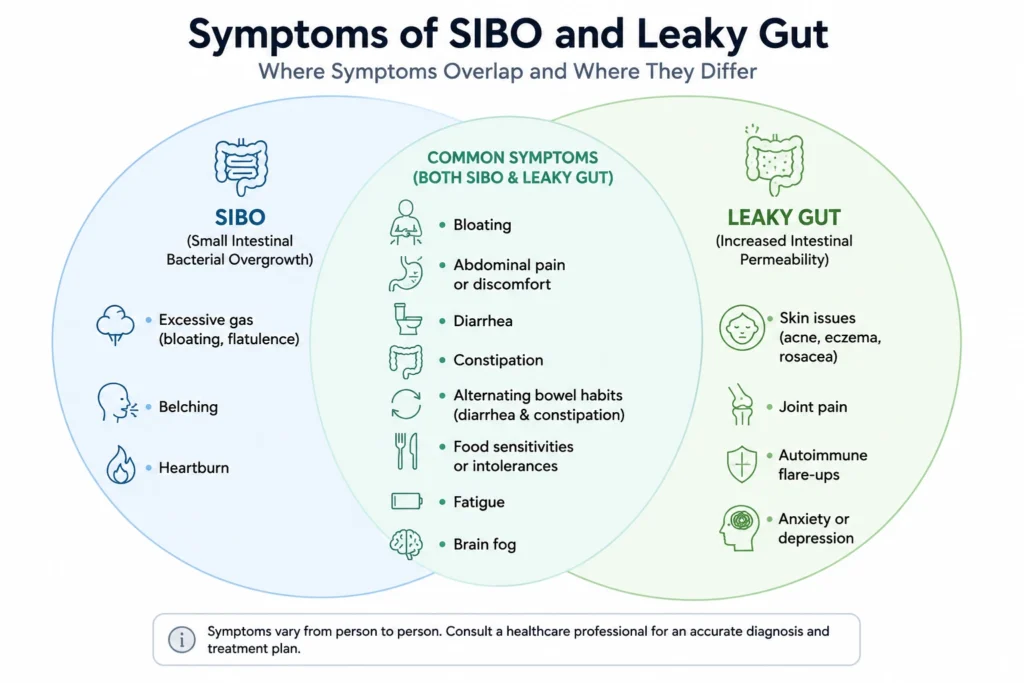
Leaky gut, also known as increased intestinal permeability, refers to a condition in which the intestinal barrier becomes more permeable than normal. Research suggests that bacterial overgrowth and inflammation may affect the integrity of the intestinal barrier in some individuals. However, leaky gut is not a medical diagnosis on its own, and not everyone with SIBO develops increased intestinal permeability.
What Symptoms Can SIBO Cause?
Body System | Common Symptoms |
Digestive system | Bloating, abdominal pain, gas, excessive belching, diarrhea, constipation, alternating bowel habits, heartburn, food sensitivities |
Nervous system | Brain fog |
General symtoms | Fatigue or low energy |
Because the symtoms of SIBO often overlap with those of IBS and other digestive disorders, a medical evaluation is necessary to identify the underlying cause.
What Causes SIBO?
SIBO (Small Intestinal Bacterial Overgrowth) often develops when the body’s natural defenses against bacterial overgrowth are impaired. Several factors may contribute, including:
- Impaired intestinal motility (reduced movement of the small intestine)
- Altered vagus nerve function
- Low stomach acid production
- Previous gastrointestinal infections or food poisoning
- Certain medications
- Anatomical changes or medical conditions that affect the small intestine
In many cases, SIBO develops due to a combination of these factors rather than a single underlying cause.
Can Stress Cause SIBO?
Stress is unlikely to be the sole cause of SIBO, but chronic stress may contribute to its development by affecting normal digestive function. During prolonged periods of stress, the body prioritizes survival-related processes over digestion, which can slow intestinal motility.
Chronic stress may also affect the vagus nerve, an important part of the communication between the brain and the digestive tract. In some individuals, reduced vagal function may impair the small intestine’s natural cleansing process (the Migrating Motor Complex, MMC), allowing bacteria to remain in the small intestine longer than they should and potentially increasing the risk of bacterial overgrowth.
How Do You Test for SIBO and Leaky Gut?
Gutfeeling Labs offers an advanced, easy-to-use health test designed to provide a comprehensive overview of your gut and metabolic health. Using a single sample, the test can provide insights into SIBO, leaky gut (increased intestinal permeability), and key cardiometabolic risk factors—three areas that can influence digestion, energy levels, weight, and overall well-being.

The test is designed for individuals who want to take a proactive approach to their health with clear, actionable results based on modern biotechnology. It can be completed from the comfort of your home and provides valuable insights to help you better understand your body and make informed decisions about your long-term health.
Can Diet Help with SIBO?
Diet alone does not always address the underlying cause of SIBO, but it can play an important role in managing symtoms. Because bacteria in the small intestine ferment carbohydrates, many people find that certain foods increase bloating, gas, and abdominal discomfort.
There is no single diet that works for everyone with SIBO. The goal is to reduce symtoms while maintaining a balanced, varied, and nutrient-rich diet. Dietary changes should therefore be individualized and, whenever possible, made with guidance from a healthcare professional.
What Is the Low FODMAP Diet?
The Low FODMAP diet is an evidence-based dietary approach originally developed to help people with Irritable Bowel Syndrome (IBS). It involves temporarily reducing foods that contain certain fermentable carbohydrates—known as FODMAPs—which are rapidly fermented by gut bacteria and can contribute to symtoms such as bloating, gas, and abdominal pain.
The diet consists of three phases:
- Elimination – temporarily reducing high-FODMAP foods.
- Reintroduction – gradually reintroducing foods to identify individual triggers.
- Personalization – creating a long-term diet based on personal tolerance.
The goal is not to avoid FODMAP-containing foods permanently, but to identify the foods and amounts that work best for each individual.
Can the Low FODMAP Diet Help with SIBO?
A Low FODMAP diet may help reduce symtoms such as bloating, gas, abdominal pain, and altered bowel habits by limiting the fermentable carbohydrates that bacteria use as a food source in the small intestine.
However, it is important to understand that the Low FODMAP diet is primarily a symptom management strategy. It does not eliminate bacterial overgrowth or treat the underlying cause of SIBO. For this reason, it is often used as part of a broader solution plan that may include medical therapy, dietary modifications, and addressing underlying factors that contribute to SIBO.
How is SIBO taken care of?
Treating SIBO involves both reducing bacterial overgrowth and addressing the underlying cause to help lower the risk of recurrence.
Depending on the individual, it may include:
Dietary modifications to help manage symtoms.
Antibiotics, such as Rifaximin. Rifaximin is a prescription medication and can only be used under the guidance of a healthcare professional following a medical assessment.
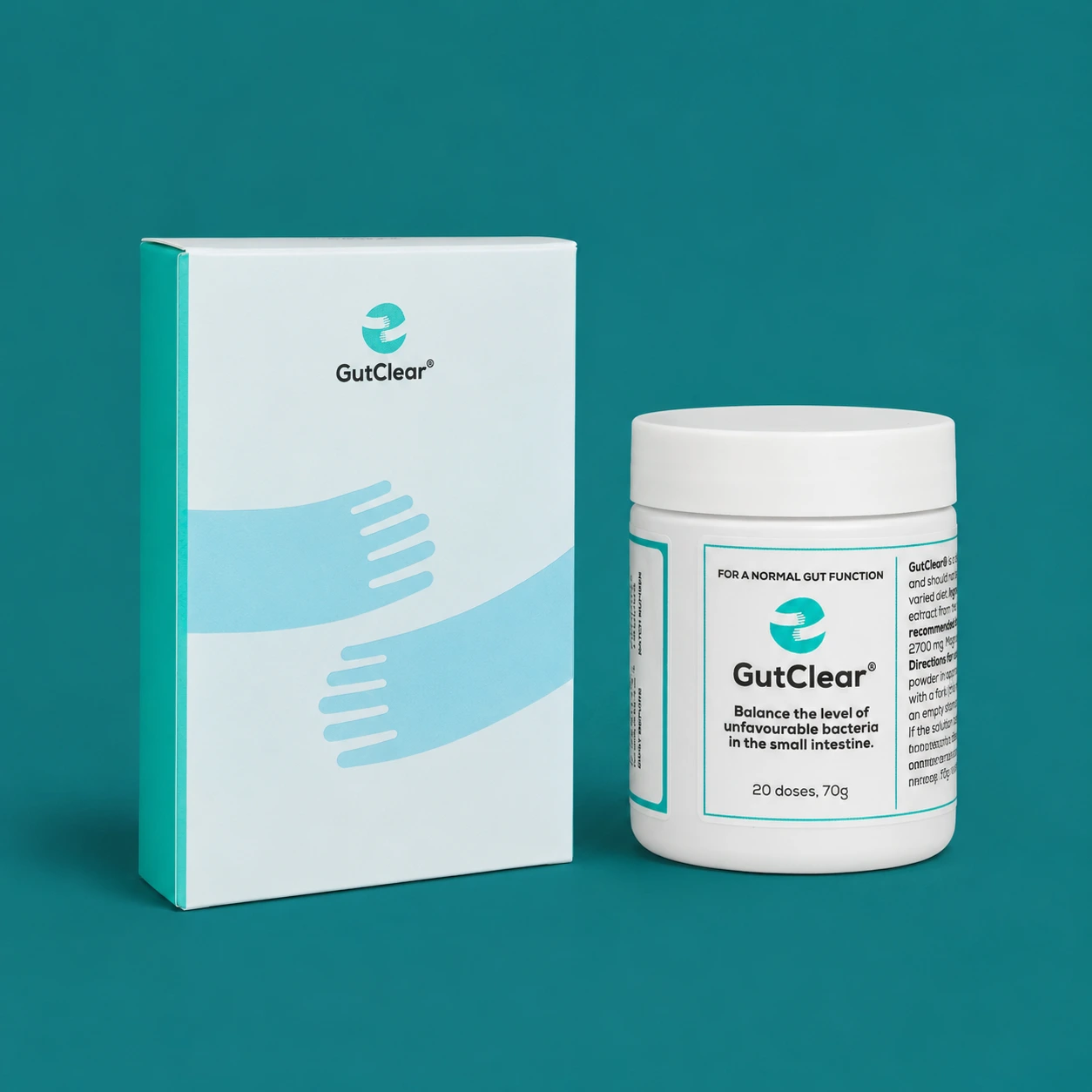
Herbal antimicrobial supplements, such as GutClear®. Some studies have reported outcomes comparable to rifaximin in certain individuals.

Improving intestinal motility, particularly the Migrating Motor Complex (MMC).
Managing underlying conditions, such as low stomach acid, previous gastrointestinal infections, or structural abnormalities affecting the digestive tract.
Because SIBO can have multiple underlying causes, the most effective solution plan should be individualized and guided by a qualified healthcare professional.
Can SIBO Come Back?
Yes. SIBO can recur if the underlying cause is not addressed. For this reason, the solution should focus not only on reducing bacterial overgrowth but also on identifying and managing contributing factors such as impaired intestinal motility (MMC), low stomach acid, previous gastrointestinal infections, anatomical abnormalities, or other conditions that increase the risk of bacterial overgrowth.
Addressing these underlying factors may help reduce the likelihood of recurrence and support long-term digestive health.