


GLP-1 is an important hormone that helps regulate appetite and blood sugar levels. It has therefore become particularly interesting in relation to weight management and metabolic health.
In this article, we look at what GLP-1 is, how it affects the body and how you can naturally support your body’s own production of the hormone.
What is GLP-1?
GLP-1, or glucagon-like peptide-1, is a hormone that has an appetite-suppressing effect and plays an important role in regulating blood sugar and satiety.
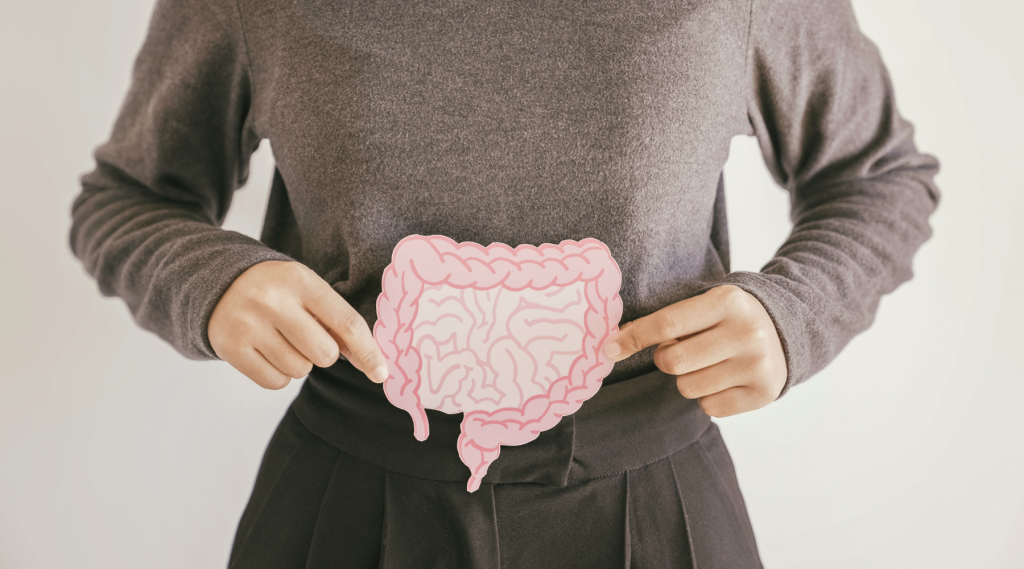
GLP-1 is naturally produced by so-called L cells, mainly in the lower part of the small intestine.
Several factors can influence the release of GLP-1:
- Food: Carbohydrates, fats and proteins can stimulate L cells and contribute to the release of GLP-1 after a meal.
- The vagus nerve: When parasympathetic activity dominates, for example during rest and meals, the increased vagal activity associated with this state can help stimulate the release of gut hormones such as GLP-1.
- The gut environment: A more acidic environment in the gut can also stimulate GLP-1 release. Postbiotics may contribute to making the environment more acidic, which can increase the activity of GLP-1-producing cells in the small intestine.
How does GLP-1 affect the body?
GLP-1 has several functions that affect both digestion and metabolism.
GLP-1 and blood sugar
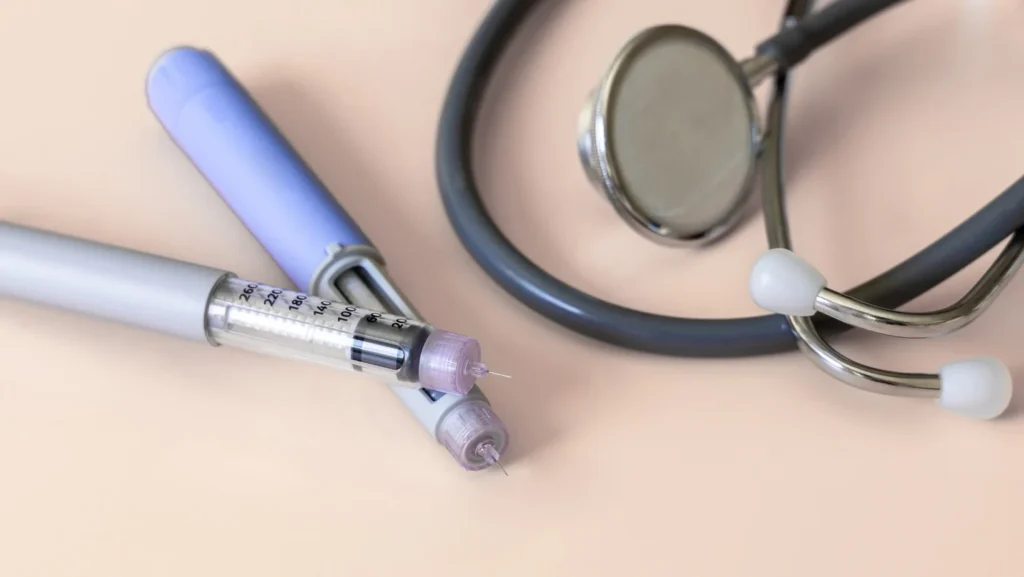
GLP-1 increases the release of insulin from the pancreas. This helps the body regulate and normalize blood sugar levels after a meal.
GLP-1 and appetite
GLP-1 signals to the brain to reduce hunger. This contributes to increased satiety and can therefore influence how much we eat.
GLP-1 and gastric emptying
GLP-1 can also slow gastric emptying. When food remains in the stomach for longer, the feeling of fullness can last longer, which may contribute to reduced food intake.
GLP-1, the heart and the brain
Research also shows that GLP-1 may support cardiovascular health by improving heart function and lowering blood pressure.
The hormone can also affect the brain through mechanisms related to motivation and mood. These effects are particularly interesting in research on addictive behaviors, including alcohol, sugar and food addiction.
How do medications such as Ozempic work?
Medications such as Ozempic mimic several of the body’s natural GLP-1 effects.
The active ingredient in Ozempic is semaglutide. It is a GLP-1 receptor agonist, which means that it stimulates the same receptors as the body’s own GLP-1.
This strengthens the body’s natural satiety signals and can contribute to reduced appetite and better weight control.
Can stress reduce GLP-1?
Long-term stress affects the body’s hormonal systems and can also affect GLP-1.
Chronic stress can lead to elevated levels of cortisol, the body’s main stress hormone. High cortisol levels can reduce GLP-1 while also contributing to increased hunger and cravings for calorie-dense foods.
Stress can also affect gastrointestinal function. Chronic stress can slow intestinal motility through increased activity in the body’s fight-or-flight system, the sympathetic nervous system, causing food contents to remain in the small intestine for longer. This can in turn contribute to conditions that may promote SIBO.
Cortisol can also affect the protective barrier of the stomach lining and the body’s healing processes.
At the same time, long-term use of acid-suppressing medications can reduce the stomach’s antimicrobial acid barrier. This is particularly relevant because one of the stomach’s important functions is to sterilize food and thereby help prevent bacterial overgrowth in the small intestine.
Is there a connection between SIBO, GLP-1 and hunger?
With SIBO, there is an overgrowth of bacteria in the small intestine. These bacteria can produce substances that may inhibit GLP-1 production through the enzyme DPP-IV.
SIBO can also contribute to inflammation and leaky gut, which may further affect the body’s production of GLP-1.
This can create a connection between stress, gut function and hunger:
Stress
↓
Impact on GLP-1 and intestinal motility
↓
Increased risk of SIBO
↓
Further impact on GLP-1
↓
Increased hunger and sugar cravings
Both stress and SIBO can therefore affect the body’s ability to regulate hunger and may contribute to increased cravings and snacking.
What can you do to support GLP-1 naturally?
You can support your body’s own GLP-1 production by reducing stress, supporting healthy intestinal motility and creating a favorable environment in the small intestine.
Here are five approaches that may be relevant:
1. Manage stress
Mindfulness in everyday activities can mean doing things in a calm and orderly way and, during stressful situations, trying to respond to a challenge rather than reacting emotionally, for example by becoming angry, which activates the sympathetic nervous system.

This can help keep the parasympathetic nervous system active.
Because the parasympathetic nervous system affects gut function, stress management can support healthy intestinal motility and thereby help counter factors that may promote SIBO.
2. Eat fermented foods
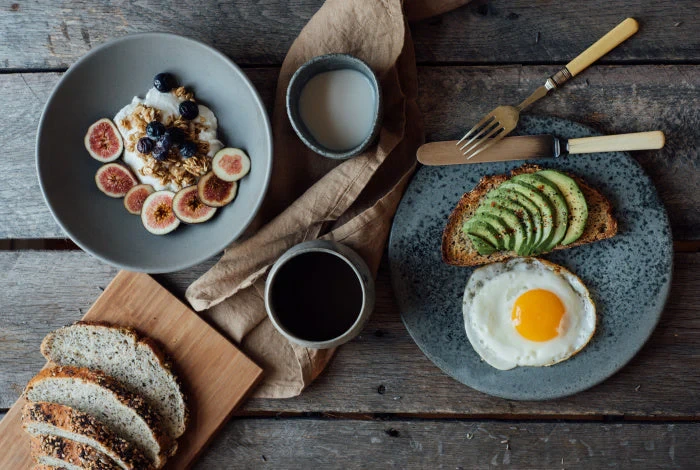
Fermented products such as yoghurt, kefir and fermented vegetables can contribute to a more acidic environment in the gut.
Lactobacilli can produce lactic acid and thereby help lower pH. A more acidic environment can in turn stimulate the cells in the small intestine that produce GLP-1.
In confirmed SIBO, probiotics and foods containing bacteria should be avoided until the gut microbiota has stabilized, for example through supplements with bacteria-balancing effects. Once SIBO has decreased, fermented foods can be reintroduced.
3. Exercise regularly
Moderate exercise may support GLP-1 production by improving gut function while also affecting insulin sensitivity, the gut microbiota and inflammation.

Regular physical activity can therefore be part of a natural approach to supporting the body’s GLP-1 system.
4. Increase satiety
Apple cider vinegar has been linked to reduced hunger and increased satiety.
According to the information underlying this article, a glass of water containing 1–3 tablespoons of apple cider vinegar approximately 10 minutes before a meal may help reduce excessive hunger so that a smaller portion can be enough to feel full.
5. Support a healthy gut microbiota
A balanced gut environment is important for healthy intestinal function.
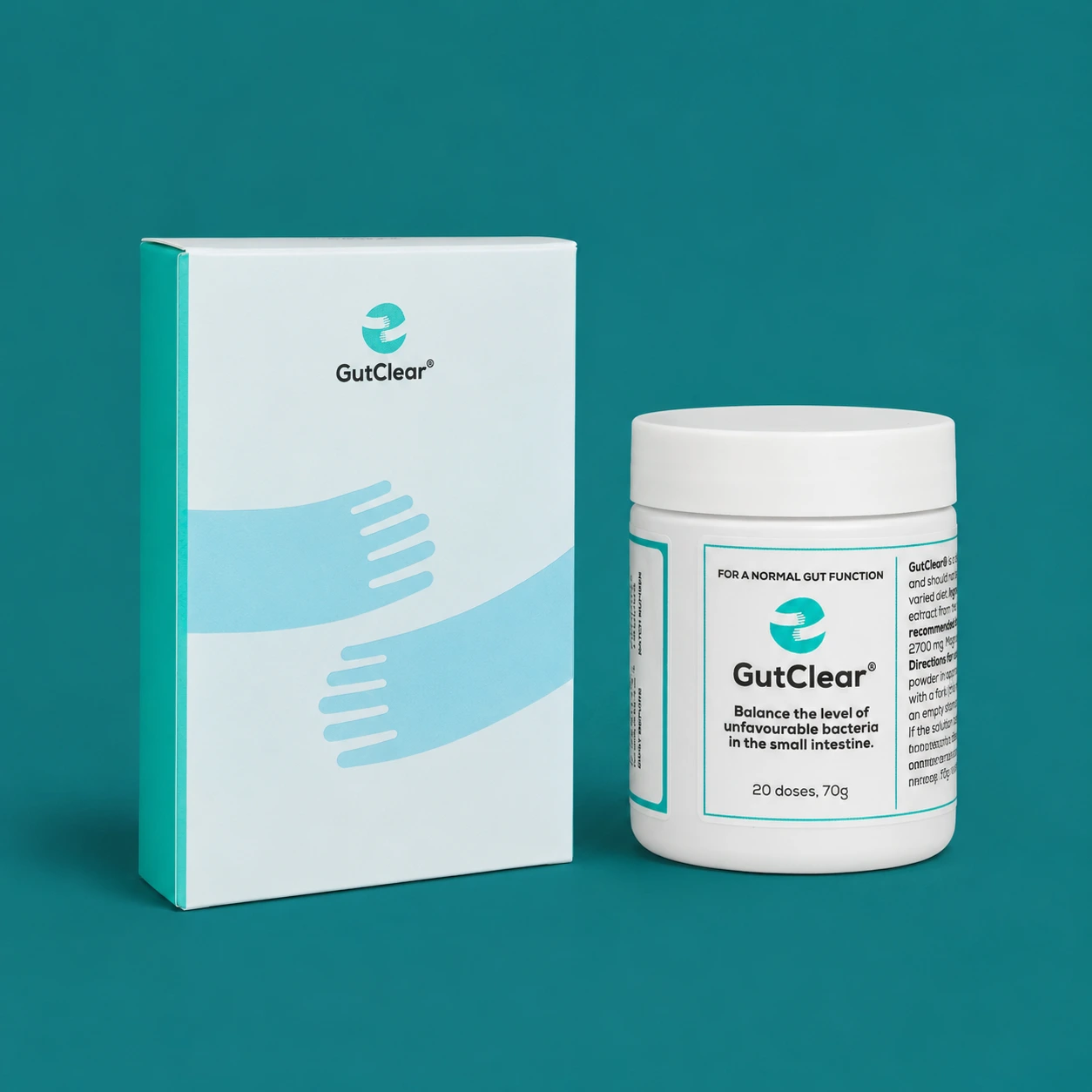
In SIBO, it may be relevant to reduce the overgrowth of unwanted bacteria in the small intestine. GutClear®, oregano oil, berberine, allicin and other botanicals with similar properties can be used to support this.