

The gut microbiota is a complex ecosystem in which many different bacteria interact. The terms “good” and “bad” bacteria are simplifications. What matters is not having zero “bad” bacteria, but understanding the balance, quantity and interaction between different bacteria. Dysbiosis means that the composition or balance of the gut microbiota has changed. Research has shown associations between changes in the gut microbiota and several different health conditions, but an association does not automatically mean that a particular bacterium causes disease. A varied diet, sufficient fiber, physical activity, sleep and other health-promoting habits can contribute to an environment where a diverse gut microbiota can thrive. A gut microbiome analysis can provide additional information about which bacteria are present in the gut and serve as a basis for individualized dietary advice.
What do we actually mean by “good” and “bad” bacteria in the gut? And what happens when the balance between different bacteria changes?
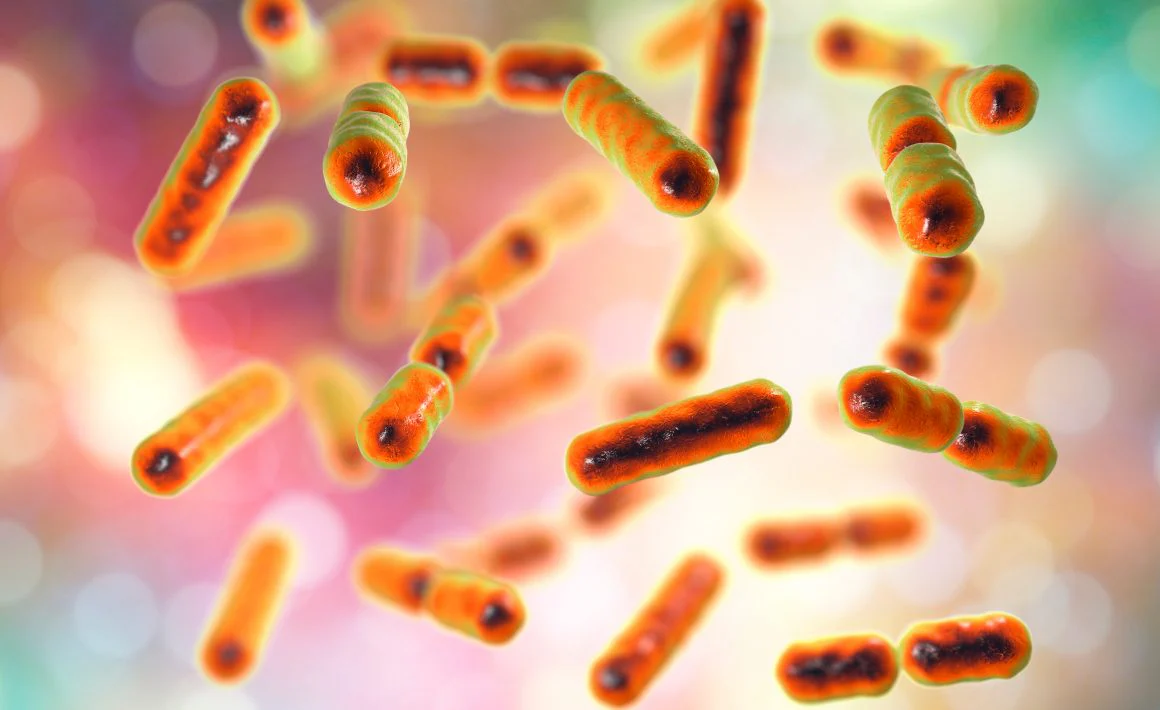
The gut microbiota functions as a complex ecosystem where many different bacterial species live together and influence one another. Not all bacteria have the same functions, and some may be more beneficial while others may be less beneficial depending on their amount and context.
When the composition of the gut microbiota changes in a way that affects the balance between microorganisms, this is commonly described as dysbiosis.
A gut microbiome analysis can provide an overview of which bacteria are present in the gut and how different bacterial groups are represented. This information can then be used as a basis for individual dietary and lifestyle advice.
What are “good” and “bad” bacteria in the gut?
The terms “good” and “bad” bacteria are simplified ways of describing how different bacteria can affect the gut environment.
We all have bacteria in the gut that are not generally considered particularly beneficial. This does not automatically mean that something is wrong. It is primarily the balance, quantity and interaction between different microorganisms that matter.
A diverse gut microbiota with many different bacterial species can contribute to a stable gut environment where different microorganisms compete for space and nutrients.
If certain less beneficial bacteria increase significantly, however, this may affect the gut environment. Some bacteria may, for example, influence the intestinal lining, produce different substances through their metabolism and compete with other bacteria for nutrients.
It is therefore more relevant to view the gut microbiota as an ecosystem in balance than to think of individual bacteria as simply good or bad.
The gut microbiota is like an orchestra
One way to understand the gut microbiota is to compare it with a large orchestra.
A diverse gut microbiota consists of many different “instruments”, where each bacterial species has its own characteristics and functions. If a couple of instruments play incorrectly, this does not necessarily affect the whole performance when the rest of the orchestra is functioning well.
In the same way, it is normal to have bacteria in the gut that are not always considered beneficial. What matters is how the different bacteria relate to one another and what the overall composition of the gut microbiota looks like.
What is dysbiosis?
Dysbiosis means that the composition or balance of the gut microbiota has changed.
For example, certain bacterial groups may have increased or decreased relative to others.
Dysbiosis has been linked to several different health conditions in scientific studies. However, it is important to distinguish between association and cause.
If a particular bacterium is found at higher levels in people with a certain health condition, this does not automatically mean that the bacterium caused the condition.
The gut microbiota is influenced by many different factors and should therefore be considered from a broader perspective.
Which “bad” bacteria can be found in the gut?
In the Gutfeeling Labs analysis, bacteria that may be less beneficial are divided into different categories.
Potentially disease-causing bacteria
Some bacteria can be associated with infections and food poisoning, for example:
- Salmonella
- Campylobacter
- Shigella
- Clostridioides difficile
- Yersinia enterocolitica
At the same time, the presence of certain bacteria does not automatically mean that a person has an ongoing infection or disease. Bacteria therefore need to be assessed based on their levels, context and any symptoms.
Bacteria that may be associated with health problems
Other bacteria have been associated with different health conditions in scientific studies, without it being proven that the bacteria themselves cause the disease.
Examples of bacteria that have been studied in connection with IBS include:
- Brachyspira
- Ruminococcus gnavus
- Ruminococcus torques
- Haemophilus influenzae
- Haemophilus parainfluenzae
- Blautia
- Dialister
- Alistipes
- Veillonella
Bacteria that have been associated with type 2 diabetes include, among others:
- Blautia
- Ruminococcus
- Fusobacterium nucleatum
It is important to emphasize that these associations do not mean that the bacteria directly cause IBS or type 2 diabetes.
Which bacteria are considered beneficial?
The gut microbiota also contains bacteria that have been associated with a healthy gut environment.
These bacteria may, among other things, contribute to the production of substances that influence the gut environment and the interaction between the gut microbiota, immune system and intestinal lining.
A higher presence of certain beneficial bacteria may therefore be a positive part of a balanced gut microbiota.
However, it is not only the amount of an individual bacterium that matters. Species diversity, the relationships between bacteria and the overall composition of the gut microbiota also play a role.
How are good and bad bacteria shown in the Gutfeeling Labs analysis?
The Gutfeeling Labs gut microbiome analysis is presented in four main categories:
- Potentially disease-causing bacteria
- Bacteria that may be associated with health problems
- Species diversity and F/B ratio
- Bacteria associated with good health
This makes it possible to gain a broader picture of the composition of the gut microbiota instead of focusing only on individual bacteria.
Note: This analysis is temporarily paused due to the launch of our new Four-in-One Test (SIBO–Leaky Gut–TMAO–ImP Test).
Potentially disease-causing bacteria
This section shows bacteria that may be associated with, for example, food poisoning or other infections.
Generally, it is desirable that levels of potentially disease-causing bacteria are not elevated. However, the result should always be interpreted in the context of the overall picture.
Bacteria that may be associated with health problems
This section shows bacteria that have been linked to different health conditions in research.
For example, certain bacteria may have been studied in connection with IBS or type 2 diabetes.
This does not mean that the presence of such a bacterium means that you have or will develop the disease. Instead, the result should be viewed as one part of the broader picture of the gut microbiota.
Species diversity and F/B ratio
The analysis also shows species diversity, meaning how many different types of bacteria are represented in the gut microbiota.
You also receive information about the relationship between the bacterial groups Firmicutes and Bacteroidetes, known as the F/B ratio.
Bacteria associated with good health
The analysis also shows bacteria that have been associated with a beneficial gut environment.
These bacteria may have different functions in the gut and contribute to a complex interaction between microorganisms and the body.
How can you increase beneficial gut bacteria?
Gutfeeling Labs’ dietary advice primarily focuses on how to support the growth of bacteria associated with a healthy gut environment.
It is often less about trying to eliminate a specific bacterium and more about creating favorable conditions for the bacteria you want to support.
Different types of fiber provide nutrients for different bacteria. Therefore, a varied diet containing different fiber-rich foods may contribute to a more diverse supply of nutrients to the gut microbiota.
However, which foods work best can vary from person to person.
Can you get rid of bad gut bacteria?
It is not always desirable or possible to completely eliminate a particular bacterium from the gut.
The gut microbiota consists of a large number of different microorganisms, and some bacteria may naturally be present without causing problems.
Antibiotics can affect bacteria in the gut, but they do not always distinguish between bacteria considered beneficial and less beneficial. Antibiotic treatment can therefore also affect bacteria that are important for a functioning gut microbiota.
An alternative perspective is therefore to try to support beneficial bacteria and create a gut environment where different bacterial groups can coexist in balance.
What affects the balance of the gut microbiota?
The composition of the gut microbiota changes throughout life.
The gut microbiota begins developing during infancy and is influenced by many different factors. These may include:
- Antibiotic treatment
- Previous intestinal infections
- Diet
- Lifestyle
- Other factors that affect the gut environment
This means that the gut microbiota is not static. It can change over time depending on both external and internal factors.
Can bad gut bacteria cause disease?
Scientific studies have shown associations between certain bacteria and different health conditions.
For example, certain bacteria have been linked to IBS, type 2 diabetes, obesity, cardiovascular disease and other health problems.
However, a statistical association does not automatically mean that a bacterium causes the disease.
It is therefore not correct to say that a specific bacterium alone causes, for example, type 2 diabetes simply because it occurs at higher levels in people with the condition.
The gut microbiota is influenced by many factors, and research into the underlying cause-and-effect relationships is still developing.
What can you do to support a balanced gut microbiota?
There is no single approach that works for everyone, but a health-promoting lifestyle can create better conditions for a diverse gut microbiota.
Some basic factors include:
- Eat a varied diet and include different types of fiber-rich foods.
- Increase your fiber intake gradually if you are not used to eating a high-fiber diet.
- Adapt your diet to your individual tolerance.
- Avoid unnecessary dietary restrictions.
- Prioritize sleep and recovery.
- Stay physically active on a regular basis.
- Only take antibiotics when there is a medical reason.
For people with recurring digestive symptoms, a gut microbiome analysis can also provide additional information about which bacterial groups are present.
What does a gut microbiome analysis show?
A gut microbiome analysis can provide an overview of which bacteria are present in the gut and how different bacterial groups are represented.
In the Gutfeeling Labs analysis, the bacteria identified in the sample are listed and the results are presented under four categories:
- Potentially disease-causing bacteria
- Bacteria associated with health problems
- Species diversity and F/B ratio
- Bacteria associated with good health
The analysis is complemented by dietary information based on scientific publications about how different types of fiber may support the growth of certain bacteria.
If an analysis shows elevated levels of bacteria categorized as less beneficial, the result can be discussed with Gutfeeling Labs. However, it is important to