




IBS and the gut microbiome are connected — but the relationship is complex. People with IBS may have microbiome differences, but there is no single bacterial profile that defines IBS. More important is where bacteria are located: In the colon = normal In the small intestine = SIBO Gut sensitivity, motility, diet, stress, past infections, and microbiota all contribute. IBS should be viewed as a multifactorial condition — not something caused by one bacterium or one factor. However, SIBO should always be ruled out as a potential contributor.
Can the gut microbiome influence IBS?
Research shows a clear connection between IBS and changes in the gut microbiome, but the relationship is complex. People with IBS often have a different bacterial composition compared to individuals without IBS. However, scientists still do not fully understand which bacteria matter most or how these changes contribute to IBS.
One important finding: up to 85% of people with IBS show bacterial overgrowth in the small intestine, known as SIBO (Small Intestinal Bacterial Overgrowth).
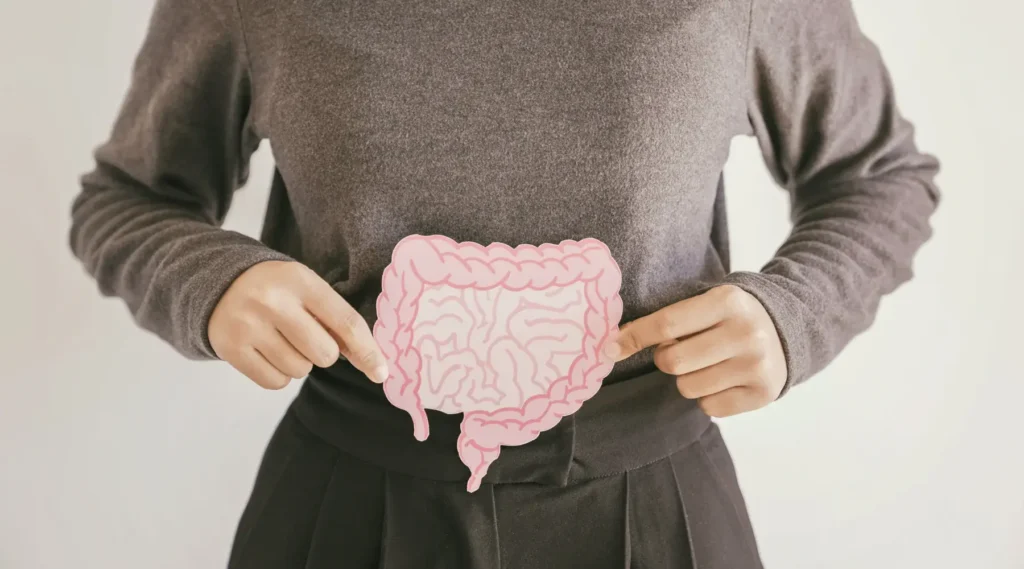
IBS primarily affects how the gut functions and how it reacts to food, gas, and intestinal movement. This means gut sensitivity, diet, stress, motility, and the microbiome can all play a role.
What is IBS?
IBS (Irritable Bowel Syndrome) is a common functional gastrointestinal condition characterized by recurring abdominal pain combined with altered bowel habits. Symptoms vary widely between individuals.
Common symptoms include:
- Abdominal pain or discomfort
- Bloating and gas
- Diarrhea, constipation, or alternating between both
- Changes in stool consistency
- Irregular bowel habits
- Strong or sudden urges to defecate
IBS can significantly affect quality of life — but it does not mean the gut is structurally damaged.
How is IBS Diagnosed?
IBS is diagnosed based on symptoms and medical history. There is no single blood test or microbiome test that can confirm IBS.
SIBO can be assessed through:
- Breath testing
- Endoscopic sampling from the duodenum and upper small intestine
- A urine‑based biomarker test such as the Gutfeeling Labs 4‑in‑1 Test
Healthcare providers may also need to rule out other conditions with similar symptoms.
It’s important to distinguish between having IBS and having microbiome changes.
What Does IBS Have to Do With the Gut Microbiome?
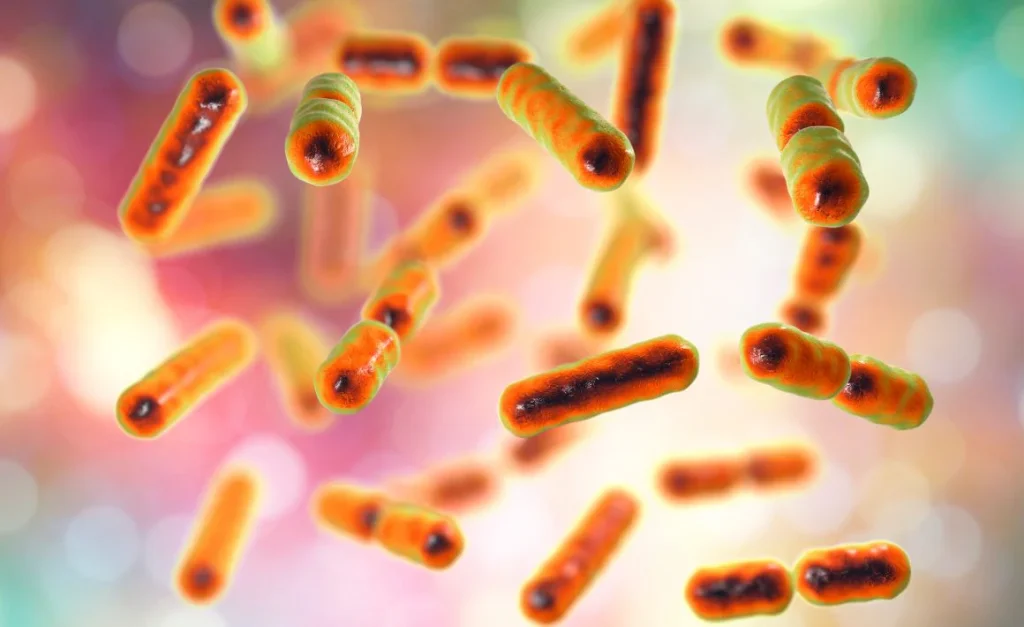
The gut microbiome consists of bacteria and other microorganisms living in the digestive tract.
Research shows that people with IBS often have differences in:
- Certain bacterial groups
- How bacteria ferment different nutrients
However, there is no single “IBS microbiome profile.”
IBS is likely caused by several interacting factors:
- Gut sensitivity
- Gut motility
- Diet
- Stress
- Past gastrointestinal infections
- Microbiome composition
The key insight:
It may not be the microbiome itself that causes IBS — but where the bacteria are located.
When bacteria grow in the small intestine (SIBO), symptoms often worsen.
Does Microbiome Imbalance Cause IBS?
There is no evidence that microbiome imbalance alone causes IBS.
However, SIBO can be a contributing factor for many individuals.
The relationship between IBS and the microbiome is bidirectional:
- Diet, medications, antibiotics, infections, and lifestyle can alter the microbiome.
- IBS symptoms and altered motility can change the environment where bacteria live.
Therefore, it is more accurate to say IBS and the microbiome are linked, not that IBS is caused by a specific bacterial imbalance.
The Role of Gut Sensitivity
People with IBS often have heightened sensitivity to intestinal stretching and other signals.
When food is broken down and bacteria ferment carbohydrates, gas is produced.
For someone with increased gut sensitivity, this normal stretching can feel painful or uncomfortable.
This explains why two people can eat the same meal but experience completely different symptoms.
IBS and FODMAP – Why Food Matters
FODMAPs are fermentable carbohydrates that may be poorly absorbed in the small intestine. They are found in:
- Certain fruits
- Vegetables
- Legumes
- Grains
- Dairy products
When FODMAPs are fermented by gut bacteria, gas and water can accumulate in the intestines.
For people with IBS, this can trigger:
- Bloating
- Pain
- Changes in bowel habits
A low‑FODMAP diet can reduce symptoms for some individuals. Clinical guidelines recommend:
- A short trial period
- Followed by reintroduction
- And personalized adjustment
In cases of SIBO, FODMAP foods feed bacteria in the small intestine, worsening gas and discomfort.
Is SIBO Connected to IBS?
Yes — there is a strong association between SIBO and IBS.
This does not mean everyone with IBS has SIBO, nor that SIBO causes IBS in all cases.
If you have long‑term or recurring digestive symptoms, it may be relevant to investigate whether SIBO is contributing.
Can You Change the Microbiome if You Have IBS?
The microbiome is influenced by:
- Diet
- Lifestyle
- Medications
- Stress
- Environment
A diverse diet rich in plant‑based fibers can support beneficial bacteria.
However, people with IBS may react differently to various fibers.
There is no single diet that works for everyone with IBS.
Identifying personal trigger foods is often more helpful than eliminating large food groups long‑term.
What Can You Do if You Have IBS?
Because IBS varies from person to person, strategies must be individualized.
A key first step is to test for SIBO, since a positive result means the first priority is reducing bacterial overgrowth.
Other helpful areas include:
- Regular meals
- A varied diet based on tolerance
- Adequate hydration
- Regular physical activity
- Stress management and recovery
- Identifying personal food‑symptom patterns
Healthcare providers or dietitians can support structured low‑FODMAP trials and reintroductions.
When Should You Seek Medical Care?
Recurring digestive symptoms can have many causes and should not automatically be attributed to IBS or the microbiome.
Seek medical care if symptoms are:
- New
- Persistent
- Changing
- Affecting daily life
Urgent symptoms include:
- Blood in stool
- Unexplained weight loss
- Fever
- Any symptom causing concern
Gutfeeling Labs Testing Can Provide Direction
Because SIBO and leaky gut are two of the most common hidden contributors to IBS, the Four‑in‑one Test can detect both.
The test provides:
- A detailed analysis
- Personalized recommendations
- Guidance on reducing SIBO
- Insight into microbiome‑related cardiometabolic risk factors
This can improve IBS symptoms, gut health, and reduce microbial metabolites linked to:
- Cardiovascular disease
- Metabolic dysfunction
- Abdominal fat accumulation
Gutfeeling Labs’ microbiome analysis is not diagnostic for IBS, but it can reveal bacterial patterns that help guide dietary adjustments.
For example:
- Low levels of butyrate‑producing bacteria may suggest increasing certain fibers.
- Butyrate is a short‑chain fatty acid produced when specific bacteria ferment fiber.
The results serve as a compass, not a diagnosis.