


Small Intestinal Fungal Overgrowth (SIFO) is a condition in which fungi, most commonly Candida, grow excessively in the small intestine. It can cause symptoms similar to IBS (Irritable Bowel Syndrome) and SIBO (Small Intestinal Bacterial Overgrowth), including bloating, gas, abdominal discomfort, and fatigue. Research suggests that factors such as impaired intestinal motility (the Migrating Motor Complex, or MMC), chronic stress, and low stomach acid may increase the risk of fungal overgrowth.
Small Intestinal Fungal Overgrowth (SIFO) is a condition in which fungi, most commonly Candida, grow excessively in the small intestine. It can cause symptoms similar to IBS (Irritable Bowel Syndrome) and SIBO (Small Intestinal Bacterial Overgrowth), including bloating, gas, abdominal discomfort, and fatigue.
Research suggests that factors such as impaired intestinal motility (the Migrating Motor Complex, or MMC), chronic stress, and low stomach acid may increase the risk of fungal overgrowth. In this article, we’ll explore the symptoms, possible causes, and treatment options for SIFO based on current scientific knowledge.
Key Takeaways
- Candida is a natural part of the body’s microbiome, but it can sometimes grow beyond normal levels.
- Diet and lifestyle changes may help relieve symptoms and support gut health.
- Persistent or severe digestive symptoms should always be evaluated by a healthcare professional.
- Although SIFO and SIBO share many symptoms, they are caused by different types of microorganisms.
- Depending on the underlying cause, treatment may include dietary changes, lifestyle modifications, and medical therapy.
What Is SIFO?
SIFO (Small Intestinal Fungal Overgrowth) involves an overgrowth of yeast, most often Candida, but also Aspergillus in the small intestine, and research has shown that in studies of patients with “unclear abdominal complaints” up to 25% of these people had SIFO. It can cause digestive symptoms that are very similar to those seen in SIBO and IBS, including bloating, gas, abdominal pain, and changes in bowel habits.
Because these symptoms overlap with many other gastrointestinal conditions, a proper medical evaluation is essential to determine the underlying cause and establish the correct diagnosis.
What Is Candida?
Candida is a group of yeast-like fungi that naturally live in and on the human body, including the mouth, digestive tract, and genital tract. The most common species is Candida albicans.
In healthy individuals, Candida usually exists in balance with other microorganisms and does not cause any problems. However, if the balance of the gut microbiome is disrupted, Candida can sometimes multiply beyond normal levels and contribute to fungal overgrowth in the small intestine.
How Is SIFO Different from SIBO?
Although SIFO (Small Intestinal Fungal Overgrowth) and SIBO (Small Intestinal Bacterial Overgrowth) share many of the same digestive symptoms, they are caused by different types of microorganisms. Because the symptoms often overlap, it can be difficult to distinguish between the two without a proper medical evaluation.
SIBO | SIFO |
Bacterial overgrowth | Fungal overgrowth |
Caused by different types of bacterias from large intestine | Most commonly caused by Candida |
You may already be familiar with SIBO (Small Intestinal Bacterial Overgrowth), a condition in which excessive bacteria grow in the small intestine. This can occur when the normal cleansing movements of the small intestine are impaired, often as a result of reduced intestinal motility.
Like SIBO, SIFO has been linked to factors such as impaired gut motility and chronic stress. In some individuals, both conditions may occur at the same time, making diagnosis and treatment more challenging.
What Causes Candida Overgrowth in the Small Intestine?
Candida overgrowth (SIFO) rarely develops due to a single cause. Instead, several factors can disrupt the balance of the small intestine and create an environment where yeast can grow more easily.
Common contributing factors include:
- Impaired Migrating Motor Complex (MMC)
- Chronic stress
- Low stomach acid
- Antibiotic use
- Proton pump inhibitors (PPIs)
- SIBO
Impaired Migrating Motor Complex (MMC)
The Migrating Motor Complex (MMC) is often referred to as the small intestine’s “housekeeping” system. It consists of recurring waves of muscle contractions that occur between meals, approximately every 90–120 minutes. These contractions help move food residues and microorganisms from the small intestine into the large intestine.
When the MMC functions normally, food and microbes do not remain in the small intestine longer than they should. If intestinal motility is impaired, however, material can linger in the small intestine, creating an environment where both bacteria (SIBO) and yeast (SIFO) may grow more easily.
Research also suggests that SIBO itself may impair intestinal motility, potentially increasing the risk of Candida overgrowth in some individuals.
Several factors may negatively affect MMC function, including:
- Chronic stress can inhibit the function of the vagus nerve and thereby the motor function of the intestine, which can increase the risk of stomach contents remaining in the small intestine for too long and giving both bacteria and fungi the opportunity to multiply rapidly.
- Eating a lot and often, since MMC is primarily activated between meals.
- Previous food poisoning and/or traveler’s diarrhea (often overlapping phenomena), which in some people can affect intestinal motility for a longer period of time.
Chronic Stress
Long-term stress can affect the vagus nerve, an important regulator of intestinal motility. When vagus nerve activity decreases, MMC function may also become less effective, reducing the small intestine’s natural cleansing mechanism.
For this reason, chronic stress may contribute to both SIBO and SIFO, particularly in people who experience ongoing digestive symptoms.
Low Stomach Acid
Stomach acid is one of the body’s most important defense mechanisms against bacteria and fungi that enter the body through food. It helps to limit the number of microorganisms (more or less sterilizing food in the stomach) before the food reaches the duodenum and then the small intestine.
If stomach acid is low, more microorganisms can survive the passage through the stomach, which can increase the risk of small intestinal overgrowth.
Proton Pump Inhibitors (PPIs)
Proton pump inhibitors (PPIs) are commonly prescribed to reduce stomach acid production in conditions such as acid reflux and peptic ulcers.
Because these medications increase stomach pH, they may reduce the body’s natural defense against bacteria and fungi. This can create an environment where microorganisms are more likely to survive and colonize the small intestine.
In one study, more than half of patients with unexplained gastrointestinal symptoms, impaired intestinal motility, and concurrent use of acid-suppressing medications were found to have SIBO, SIFO, or both conditions.
One study found that more than half of participants with unexplained gastrointestinal symptoms, impaired intestinal motility, and concurrent use of acid-suppressing medication had SIBO, SIFO, or both. While this does not establish a cause-and-effect relationship, it highlights the importance of considering multiple contributing factors when evaluating persistent digestive symptoms.
Previous SIBO
SIBO and SIFO sometimes occur together. Research suggests that bacterial overgrowth in the small intestine can slow down intestinal motility, which in turn can increase the risk of not only bacterial overgrowth, but also fungal overgrowth.
In people whose symptoms persist despite treatment for SIBO, SIFO may therefore be a possible explanation that may need to be investigated further.
What Symptoms Can Candida Overgrowth in the Gut Cause?
Body system / Area | Possible symptoms associated with Candida overgrowth |
Digestive system | Bloating, gas, IBS-like symptoms, constipation, diarrhea, bad breath |
Brain & Nervous System | Headaches, difficulty concentrating (brain fog), fatigue, depression, anxiety, mood swings |
Immune System | Recurrent infections, recurrent inflammation, reduced immune function, Asthma |
Skin | Eczema |
Muscles & Joints | Joint pain, muscle pain, fibromyalgia |
Metabolism & Appetite | Sugar cravings, overweight |
How Do I Know If I Have SIFO or SIBO?
As you’ve learned, SIBO (Small Intestinal Bacterial Overgrowth) is an overgrowth of bacteria in the small intestine, while SIFO (Small Intestinal Fungal Overgrowth) is an overgrowth of yeast—most commonly Candida—in the small intestine.
SIBO and SIFO can cause very similar digestive symptoms, making them difficult to distinguish based on symptoms alone. In one study of patients with unexplained gastrointestinal symptoms suggestive of SIBO, approximately 25% were found to have SIFO. Because of this overlap, a medical evaluation is often needed to determine the underlying cause.
Some symptoms may be reported more frequently in people with SIFO, including:
- Sugar cravings
- Increased sensitivity to certain foods or odors
- Hives, eczema, or fungal skin infections
- Chronic nasal congestion
- Recurrent sore throat or persistent cough
- Irritability and difficulty concentrating
Although these symptoms may be associated with SIFO, they are not specific to Candida overgrowth and can occur in many other medical conditions.
How Can Candida Affect the Body?
Some people report experiencing temporary symptoms when Candida levels decrease, whether through dietary changes, antifungal treatment, or other interventions. One proposed explanation is that the breakdown of fungal cells may release metabolites and other by-products that temporarily interact with the immune system. Although this phenomenon is commonly discussed, scientific evidence is still limited, and symptoms can vary considerably between individuals.
Possible short-term symptoms may include:
- Headache
- Fatigue
- Low energy or reduced motivation
- Flu-like symptoms or mild fever
- Irritability or low mood
- Feelings of anxiety or emotional discomfort
If symptoms are severe, persistent, or worsen over time, it’s important to consult a healthcare professional for further evaluation.
Can Candida Affect the Immune System?
Candida and the immune system are closely connected because a large part of the body’s immune system is located in and around the gastrointestinal tract. Gut immunity is regulated in part by the Gut-Associated Lymphoid Tissue (GALT), a network of lymphoid tissue that helps the body distinguish between beneficial microorganisms and potentially harmful substances.
When the balance of the gut microbiota is disrupted, the interaction between microorganisms, the intestinal barrier, and the immune system may also be affected. Candida can produce various compounds, including metabolites and mycotoxins (fungal compounds), which have been studied for their potential role in inflammation and immune function.
Candida can also ferment sugars, producing compounds such as alcohol and acetaldehyde. These substances may be absorbed into the body and have been proposed as one possible explanation for symptoms such as fatigue, difficulty concentrating, and reduced well-being in some individuals.
Certain Candida species, particularly Candida albicans, can produce gliotoxin, a compound that research has shown can influence immune cell function, including the activity of white blood cells. However, the clinical significance of these findings in people with intestinal Candida overgrowth is still being investigated.
It is important to remember that symptoms such as fatigue, recurrent infections, and difficulty concentrating can have many different causes. Persistent or recurring symptoms should always be evaluated by a healthcare professional.
What Diet Is Recommended for Candida?
If you are experiencing persistent digestive symptoms and suspect Candida overgrowth, it is important to consult a healthcare professional first to rule out other medical conditions.
Diet and lifestyle changes, together with appropriate supplementation when recommended, may help support gut health and improve intestinal motility. Many people choose to reduce foods that may promote yeast growth, such as added sugars, refined wheat products, pasta, yeast-containing foods, and, in some cases, dairy products.
Instead, focus on a nutrient-dense diet rich in vitamins and minerals. If you eat animal products, good options include high-quality chicken, meat, fish, and eggs. Root vegetables, healthy fats such as coconut oil and olive oil, as well as nuts and seeds, can also be part of a balanced diet.
Some studies also suggest that probiotics (beneficial bacteria) may help reduce Candida overgrowth through antimicrobial mechanisms and by supporting a healthy balance of the gut microbiota. However, the choice of probiotic should be individualized, particularly in people who may also have SIBO.
This version stays close to the original Swedish article while reading naturally in English. It also softens absolute dietary recommendations (e.g., “exclude dairy”) into evidence-based language that is more appropriate for an educational health article.
Should You Avoid Sugar?
Because Candida uses sugar and other readily digestible carbohydrates as an energy source, many people with suspected Candida overgrowth choose to reduce their intake of added sugars. Diets high in sugar may influence the balance of the gut microbiome and create an environment that allows certain microorganisms to thrive.
However, it’s important to remember that there is no single “Candida diet” that works for everyone. The goal should be to follow a balanced, nutrient-rich, and sustainable eating pattern that limits added sugars while emphasizing vegetables, quality protein, healthy fats, and fiber-rich foods according to individual tolerance.
What Foods Can Be Included in a Candida-Friendly Diet?
While dietary recommendations should always be individualized, the following foods are commonly included in a balanced diet that supports gut health.
Herbs and Spices
- Turmeric
- Ginger
- Cinnamon
- Cardamom
- Cloves
Healthy Fats
- Coconut oil
- Extra virgin olive oil
Botanical Products
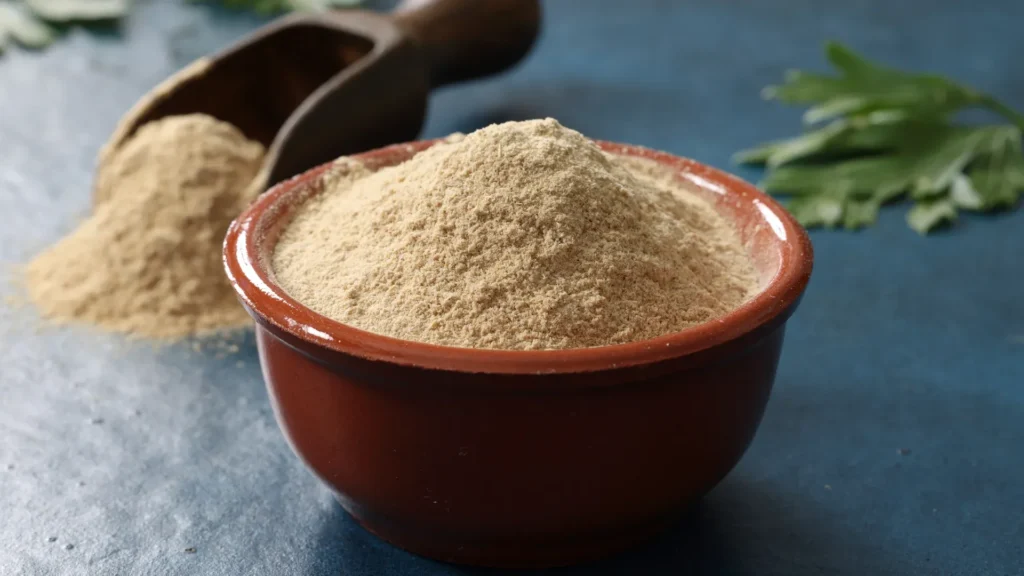
- Magnolia bark (like GutClear)
- Wormwood
- Calendula
- Grapefruit seed extract
Fiber-Rich Foods
- Flaxseeds
- Chia seeds
Fermented Foods
- Sauerkraut (if well tolerated)
Can Probiotics Help with SIFO?
Traditional bacterial probiotics (such as Lactobacillus species) may worsen SIBO in some individuals. If upper gastrointestinal motility is impaired, these bacteria may colonize the small intestine, ferment carbohydrates, and potentially contribute to symptoms such as significant bloating, excessive gas, and brain fog.
How do you choose the right probiotic for SIFO?
There is no single probiotic that is right for everyone with SIFO. The best choice should be based on individual symptoms, medical history, and guidance from a healthcare professional.
Type of Probiotic | Potential Role in SIFO | Things to Consider |
Saccharomyces boulardii (probiotic yeast) | Can, possibly compete with Candida and affect biofilms. | Latest research shows that additional supply of microbes to the small intestine in SIBO is not beneficial in itself. |
Spore-forming probiotics (soil-based bacteria) | Could possibly compete with Candida. | It is sometimes used when SIFO occurs together with SIBO, however, further research is needed as recent findings show that an additional supply of microbes to the small intestine is not beneficial in SIBO itself. |
Traditional bacterial probiotics (e.g., Lactobacillus and Bifidobacterium) | At best, it can support microbiome balance in the large intestine. | Some people with SIBO or impaired small intestinal motility may experience increased bloating, gas, or discomfort. The effect varies between individuals. |
More research is needed to determine whether probiotic strategies are effective for SIFO.
How is SIFO treated?
Treating Small Intestinal Fungal Overgrowth (SIFO) requires an approach that reduces fungal overgrowth while addressing the underlying impairment in gut motility.
Treatment options may include:
Antifungal medications: Healthcare providers often prescribe systemic fluconazole or locally acting nystatin to target and reduce yeast overgrowth.
Herbal antimicrobials: Natural compounds such as oregano oil, berberine, and caprylic acid are commonly used to help disrupt fungal biofilms.
Dietary modifications: Reducing refined sugar, simple carbohydrates, and alcohol may help limit the nutrients that support Candida overgrowth.
GutClear® from Gutfeeling Labs is a plant-based botanical supplement that may also be considered. Although it was originally developed to support microbial balance in the small intestine, it may be relevant in cases of SIFO as well. It contains magnolia bark, which has naturally balancing properties against yeasts such as Candida without affecting the beneficial microbiome of the large intestine.