



Can digestive problems affect your energy? Yes, the gut and digestive system can be part of the explanation for low energy. The gastrointestinal tract plays a central role in digestion and the absorption of nutrients. Therefore, digestive problems may be relevant to consider if you often feel tired or lacking in energy.
At the same time, tiredness can have many other causes, such as insufficient sleep, stress, nutritional deficiencies or illness. That is why it is important to look at the bigger picture.
Why can the gut affect your energy?
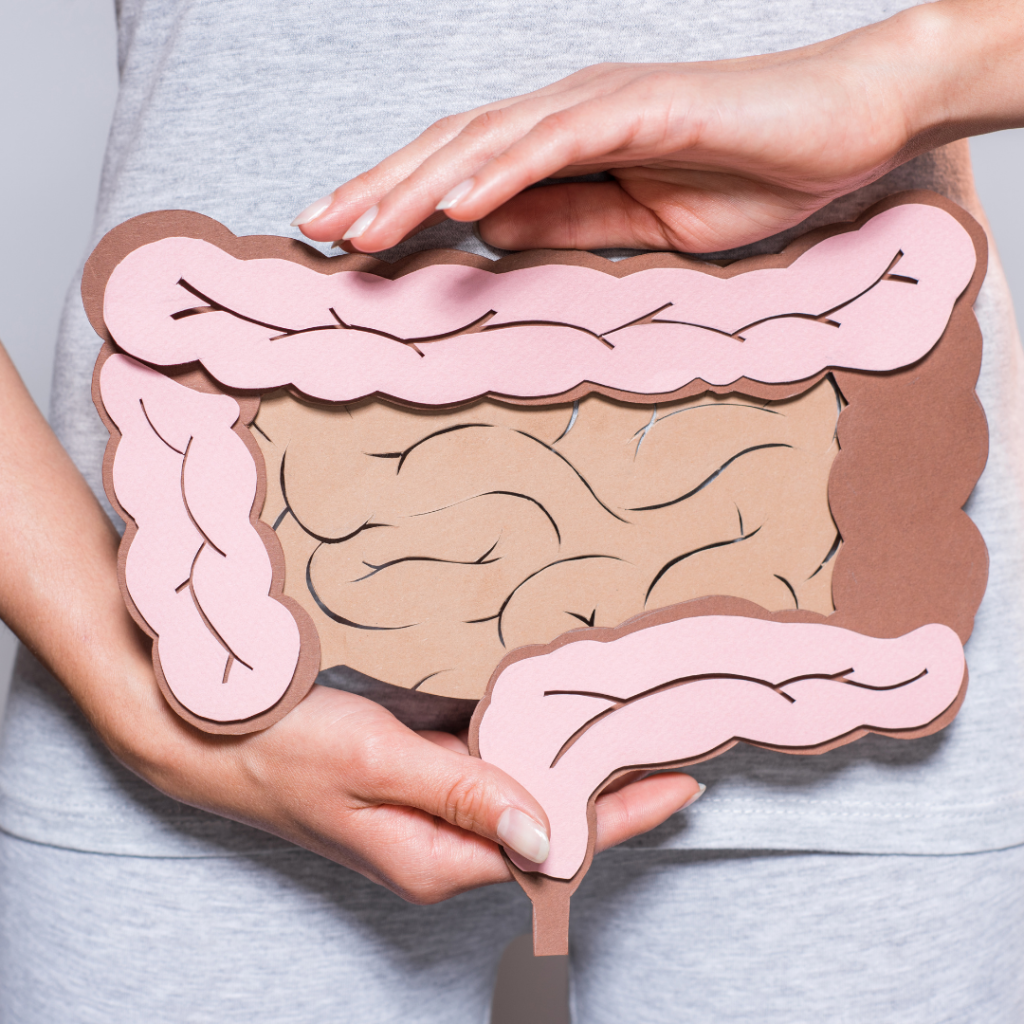
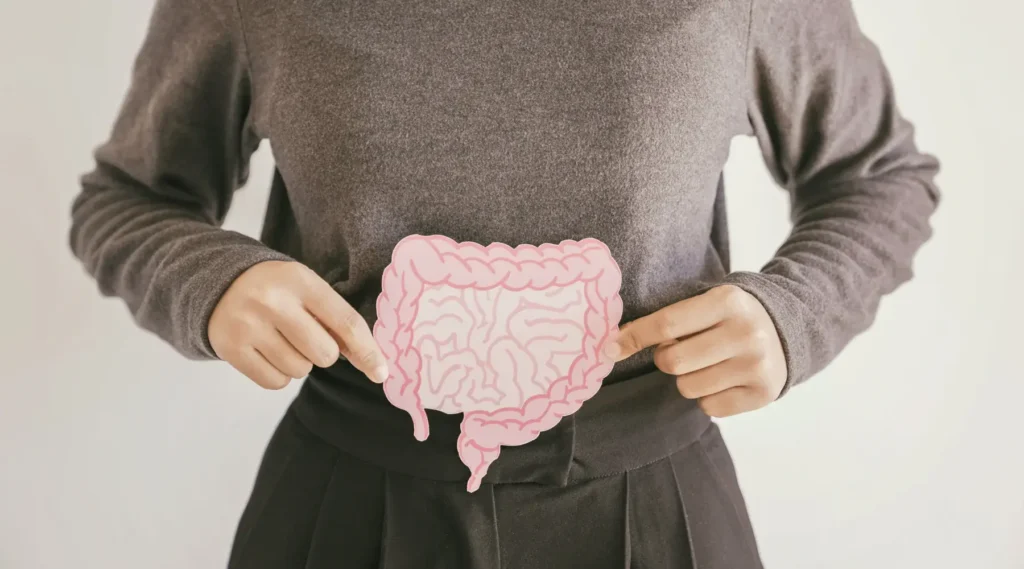
The gastrointestinal tract has several important functions. It breaks down food, helps the body absorb nutrients and is closely connected to the nervous and immune systems, among others.
If digestion or nutrient absorption is affected, it may therefore be relevant to consider your digestive health when tiredness keeps recurring.
This does not mean that tiredness is always caused by the gut. However, if low energy occurs together with recurring digestive problems, it may be worth investigating whether there is a connection.
Can digestive problems cause tiredness?
Digestive problems can sometimes be associated with tiredness, but the connection depends on what is causing the symptoms.
Conditions that affect digestion or the body’s ability to make use of nutrients may be relevant when investigating long-term tiredness. Small intestinal bacterial overgrowth (SIBO), as well as changes in the gut microbiota, are examples of areas that may be worth investigating when digestive symptoms and low energy occur at the same time.
However, it is not possible to say that SIBO or other digestive problems automatically cause tiredness. Tiredness can have many possible causes.
Can nutritional deficiencies make you tired?
Yes. Deficiencies in certain nutrients can contribute to tiredness and lack of energy. Iron deficiency is one example of a possible cause of tiredness, and other nutrition-related factors can also affect how the body functions.
It is therefore important to distinguish between eating nutritious food and the body actually being able to absorb and use those nutrients.
If you have recurring digestive problems, it may be relevant to discuss your symptoms and any possible nutritional deficiencies with a healthcare professional. If you have low haemoglobin levels, you should always contact your healthcare provider for further assessment.
Why am I tired after eating?
Feeling tired after a meal does not necessarily mean that something is wrong with your digestive system. It can be a normal response and may be influenced by what and how much you have eaten.
However, if tiredness after meals occurs repeatedly and is accompanied by symptoms such as bloating, gas, changes in bowel habits or other digestive problems, it may be useful to pay attention to the pattern.
Writing down what you eat, when symptoms occur and which symptoms you experience can make it easier to identify recurring patterns.
SIBO and tiredness – is there a connection?
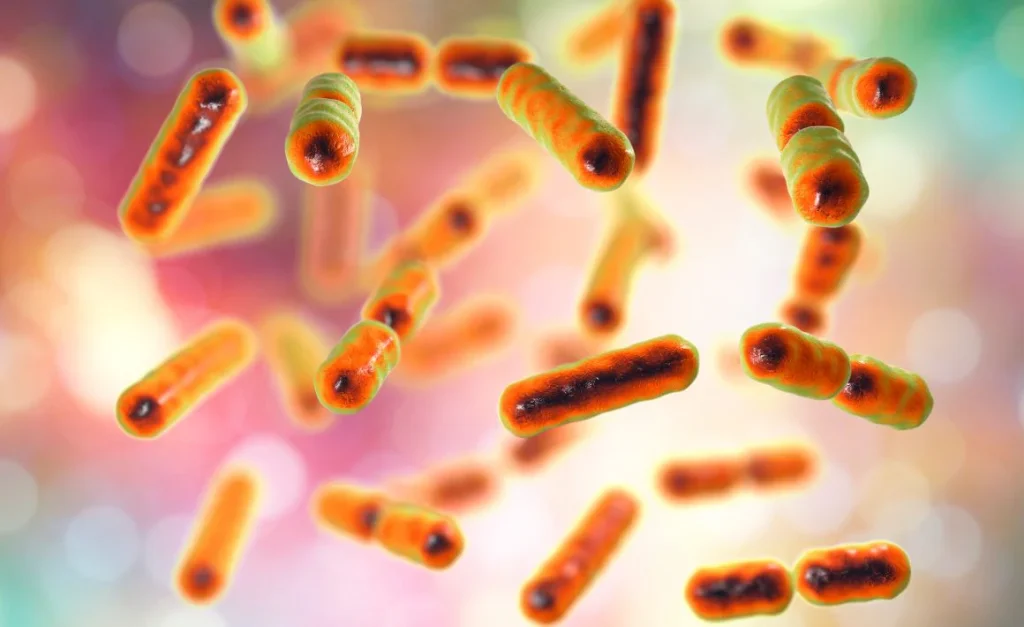
SIBO means that there is an overgrowth of bacteria in the small intestine.
SIBO is primarily associated with gastrointestinal symptoms such as bloating, gas, abdominal pain and changes in bowel habits. If you also experience unusual or recurring tiredness, it may therefore be relevant to consider your overall symptom picture rather than assuming that tiredness has a single cause.
If you suspect SIBO or have long-term digestive problems, you can learn more about options for investigating your symptoms – Four-in-One Test.
Always tired? The gut is only one possible part of the explanation
It is easy to connect long-term tiredness to a single factor, but tiredness can have many different causes.
Common causes may include:
- insufficient or poor-quality sleep
- long-term stress or high levels of strain
- nutritional deficiencies
- infection or illness
- certain medications
- other factors that affect the body’s recovery
If your tiredness persists, gets worse or affects your everyday life, you can consider using the Four-in-One Test to investigate possible causes. (link to test)
What can you do if you often feel tired?
Start by looking at the bigger picture:
- Prioritize regular and sufficient sleep.
- Eat a varied and regular diet.
- Make sure you drink enough fluids.
- Stay physically active according to your individual circumstances.
- Pay attention to whether tiredness occurs together with digestive symptoms.
- Note whether certain meals or foods repeatedly coincide with your symptoms.
If you have both recurring digestive problems and low energy, it may be relevant to investigate your gastrointestinal health further.
When should you seek medical care for tiredness?
Contact a healthcare centre if your tiredness persists for several weeks, gets worse or is severe enough to affect your everyday life. The same applies if you have other symptoms that concern you.
Long-term tiredness should not automatically be attributed to the gut microbiota or digestive problems. A medical assessment can help identify other possible causes.
Can a test provide more information about your gut?
If you have recurring digestive problems and want to understand more about your gut health, a test can be one way to obtain more information about specific aspects of the digestive system.
At Gutfeeling Labs, we offer tests that examine areas including SIBO, intestinal permeability (leaky gut), TMAO and ImP. The results can provide more information about the areas analysed by the test and serve as a basis for better understanding your digestive symptoms.
However, a test cannot determine the cause of general tiredness. If you experience long-term or severe tiredness, you should always consider other possible causes and, when needed, contact a healthcare professional.