




There is no single supplement that is right for everyone. Multivitamins, omega-3, vitamin D, calcium, iron, folic acid, B12, zinc and magnesium can all be relevant in different situations, but individual needs vary. If you have IBS, SIBO or recurring gastrointestinal symptoms, the question can become more complex. Nutritional deficiencies can occur with SIBO, while gastrointestinal symptoms can have many different causes. Therefore, it is wise not only to ask “Which supplement should I take?” but also “Why do I need it and how does my body react?” A good starting point is to view diet, lifestyle, the gut environment and any supplements as parts of the same bigger picture.
When you walk into a health store looking for supplements to support your health, it can feel like entering a jungle. There are vitamins, minerals, fatty acids, herbs and many other supplements – but what do you actually need?
The need for supplements varies from person to person and is influenced by dietary habits, lifestyle and individual needs. Some people may benefit from a supplement to meet a confirmed or possible nutritional need, while others get enough nutrients through their diet.
In this article, we go through some common supplements and what may be worth considering – especially if you also experience issues such as IBS, SIBO or leaky gut.
Which vitamins and supplements are common?
There are many different supplements on the market. Some of the most common include:
Supplement | What it may contribute to |
Multivitamins and minerals | Can complement the diet if you have a limited or restricted diet. |
Omega-3 | Contributes, among other things, to the normal function of the heart and has been studied for its biological effects. |
Vitamin D | Important for, among other things, normal bones and the normal function of the immune system. |
Calcium | Needed for normal bones, teeth, muscle function and blood clotting. |
Probiotics | May influence the composition and function of microorganisms in the gut. |
Iron | Needed, among other things, for normal oxygen transport and can be important in cases of iron deficiency. |
Folic acid | Important, among other things, before and during pregnancy. |
Vitamin B12 | Needed, among other things, for the normal function of the nervous system and the formation of red blood cells. |
Zinc | Contributes, among other things, to the normal function of the immune system and normal wound healing. |
Magnesium | Needed, among other things, for normal muscle and nerve function. |
Does everyone need to take multivitamins?
No. A multivitamin supplement is not automatically necessary for everyone.
It may be relevant if your diet is limited or if, for some reason, you have difficulty getting enough of certain nutrients. However, a supplement should not replace a varied diet.
Which supplements you need depends on your individual circumstances.
When can supplements be particularly relevant?
Some nutrients may be especially important in specific situations.
Vitamin D is relevant for people who have limited exposure to sunlight.
Iron can be important in cases of confirmed iron deficiency and for some people who have an increased risk of deficiency.
Vitamin B12 is particularly relevant for people who eat a completely or predominantly plant-based diet, as the vitamin is naturally found mainly in animal-based foods.
Folic acid is particularly important for women who are planning to become pregnant and during pregnancy.
If you suspect a nutritional deficiency, it is better to try to identify what you actually need rather than taking many different supplements at random.
How should you think about supplements if you have IBS, SIBO or leaky gut?
Here, the question becomes more complex.
With SIBO (Small Intestinal Bacterial Overgrowth), there is an increased amount of bacteria in the small intestine. SIBO can occur together with various gastrointestinal symptoms and, in some cases, may also affect nutrient absorption.
Nutritional deficiencies have been observed in pronounced SIBO. This means that questions about diet and supplements may need to be assessed individually.
Can supplements make SIBO worse?
There is a theory that certain nutrients may affect bacteria in the small intestine, but this does not mean that all supplements automatically make SIBO worse.
If you experience recurring gastrointestinal symptoms and are also taking several different supplements, it may therefore be worth reviewing what you are taking, why you are taking it and how your gut reacts.
Instead of adding more and more supplements, it may be more relevant to first try to understand what is behind your symptoms.
What can you do if you suspect SIBO?
If you experience recurring bloating, gas, diarrhoea, constipation or other gastrointestinal symptoms, SIBO may be one possible explanation, but these symptoms are not specific to SIBO.
Gutfeeling Labs therefore recommends first trying to understand your gut environment and identify possible causes of your symptoms. This can, for example, be done with the Gutfeeling Labs urine test for SIBO, leaky gut and microbial metabolites and risk factors.
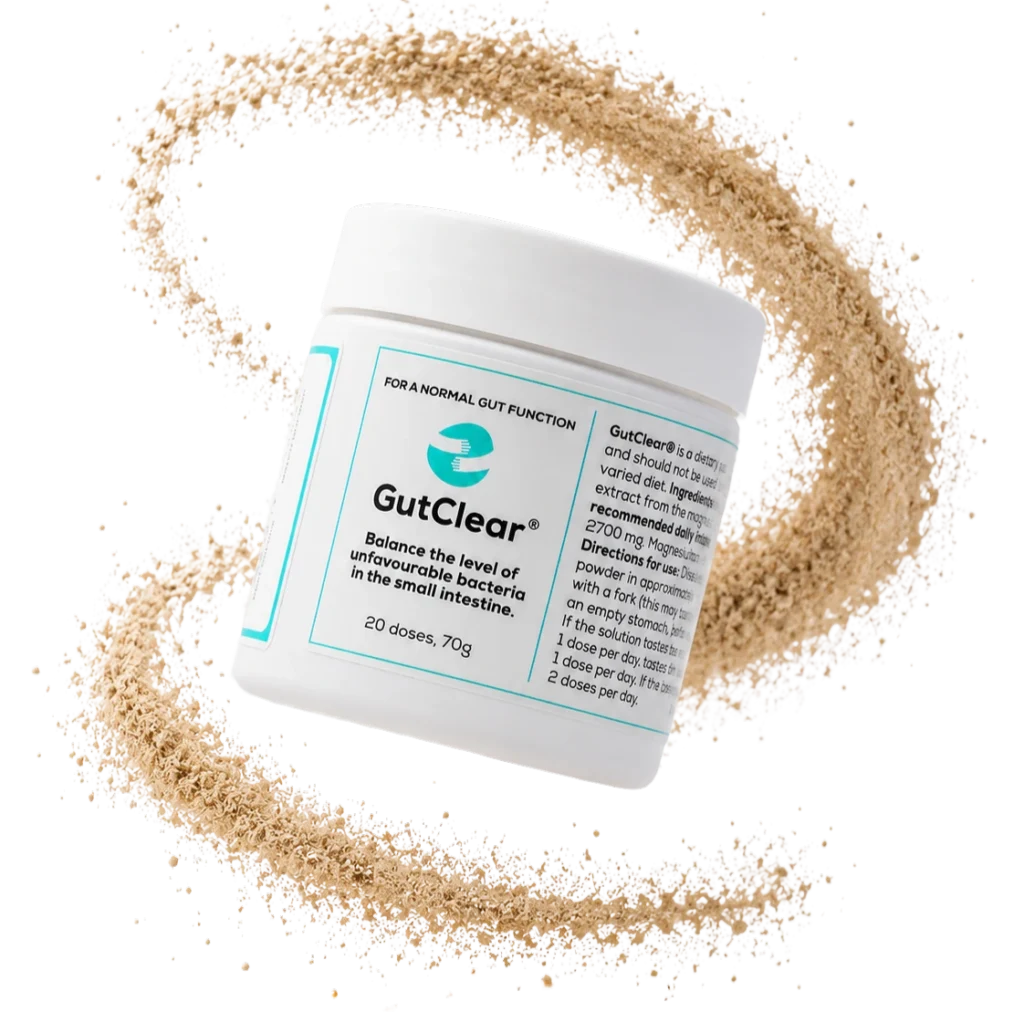
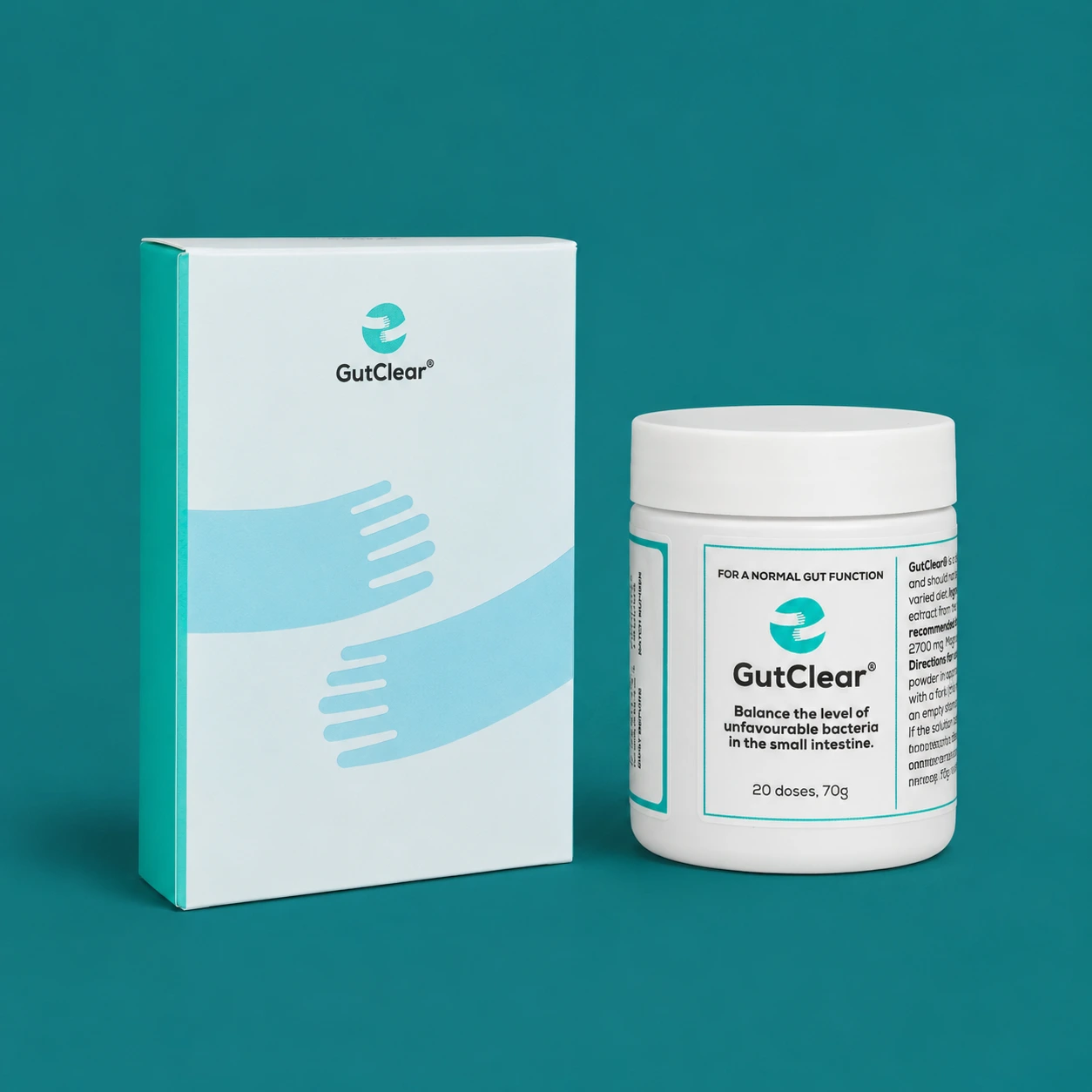
GutClear®
GutClear® is a plant-based supplement developed by Gutfeeling Labs with a focus on the microbial environment in the small intestine.
If you suspect SIBO or experience recurring gastrointestinal symptoms, it is important to remember that supplements do not replace medical assessment when such assessment is needed.
What can you consider besides supplements?
Supplements are only one part of the bigger picture. Everyday habits can also influence gastrointestinal function.
Some areas that may be worth reviewing include:
Habit | Why it may be relevant |
Regular meals | Creates a clearer rhythm in everyday life. |
Avoid constant snacking | Can allow for longer breaks between meals. |
Movement | Physical activity supports normal bowel function. |
Stress management | The gut and brain communicate through what is known as the gut-brain axis. |
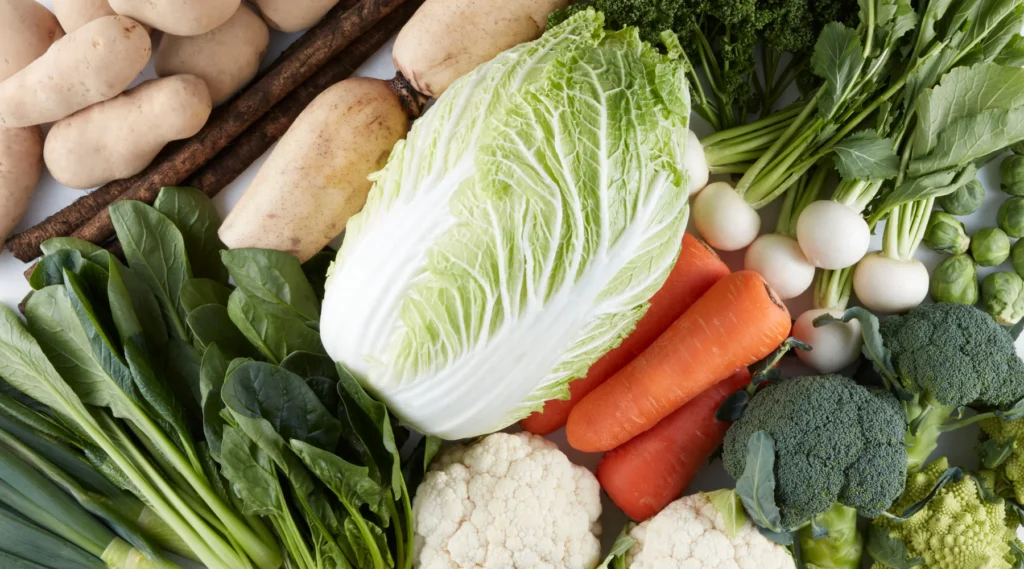
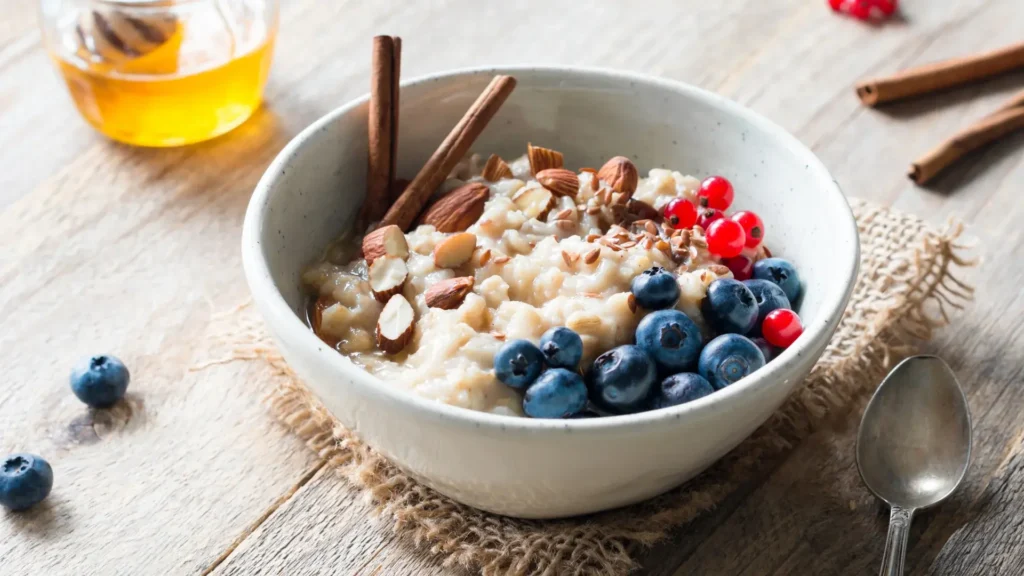
Varied diet | Provides different nutrients and types of fibre. |
Mindfulness and other forms of stress management can also be a way to create more calm in everyday life. Since stress can affect communication between the brain and gastrointestinal tract, it is relevant to consider your whole lifestyle, not just individual supplements.
What can you take after a period with GutClear®?
After working on your gut environment, the next step may be to focus on creating sustainable habits and meeting your body’s nutritional needs.
Depending on individual needs, different supplements may be relevant. Examples that are often discussed include:
- Ashwagandha – a plant traditionally used in connection with stress and recovery.
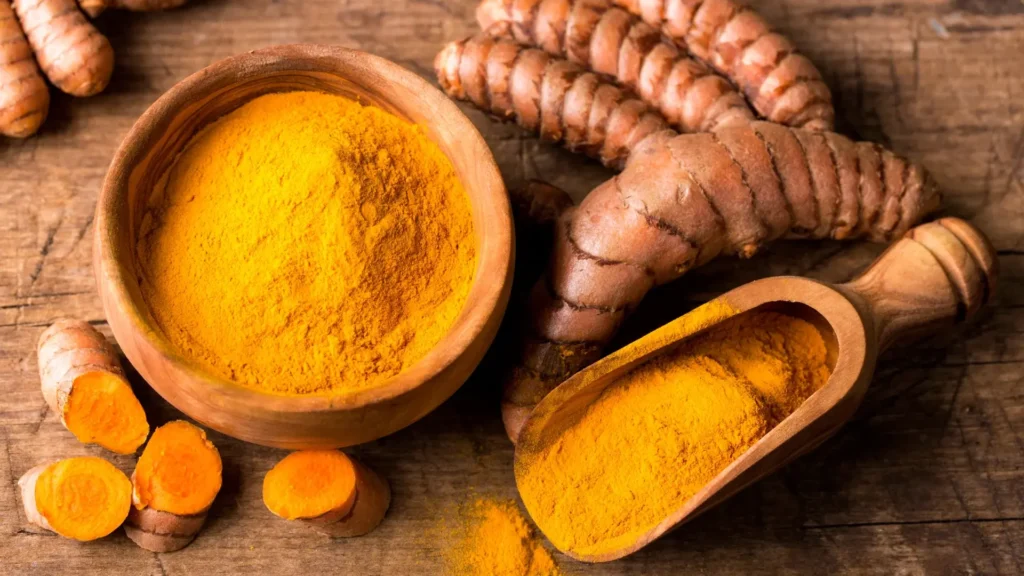
- Curcumin – a bioactive component of turmeric that has been studied for its antioxidant and anti-inflammatory properties.
- Vitamins and minerals – when there is a need to complement the diet.
However, it is not necessary to take many different supplements. More is not always better.
How to choose the right supplement
When faced with a large selection of vitamins and supplements, you can start with four simple questions:
- Why do I want to take this supplement?
- Am I already getting enough through my diet?
- Do I have a confirmed or suspected need?
- How does my body react to the supplement?
It can be more valuable to choose a few supplements based on a clear need rather than taking many different products at the same time.